 Bellingham Siding
 Ferndale's Climate Puts Real Demands on Siding
Ferndale sits close enough to the Salish Sea that salt-laden air is a regular part of the weather mix, and that's on top of the rain, wind, and long gray stretches that define a Whatcom County winter. Siding here isn't just a cosmetic layer — it's the thing standing between your framing and a combination of moisture, salt, and organic growth that doesn't let up for months at a time.
Three factors do most of the damage over time: driving rain that gets pushed sideways into wall assemblies during winter storms, salt air that accelerates corrosion on fasteners and finishes that aren't built for it, and a moss season that can stretch from fall through spring on shaded or north-facing walls. None of these are dramatic on their own, but stacked together year after year, they expose the difference between a siding job done to spec and one that was just nailed up.
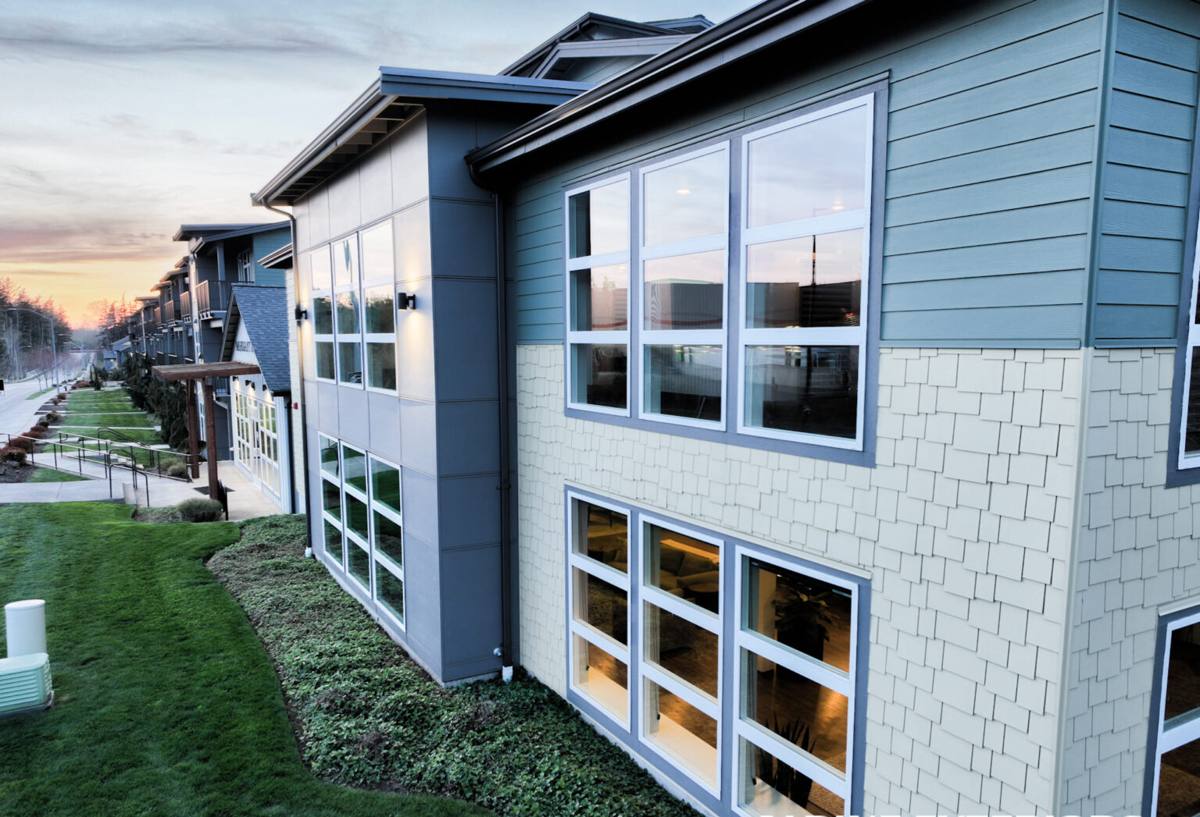
What a Correct Siding Installation Actually Involves
A siding installation is a system, not just a product. The board or panel you see is the last piece — everything underneath it is what determines whether the wall stays dry and the siding lasts as long as it's supposed to.
Water Management Comes First
Before any siding goes up, the wall needs a properly lapped weather-resistive barrier, correctly integrated flashing at every window, door, and penetration, and a drainage plane that gives incidental moisture somewhere to go besides into the sheathing. In a climate that sees as much driving rain as Ferndale does, this layer matters more than the finish color or texture people usually focus on.
Fastening and Clearances
Fastener type, spacing, and placement all affect long-term performance — especially with salt air in the mix, where the wrong fastener can corrode and stain the face of the siding years before the material itself would have failed. Proper clearance from grade, decks, roof lines, and other transitions is also a big part of keeping water from tracking behind the siding rather than off of it.
Joints, Caulking, and Finish Details
Butt joints, trim intersections, and caulking choices are where a lot of amateur and rushed jobs fail first. These are also the details that are hardest to fix later without pulling siding back off, which is why they need to be right the first time.
How Our Process Works
We keep the process straightforward because homeowners deserve to know what's happening to their house and why.
- Walkthrough and assessment — we look at your current siding, trim, and any moisture or rot signs, and talk through what your home actually needs.
- Written estimate — a clear scope of work and pricing, no vague allowances.
- Prep and tear-off — removal of old siding, inspection of sheathing, and repair of any damaged framing before anything new goes up.
- Weather barrier and flashing — the water-management layer gets installed and inspected before siding covers it up.
- Siding installation — installed to manufacturer specification, with attention to fastening, clearances, and joint placement.
- Trim, caulking, and paint touch-up — finish work that protects the edges and transitions where most future problems start.
- Final walkthrough — we go over the finished work with you before calling the job done.
Why We Install James Hardie Only
We standardized on James Hardie fiber cement siding and don't install vinyl, LP SmartSide, Cemplank, Allura, primed spruce, or cedar. That's not a marketing position — it's a decision based on what actually holds up in this climate over decades, not just the first few years.
Non-Combustible and Dimensionally Stable
Fiber cement doesn't expand and contract with moisture and temperature the way wood-based or vinyl products can, which matters in a region that swings between soaked winters and dry summer stretches. It's also non-combustible, which is a real consideration for long-term home protection regardless of what triggered your siding search.
ColorPlus Factory Finish
Hardie's ColorPlus finish is baked on at the factory under controlled conditions, which gives it better fade and chip resistance than field-applied paint. In an area where salt air can be tough on finishes, that factory-cured coating holds up longer with less touch-up maintenance.
Climate-Engineered HZ Product Lines
Hardie's HZ10 line is engineered specifically for cold, wet climates like ours, which affects everything from moisture resistance to how the product is formulated to handle freeze-thaw cycling. That's a meaningful difference from a one-size-fits-all product sold the same way in every region of the country.
Warranty That Transfers
Hardie backs its siding with a strong, transferable warranty — a real asset if you ever sell the home, since it hands the protection to the next owner rather than expiring with the original purchase.
Why We Don't Install the Alternatives
We get asked about vinyl, LP SmartSide, and other fiber cement brands often enough that it's worth being direct about our reasoning rather than dodging the question.
Vinyl is inexpensive and easy to install, but it's a petroleum-based product that can warp in heat, crack in cold, and fade over time — and it's not something we can stand behind for the lifespan homeowners here are typically looking for. Engineered wood products like LP SmartSide perform reasonably well when maintained perfectly, but they're wood-based at their core, and wood-based siding in a climate with this much sustained moisture and moss pressure carries a maintenance burden we don't think is fair to hand a homeowner without saying so plainly. Other fiber cement brands may be reasonable products, but we've built our installation knowledge, warranty relationships, and crew training around one system, and we'd rather be excellent at installing one product correctly than adequate at installing several.
Moss, Shade, and Ferndale's Long Wet Season
Moss growth on siding is mostly a function of shade, moisture retention, and how much organic debris collects against a wall — and Ferndale's tree cover and long damp season give moss plenty of time to establish itself on north- and east-facing walls in particular. Correct installation helps here too: proper clearance from grade and landscaping, functioning gutters that don't dump water down a wall face, and trim details that don't trap moisture all reduce how much of a foothold moss gets in the first place.
No siding product is moss-proof, but a factory-finished fiber cement surface is easier to clean without damaging the finish than painted wood, and it won't absorb moisture the way wood-based products can once moss or algae take hold.
Signs Your Ferndale Home May Need New Siding
- Visible warping, buckling, or gaps between siding boards or panels
- Soft spots when you press on the siding or the trim around windows and doors
- Persistent moss or dark staining that comes back quickly after cleaning
- Paint that's peeling, bubbling, or needing repainting far more often than it used to
- Rising energy bills that suggest the wall assembly isn't insulating or sealing the way it should
- Visible rot, especially near ground level, deck ledgers, or roof-to-wall transitions
Cost Factors to Expect
Every home is different, but these are the main variables that move a siding project's price up or down:
| Factor | Why It Matters |
|---|---|
| Home size and wall complexity | More square footage and more corners, gables, and trim details mean more labor and material |
| Extent of tear-off and repair | Rotted sheathing or framing found during tear-off adds cost but shouldn't be skipped |
| Siding profile and accessories | Lap width, trim style, and corner details affect both material cost and installation time |
| Access and site conditions | Multi-story walls, tight lot lines, or landscaping obstacles can add labor time |
| Existing water damage | Homes with a history of moisture intrusion may need more extensive prep before siding goes on |
We give a written, itemized estimate after seeing your home in person — not a phone-quote guess — so you know what you're actually paying for.
Why Hiring a Crew That Already Works in Ferndale Matters
Siding crews that mostly work elsewhere in the region don't always account for how much salt air, wind exposure, and moss pressure vary block to block in Whatcom County. A crew that regularly works Ferndale and the surrounding areas has already seen how local homes age, which wall orientations take the worst weather, and where corners tend to get cut on older installations. That local pattern recognition shows up in the details — flashing choices, fastener selection, clearance decisions — that don't show up on a spec sheet but matter enormously over twenty or thirty years.
It also means faster response if something needs a look after the job is done, and a crew that's still local and reachable years down the road rather than having moved on to other regions entirely.
Maintenance After Installation
James Hardie siding is low-maintenance, not no-maintenance. A periodic rinse to clear pollen, dust, and organic buildup keeps the ColorPlus finish looking right, and an annual walk-around to check caulking at trim joints and penetrations catches small issues before they become expensive ones. Keeping gutters clear and landscaping trimmed back from the walls goes a long way toward keeping moss and moisture pressure down in a climate that gives both plenty of opportunity to take hold.
If you're weighing a siding replacement in Ferndale, we're happy to take a look at your home and walk you through what we'd recommend and why. The estimate is free, there's no pressure, and you can use the form below to get started.