 Bellingham Siding
 The Climate We're Actually Building Against
Bellingham sits where Puget Sound weather meets the base of the Cascades, and that combination is harder on exterior siding than most homeowners realize until they're dealing with the results. Salt-laden air off Bellingham Bay works its way into fastener heads and cut edges. Driving rain off the water hits walls sideways during winter storms, not just straight down. And Whatcom County's long, damp shoulder seasons — spring and fall especially — create a moss and algae season that can run eight months or more on north- and west-facing walls that don't get direct sun.
None of that is exotic. It's just relentless. Siding here doesn't fail from one dramatic event — it fails slowly, from years of moisture cycling through a material that wasn't built to handle it, or from a coating that couldn't hold up to UV and damp cycling at the same time. That slow failure is what shapes how we think about materials, and it's the reason our crews only install one type of siding today.
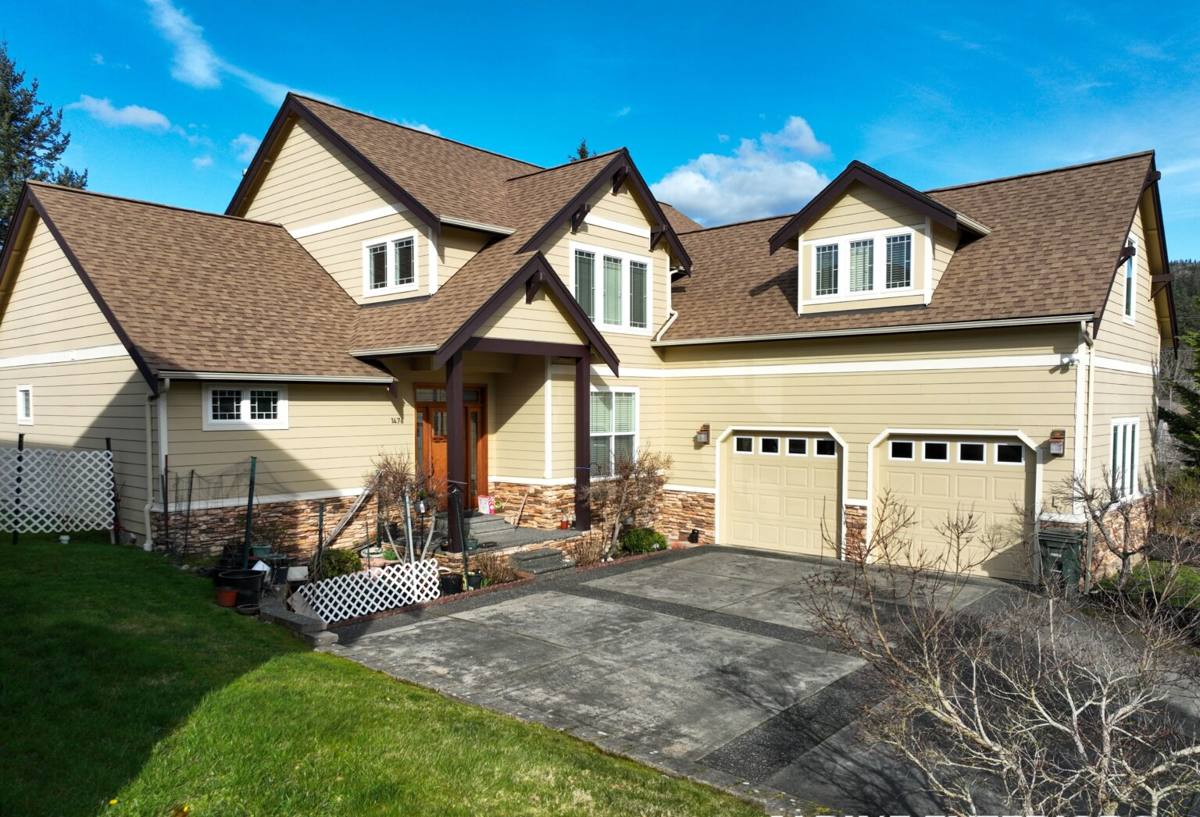
Why We Stopped Installing Everything Except James Hardie
What We Used to Install
Like most siding contractors in this region, we used to install a mix of products — vinyl for budget jobs, primed wood or engineered wood on some remodels, and fiber cement when a customer asked for it specifically. Each product had its place, and each one worked fine on the day it went up.
What Changed Our Minds
The problems showed up years later, on callbacks and on homes we didn't originally install but got asked to repair or replace. Vinyl that had warped or faded unevenly on south-facing walls. Engineered wood siding with edge swelling where caulking had failed and moisture got into the substrate. Primed wood that needed repainting on a cycle most homeowners didn't want to keep up with. None of these were installation failures — they were the products behaving the way fiber-based and vinyl siding tends to behave in a wet marine climate over a long enough timeline.
We made the call to install only James Hardie fiber cement going forward. It's not that other products are worthless everywhere — it's that in Bellingham's specific mix of salt air, driving rain, and moss season, we stopped being willing to put our name behind materials we knew would need more from the homeowner down the road than we were comfortable promising.
How Fiber Cement Actually Performs Here
Moisture and Rot Resistance
James Hardie siding is fiber cement — a mix of cellulose fiber, sand, and Portland cement. It doesn't rot, and it doesn't absorb water the way wood-based products can. That matters directly in a climate where siding stays damp for days at a stretch during our wet months. Water sitting against a wall for a week in November behaves very differently against fiber cement than it does against a wood-based composite.
Moss and Algae Resistance
Moss and algae need organic material to feed on. Fiber cement doesn't give them one, which is a real advantage on the shaded, north-facing walls that show the worst moss growth in this area. It's not moss-proof — nothing that sits outside in Whatcom County for years is fully immune to growth — but it doesn't break down the way organic siding materials can under sustained moss and moisture exposure.
Fire and Impact Resistance
Fiber cement is non-combustible, which matters more each year as wildfire smoke and ember exposure become a bigger part of Pacific Northwest summers, even this far north and this close to the water. It also holds up better to impact than vinyl, which can crack in cold weather from a stray branch or a ladder bump.
The ColorPlus Factory Finish
A lot of the long-term performance conversation around siding actually comes down to the paint, not the substrate. Field-painted siding depends on weather conditions during installation, the quality of the paint job, and how well the homeowner keeps up with repainting. James Hardie's ColorPlus finish is baked on in a factory under controlled conditions, using a multi-coat process designed specifically for fiber cement.
The practical result for a Bellingham home is a finish that resists fading and chipping better than field-applied paint, and a color that's consistent panel to panel because it wasn't mixed and applied on-site in whatever weather showed up that week. It also comes with its own finish warranty, separate from the substrate warranty, which we'll get into below.
James Hardie Product Lines We Install
James Hardie makes several distinct product lines, and we select from them based on the style of the home, the wall exposure, and the specific climate zone rating. The company engineers its products by region — HZ5 and HZ10 formulations are tuned for different combinations of moisture and freeze-thaw exposure, and the Pacific Northwest falls under the wetter, more moisture-focused engineering.
| Product Line | Typical Use | Why We Spec It |
|---|---|---|
| HardiePlank Lap Siding | Most full-home siding jobs | Traditional lap look, widest color and texture selection |
| HardieShingle | Accent gables, Craftsman-style homes | Staggered or straight-edge shingle profile without the moisture concerns of wood shingle |
| HardiePanel | Modern builds, board-and-batten accents | Clean vertical lines for contemporary designs |
| HardieTrim | Corners, fascia, window and door trim | Matches the siding's durability so trim doesn't become the weak point |
What Correct Installation Actually Involves
Fiber cement is not a forgiving material to install incorrectly, and this is where a lot of the horror stories about "fiber cement failures" actually originate — not from the product, but from installation shortcuts. James Hardie is explicit about nailing patterns, clearances, and flashing details, and skipping them is what causes the moisture problems the material is otherwise built to avoid.
- Minimum 1/4-inch clearance between the bottom of the siding and roofing, decking, or paved surfaces
- Proper weather-resistive barrier installed and lapped correctly behind the siding
- Flashing installed at every horizontal joint, window head, and roof-to-wall intersection
- Fasteners driven flush, not overdriven, with the correct nail type and spacing for the exposure zone
- Butt joints properly sealed or backed with flashing, not just caulked and left
- Kick-out flashing at rooflines where water would otherwise run behind the siding
Any one of these skipped on a job can undercut everything the material is engineered to do. It's a big part of why we treat installation training as seriously as material selection — the two aren't separable in terms of end performance.
The Warranty Difference
James Hardie backs its fiber cement products with a non-prorated limited transferable warranty, and the ColorPlus finish carries its own separate finish warranty covering fade and chip resistance. Transferability matters more than most homeowners think about at the time of installation — if you sell your home within the warranty period, that coverage can follow the house, which is a real selling point in a market where buyers are increasingly asking pointed questions about siding age and condition.
Warranty coverage is also contingent on installation meeting the manufacturer's specifications, which is another reason installation quality and warranty protection aren't really two separate topics — they're the same conversation.
Cost Factors on a Bellingham Siding Project
We don't publish flat per-square-foot pricing because the real cost drivers vary too much house to house, but these are the factors that consistently move a quote up or down:
| Factor | Effect on Cost |
|---|---|
| Existing siding tear-off vs. new construction | Tear-off adds labor and disposal cost |
| Wall complexity (gables, dormers, cutouts) | More cuts and trim work increase labor time |
| Extent of sheathing or moisture damage found underneath | Repairs are priced separately once walls are opened |
| Product line and profile selected | Shingle and panel styles typically run higher than standard lap |
| Trim and accent detail | Custom trim work adds material and install time |
The only way to get real numbers is a walk-around of your specific home, which is what our estimate visits are for.
Is James Hardie the Right Call for Every Bellingham Home?
We think so for full re-sides in this climate, which is why it's the only product we install. That said, an honest conversation about your project should still cover your home's specific exposure, your budget, and your timeline — a shaded, wind-protected wall in a newer neighborhood doesn't face the same conditions as an older home on an exposed lot closer to the water. We'll walk your home with you, point out what we see, and explain exactly why we'd spec the products we recommend.
If you're weighing a siding replacement or new build in Bellingham or elsewhere in Whatcom County, we're happy to come take a look and put together a straightforward, no-pressure estimate — no scare tactics, just an honest read on your home.