 Bellingham Siding
 Roof Repair for York Homes: What This Neighborhood Actually Needs
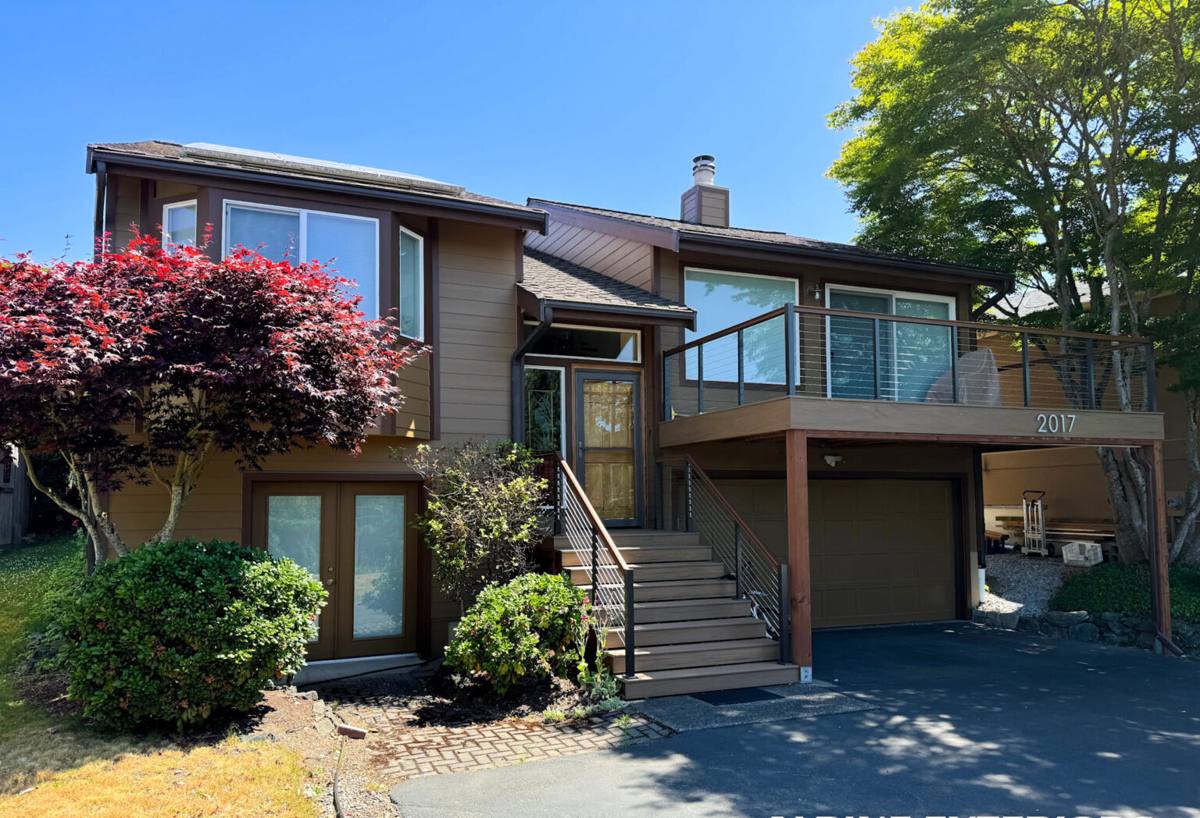
York is one of Bellingham's older, established neighborhoods, and that shows up on the roofs we get called out to. A lot of homes here have mature tree canopy overhead, roof lines that have been patched more than once over the decades, and a mix of original roofing alongside more recent overlays. That combination means a roof repair in York isn't always a simple shingle swap. It usually starts with figuring out what's actually going on underneath the surface problem the homeowner called about.
We work on roofs across Whatcom County, but York gets its own set of considerations: heavier shade from surrounding trees, slower drying times after storms, and roof decks that have been through more freeze-thaw and moisture cycles than a newer subdivision roof. None of that is a reason to panic — it's just context that changes how we diagnose and fix a problem correctly the first time.
How Bellingham's Climate Wears Down a Roof
Whatcom County sits right where marine air off the Puget Sound and Georgia Strait meets a wet, mild Pacific Northwest climate. That's good for gardens and bad for roofs. A few specific factors do most of the damage over time:
Salt Air
Bellingham's proximity to saltwater means metal roofing components — flashing, fasteners, gutter hardware, vent caps — corrode faster here than they would inland. Corrosion at flashing points is one of the most common causes of a slow, hidden leak, because the metal fails quietly long before a homeowner sees a stain on the ceiling.
Driving Rain
This isn't gentle, straight-down rain. Storms here frequently come in sideways, which pushes water up under shingle edges, into open laps, and behind poorly sealed flashing that would be fine in a calmer climate. Roofs built or repaired without that in mind tend to leak first at edges, valleys, and penetrations — not in the open field of the roof.
A Long Moss Season
Shade, moisture, and mild temperatures give moss a long growing window in Whatcom County — often most of the year on north-facing or heavily shaded slopes. Moss doesn't just look bad. It holds water against the roofing material, lifts shingle edges as it grows, and works its way under laps and around nail heads, creating entry points for water that wouldn't exist on a clean roof.
Common Roof Problems We Find in York
Because of the tree cover and age of housing stock in this area, the repair calls we get in York follow some clear patterns:
- Moss buildup on shaded slopes, especially north- and east-facing roof planes
- Corroded or lifted flashing around chimneys, dormers, and roof-to-wall transitions
- Granule loss and brittle shingles on older roofing that's past its expected service life
- Clogged or sagging gutters from constant leaf and needle drop, leading to water backing up under the roof edge
- Soft or discolored roof decking discovered once we get eyes on a slow leak
- Nail pops and lifted shingle tabs from wind-driven rain working under the surface over time
Most of these show up as small, specific symptoms — a damp patch in an attic, a stain near a chimney, moss creeping past a ridge line — long before they become a major problem. Catching them at that stage is what keeps a repair a repair, instead of turning into a full section replacement.
What a Correct Roof Repair Actually Involves
A roof repair done right isn't just about covering the spot where water is showing up inside the house. Water travels along the roof deck and rafters before it drips somewhere visible, so the visible stain and the actual entry point are often several feet apart. A proper repair process looks like this:
- Inspect the whole roof plane, not just the area near the interior damage, including flashing, valleys, and any roof penetrations (vents, chimneys, skylights)
- Trace the water path from the interior symptom back to the actual entry point, which may be uphill from where the damage shows
- Check the decking for soft spots or rot once the roofing material is pulled back, since damaged decking has to be addressed before new material goes down
- Replace or reseal flashing at the source rather than just caulking over a symptom, since caulk is a temporary fix, not a repair
- Match materials as closely as possible to the surrounding roof so the repair blends and performs consistently with the rest of the field
- Confirm proper water shedding at laps, valleys, and edges before calling the job finished
Skipping any of these steps is how a "repaired" roof ends up leaking again in the next heavy storm. We'd rather take the extra time to find the real cause than patch a symptom and have a homeowner call us back in six months.
Repair vs. Replacement: How We Help You Decide
Not every roof problem in York needs a full replacement, and not every roof can be reasonably repaired forever. We look at age, extent of damage, and how the roof has held up to this climate specifically to make an honest recommendation.
| Factor | Leans Toward Repair | Leans Toward Replacement |
|---|---|---|
| Roof age | Under roughly 15-20 years, depending on material | At or past expected material lifespan |
| Extent of damage | Isolated to one area, flashing, or a single penetration | Widespread granule loss, multiple leak points, or damage across several planes |
| Decking condition | Solid decking under the affected area | Soft, rotted, or delaminated decking found in multiple spots |
| Moss/algae history | Surface growth with no material breakdown yet | Long-term moss growth that has lifted or degraded shingles |
| Prior repairs | First or second repair on this roof | History of repeated patch jobs in the same areas |
We'll walk you through exactly which column your roof falls into and why, so the decision is based on the actual condition of the roof rather than a guess.
Our Process, Start to Finish
We keep the process straightforward because most homeowners just want to know what's wrong, what it'll take to fix, and what it costs — without a lot of runaround.
- Initial visit and inspection: we get on the roof, look at the attic if accessible, and identify the actual source of the problem
- Clear explanation: we show you what we found and explain what's causing it in plain language, no jargon
- Written estimate: a clear scope of work and price before anything gets touched
- The repair itself: matched materials, proper flashing work, and attention to the drainage and moss factors specific to this climate
- Cleanup and final check: site cleaned up, and a final look to confirm the fix addresses the actual cause, not just the symptom
Roof Maintenance Checklist for York Homeowners
A lot of repair calls can be avoided, or at least caught earlier and cheaper, with some basic seasonal attention. Given the moss season and tree cover common in this neighborhood, here's what we recommend homeowners keep an eye on between professional inspections:
- Clear gutters and downspouts at least twice a year, more often if you're under heavy tree cover
- Look for moss starting on shaded roof slopes and address it before it spreads across the whole plane
- Check for granules collecting in gutters, which signals shingle wear
- Watch for daylight or staining around chimneys, skylights, and vent pipes from inside the attic
- Trim back branches that overhang the roof to reduce shade, debris, and physical abrasion
- After major windstorms, do a visual check from the ground for lifted or missing shingles
- Don't ignore small interior stains — they're almost always smaller and cheaper to fix early
Why Hire a Crew That Already Works in York
Roofing problems in this part of Whatcom County follow patterns that aren't the same as roofing problems in a drier, sunnier climate. A crew that regularly works in and around York already knows to check flashing corrosion first given the salt air, to expect moss on the shaded slopes typical of this neighborhood's tree cover, and to look closely at how driving rain has affected valleys and edges rather than assuming a textbook leak pattern. That local pattern recognition shortens the diagnostic process and reduces the chance of a repair that misses the real cause.
It also means we're realistic about what materials and repair methods actually hold up here versus what looks good on paper. We'll give you our honest read on trade-offs — maintenance needs, moisture behavior, how a given material handles this climate long-term — rather than pushing whatever is easiest to install.
Get an Honest Look at Your Roof
If you're dealing with a leak, visible moss, or just want a second opinion on a roof that's showing its age, we're happy to come take a look. There's no pressure and no obligation — just a straightforward assessment from a crew that knows how York's climate treats a roof. Use the form below to request a free estimate.