 Bellingham Siding
 Windows Built for Silver Beach's Climate
Silver Beach sits close enough to the water that homes here take a different kind of weathering than houses further inland in Bellingham. Salt-laden air moves through the neighborhood, wind-driven rain hits window assemblies from angles that inland homes rarely see, and the long, damp stretch of fall through spring gives moss and algae months to establish themselves on anything that stays wet. None of that is unique to one house on one block — it is the baseline condition for the whole area, and it is why window replacement here needs to be approached differently than a straightforward swap-out job in a drier part of Whatcom County.
When we talk about "correct" window replacement in Silver Beach, we mean windows and installation details chosen specifically to hold up against that combination of moisture, salt exposure, and prolonged dampness — not just whatever unit happens to fit the rough opening.
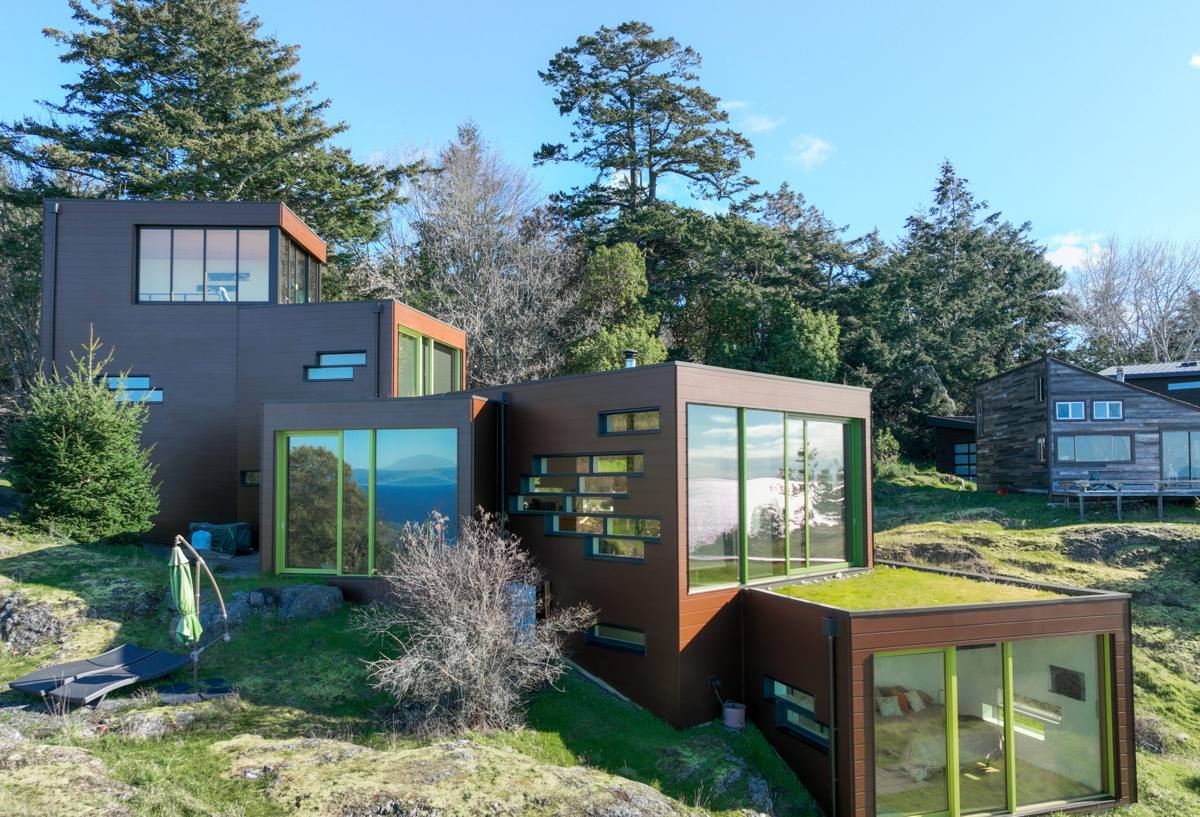
What Local Homes Actually Need From a Window Replacement
Most of the window failures we see in this part of Bellingham trace back to a handful of recurring issues, all tied to the local climate:
- Seal and gasket breakdown. Salt air accelerates the aging of rubber and vinyl seals, so gaskets that would last two decades elsewhere can start failing sooner here.
- Frame corrosion on lower-grade hardware. Cheaper aluminum components and unprotected fasteners corrode faster this close to salt air, which is one reason we're selective about the hardware we specify.
- Wood rot at sills and corners. Constant dampness plus limited drying time between rain events means any gap in the flashing or sealant becomes an entry point for water that doesn't fully dry out before the next system rolls through.
- Moss and algae staining. Northwest-facing and shaded openings in particular collect organic growth that traps moisture against the frame and finish.
- Condensation and fogging in older double-pane units, a sign the seal has already failed and moisture is trapped between the panes.
A window replacement that ignores these patterns — installing a good window with generic flashing details, for instance — will often look fine for a year or two and then start showing the same problems the old windows had.
Why "Just Swap the Window" Isn't Enough
The window unit itself is only part of the equation. The flashing, sill pan, sealant joints, and how the new window integrates with the existing wall assembly matter just as much, if not more, in a wet coastal climate. A high-end window installed with poor flashing details will leak. A modest window installed with correct flashing, proper sill pans, and quality sealant will often outperform it. We treat the water-management details as the real work; the window is what you see, but the flashing is what keeps the wall behind it dry for the next thirty years.
Choosing the Right Window Materials for This Location
We narrow material choices based on how they hold up specifically to salt exposure, rain volume, and the region's freeze-thaw swings (which are mild here compared to inland Washington, but still a factor in winter).
| Material | How It Handles Local Conditions | Maintenance Consideration |
|---|---|---|
| Vinyl | Doesn't corrode from salt air; performs well in sustained moisture; a solid baseline choice for most Silver Beach homes | Low maintenance; periodic cleaning to prevent grime and moss buildup in frame channels |
| Fiberglass | Very stable in temperature and moisture swings; strong resistance to warping from repeated wet-dry cycles | Low maintenance; higher upfront cost, longer expected service life |
| Clad wood (wood interior, protective exterior cladding) | Good option where a wood interior look is wanted; exterior cladding shields the wood from direct weather exposure | Interior wood may need attention over time; cladding integrity at joints is important to inspect periodically |
| Bare/unclad wood | Attractive but the least forgiving of sustained coastal moisture without diligent upkeep | Highest maintenance; we're honest with homeowners about this trade-off before they commit |
| Uncoated or lower-grade aluminum | Prone to corrosion and pitting from salt air over time | We generally steer homeowners away from this option for water-facing exposures in this neighborhood |
We're not selling one brand or material to every homeowner. What we're selling is a match between the material, the glazing package, and the specific exposure of that wall — a window facing prevailing wind and rain gets a different recommendation than one tucked under an eave on a protected side of the house.
Glazing and Glass Considerations
Double-pane, argon-filled units with a low-E coating are the practical standard for this climate — they cut heat loss during Bellingham's cool, wet winters and reduce solar gain in summer. For homes closer to the water, we also pay attention to seal quality on the insulated glass unit itself, since a failing seal shows up faster as fogging or condensation between the panes when the unit is exposed to more airborne salt and moisture cycling.
Our Window Replacement Process
The process is the same core sequence on every job, but the details we pay closest attention to are shaped by what this neighborhood's climate demands.
- On-site assessment. We look at existing window condition, sill and frame integrity, signs of past water intrusion, and each opening's specific sun/wind/rain exposure.
- Material and glazing recommendation. Based on that assessment, we recommend materials and glass packages suited to each opening — not a single blanket spec for the whole house.
- Removal and opening inspection. Once the old window is out, we inspect the rough opening, sill, and surrounding framing for rot or hidden moisture damage before anything new goes in. This is often where problems that weren't visible from outside get caught.
- Repair of any substrate damage. Any compromised wood or sheathing gets addressed before the new window is set — installing a new window over damaged framing just hides the problem.
- Sill pan and flashing installation. This is the step that determines whether the installation actually keeps water out long-term. Sill pans, proper flashing sequencing (so each layer sheds water over the one below it), and correct sealant placement are non-negotiable steps, not optional upgrades.
- Window setting and leveling. The unit is set plumb, level, and square, with shimming and fastening per manufacturer specification to preserve warranty coverage.
- Insulation and air sealing. The gap between the window frame and rough opening is properly insulated and air-sealed — important for comfort and energy performance, not just weatherproofing.
- Exterior and interior trim, sealant. Exterior sealant joints are tooled correctly to shed water rather than trap it; interior trim is finished to match the home.
- Final walkthrough. We check operation, seals, and finish with the homeowner before considering the job complete.
Signs Your Silver Beach Home May Need Window Replacement
Not every window issue means a full replacement, but these are the signals worth having looked at:
- Visible fog or moisture trapped between panes of a double-pane window
- Soft or discolored wood at the sill or window corners
- Persistent drafts even with the window fully latched
- Windows that are difficult to open, close, or lock properly
- Visible gaps between the frame and siding, or cracked/missing exterior sealant
- Ongoing moss or algae buildup in frame tracks or corners that doesn't fully clean off
- Noticeably higher heating bills without another clear explanation
Cost Factors for Window Replacement in This Area
Pricing varies by project, and we'll always give you a specific number after an on-site look rather than a generic estimate — but the factors that typically move the price are consistent:
| Factor | Why It Affects Cost |
|---|---|
| Number and size of openings | More or larger windows mean more material and labor |
| Material choice | Vinyl is generally the most budget-friendly; fiberglass and clad wood cost more upfront |
| Extent of substrate repair needed | Rot or water damage found at removal adds repair scope beyond the window itself |
| Glazing package | Upgraded low-E coatings or gas fills add cost but improve long-term performance |
| Window style | Custom shapes, larger picture windows, or specialty operable styles cost more than standard sizes |
| Access and site conditions | Second-story or hard-to-access openings can add labor time |
As a broad range, straightforward vinyl replacement windows in this region often fall in the low-to-mid hundreds of dollars per window installed, with fiberglass, wood-clad, or larger custom units running higher. Substrate repair, if needed, is priced separately once we can see the actual condition behind the old window.
Why Hiring a Crew That Already Works in Silver Beach Matters
A crew that regularly works this specific stretch of Bellingham has already seen how the local exposure plays out on real houses — which orientations take the worst of the driving rain, where moss tends to build up fastest, and which older installation methods are now showing their age. That familiarity shows up in small decisions: which flashing sequence to use on a given wall, when a sill pan needs extra attention, or when a homeowner's instinct toward a particular material should be balanced against how that material actually performs a few blocks from the water. It also means we're not learning the neighborhood's quirks on your project.
We also stand behind our installation work, and we're upfront about manufacturer warranty terms before you buy — including what voids coverage, since incorrect installation is one of the most common reasons window warranties get denied.
Maintenance That Extends the Life of Your New Windows
Even a well-installed window benefits from basic upkeep in this climate:
- Rinse frame tracks and sills periodically to clear salt residue, dirt, and early moss growth
- Inspect exterior sealant joints once a year and have any cracked or gapped sealant addressed before wet season
- Keep gutters and downspouts clear so overflow isn't running down onto window heads
- Operate windows periodically, even in winter, to keep hardware and weatherstripping functioning properly
- Address any soft trim or discoloration promptly rather than waiting for it to spread
None of this is complicated, but staying ahead of small issues is what keeps a good installation performing well for decades in a climate that doesn't give materials much of a break.
Get a Free, No-Pressure Estimate
If your Silver Beach home has windows that are drafty, fogged, hard to operate, or just showing their age, we're happy to take a look and give you an honest assessment of what's going on and what your options are. There's no obligation and no pressure — just a straightforward evaluation from a crew that knows how windows hold up in this part of Whatcom County. Fill out the form below to get started.