 Bellingham Siding
 Window Installation in Birchwood: Built for What Bellingham Actually Throws at a House
Birchwood sits close enough to Bellingham Bay and the surrounding waterways that homes here take a different kind of weathering than houses further inland in Whatcom County. Salt-laden air, wind-driven rain off the Strait, and long stretches of gray, damp months add up over the life of a window. Frames, seals, and sills that would hold up fine in a drier climate can fail years early here if they weren't chosen or installed with this environment in mind. Window installation in Birchwood isn't a different product than anywhere else — it's the same job done with a clearer understanding of what the neighborhood's weather does to materials over time.
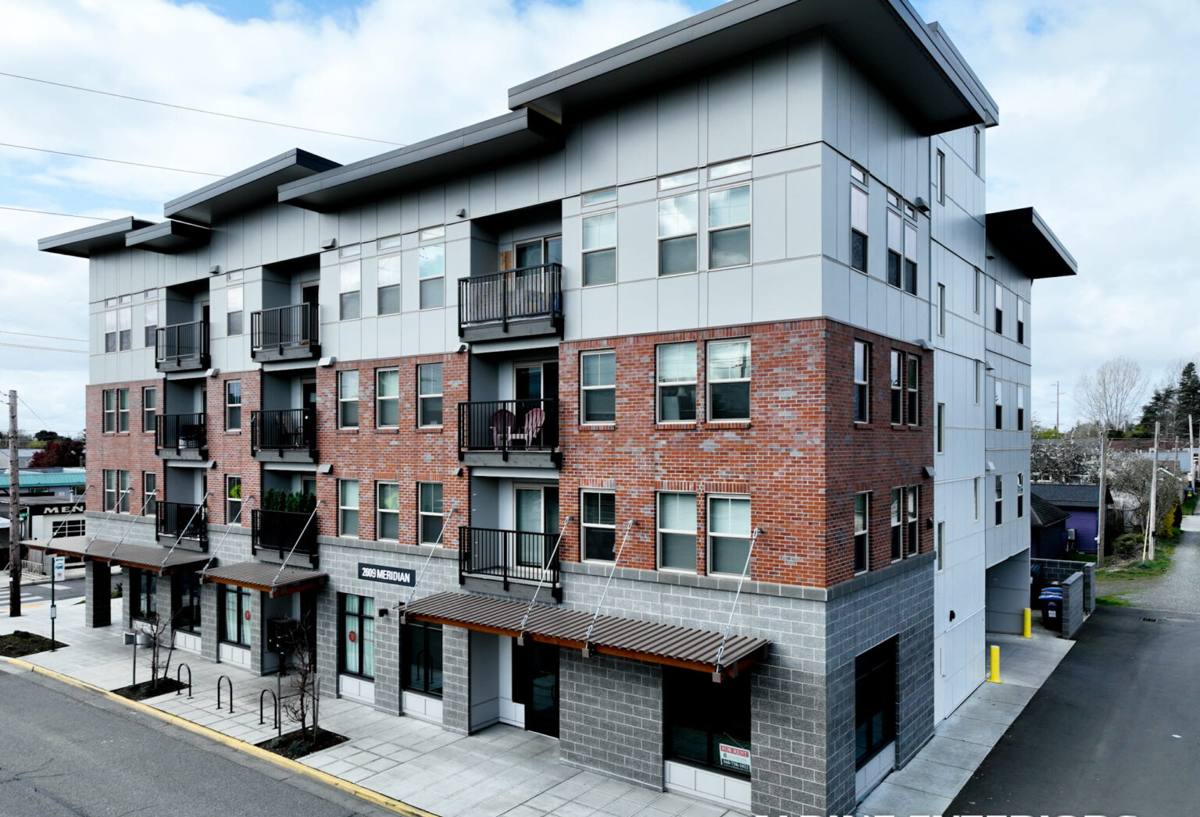
What Bellingham's Climate Does to Windows Over Time
Three things drive most of the window failures we see in this part of Whatcom County, and they compound each other:
Driving rain and wind-loaded moisture
Storms off the water don't just fall straight down — wind pushes rain sideways into wall assemblies, testing every seam around a window opening. A flashing detail that's "close enough" in a calmer climate can let water track behind the frame here, and once moisture gets into wall framing it often stays wet longer than it would in a drier region.
Salt air and corrosion
Proximity to the bay means airborne salt settles on hardware, fasteners, and metal window components. Over years, this accelerates corrosion on lower-grade hardware, pitting finishes and stiffening moving parts like locks and balances.
Extended moss and mildew season
Bellingham's mild, wet stretch from fall through spring keeps surfaces damp for long periods. Moss and algae don't just grow on roofs — they collect in window sills, tracks, and any horizontal trim ledge that doesn't shed water cleanly, holding moisture against wood and finishes far longer than an occasional rain event would.
None of this means windows in Birchwood need to be exotic or overbuilt. It means the details — flashing, sealants, drainage, hardware grade — matter more here than they would in a milder, drier part of the country, and cutting corners on any one of them shows up faster.
Signs a Birchwood Home Needs Window Attention
- Visible fog or moisture between panes (failed seal on a double-pane unit)
- Wood sills or jambs that feel soft, or paint that's bubbling and peeling from the inside out
- Drafts you can feel near the frame even when the window is fully latched
- Hardware — locks, cranks, balances — that's stiff, corroded, or won't hold the sash properly
- Visible gaps, cracked caulk, or daylight around the exterior trim
- Persistent condensation on the inside of the glass in cooler months
- Difficulty opening or closing, which often points to a frame that's racked or swelling
Any one of these can be a minor fix. Several together, especially on a home that's original to its construction era, usually means the windows are at or past the point where replacement is the more honest recommendation than another round of patching.
Choosing the Right Window for a Whatcom County Home
There's no single "best" window material — the right choice depends on the home's exposure, budget, and how much maintenance the owner wants to take on. Here's how the common options hold up specifically against Bellingham's salt air, rain, and moss conditions:
| Frame Material | Moisture & Salt Air Behavior | Maintenance | Typical Fit |
|---|---|---|---|
| Vinyl | Won't rot or corrode; performs well in coastal air | Low — occasional cleaning | Most budgets, most home styles |
| Fiberglass | Very stable in temperature and moisture swings; strong resistance to warping | Low | Homes wanting a slimmer profile or a paintable finish |
| Wood / Wood-clad | Handsome but needs a sound exterior cladding to keep moisture off bare wood | Higher — finish upkeep, especially on exposed elevations | Historic or architecturally specific homes |
| Aluminum | Prone to condensation and, without a thermal break, poor insulation in our damp cold snaps | Moderate | Rarely our first recommendation for residential retrofits here |
For most Birchwood homes, we steer owners toward vinyl or fiberglass because they shrug off the moisture and salt exposure without demanding ongoing upkeep. Wood-clad windows can still be the right call on a home where matching an existing architectural style matters more than minimizing maintenance — we'll walk through that trade-off honestly rather than push one material for every job.
What a Correct Window Installation Actually Involves
The window unit itself is only part of the job. Most premature window failures we're called out to inspect trace back to installation shortcuts, not a bad product. A correct install in this climate includes:
Proper flashing and drainage
Water that reaches the rough opening needs a clear path back out, not a place to collect. That means flashing tape or pan flashing at the sill, integrated correctly with the home's existing weather-resistive barrier — not just caulk smeared around the trim.
Correct sealant, not just more of it
Sealant has a job at specific joints, not everywhere. Over-sealing can actually trap moisture that gets in from elsewhere, giving it nowhere to escape. We seal where it counts and leave drainage paths open where the window design calls for them.
Square, level, and properly shimmed
A window that's out of square stresses the frame, strains hardware, and can compromise the seal over time — especially as wood-framed homes shift seasonally with humidity.
Insulation without over-packing
Gaps around the frame need insulation, but packing them too tightly can bow the frame inward and cause the sash to bind. Low-expansion foam or batting, applied correctly, does the job without distorting the unit.
Hardware rated for coastal exposure
Given the salt air here, we pay attention to the corrosion resistance of hardware and fasteners, not just the glass package.
Our Process for Birchwood Window Projects
- On-site assessment — we look at existing frame condition, signs of water intrusion, and the home's exposure to wind and rain before recommending anything.
- Straight talk on options — full-frame replacement versus insert replacement, material choice, and glass package, explained in plain terms with honest trade-offs.
- Written estimate — clear scope, materials, and timeline before any work starts.
- Protecting the opening — old units are removed carefully to check the framing and sheathing underneath for hidden rot or moisture damage before anything new goes in.
- Installation to the details above — flashing, drainage, sealant placement, shimming, and insulation done to hold up to Whatcom County weather, not just pass a quick visual check.
- Final check and cleanup — operation, seal, and finish work confirmed before we consider the job done.
Full-Frame Replacement vs. Insert (Pocket) Replacement
This is one of the most common questions we get, and the right answer depends on what's actually happening behind the trim.
| Approach | What It Involves | Best Suited For |
|---|---|---|
| Insert / pocket replacement | New window fits into the existing, sound frame | Frames that are square, dry, and structurally sound — faster, less disruptive |
| Full-frame replacement | Old frame removed down to the rough opening; new frame, flashing, and window installed | Homes with water damage, rot, out-of-square openings, or an owner wanting to correct a past installation problem |
Insert replacement is often the more affordable, less invasive option, but it only makes sense when the existing frame is genuinely sound. On homes in Birchwood where moisture has been an issue — soft sills, staining, or a musty smell near a window — we'll usually recommend opening things up rather than installing a new window over a hidden problem.
Why a Crew That Already Works Birchwood Matters
General window installation know-how gets you most of the way there, but there's real value in a crew that's worked this specific stretch of Bellingham repeatedly. We've seen how homes in this area age with prolonged moisture exposure, which elevations tend to take the worst of the wind-driven rain, and where moss buildup tends to create long-term drainage headaches around trim and sills. That local pattern recognition means fewer surprises once an opening is exposed, and recommendations that reflect how this neighborhood's homes actually perform over time — not just a generic install checklist.
A Simple Checklist Before You Hire Anyone
- Do they inspect the existing frame and sheathing before quoting, or just measure the glass opening?
- Do they explain flashing and drainage details, or only talk about the window brand?
- Is the estimate written, itemized, and clear about full-frame versus insert scope?
- Do they carry current licensing and insurance for exterior work in Washington?
- Will they show you what they find once the old window is removed, before closing things up?
- Are they upfront about maintenance expectations for the material you choose?
A contractor willing to slow down on these points is usually the one who'll do the flashing and sealing details right, too — the parts of the job you won't see again once the trim goes back on.
What Influences the Cost of a Window Project
Every home is different, but the main factors that move the price on a Birchwood window job are the same ones worth understanding before you get quotes: the number of windows and their sizes, whether it's insert or full-frame replacement, the frame material you choose, glass package (dual-pane versus triple-pane, low-E coatings), and whether hidden moisture damage turns up once the old window comes out. We'll always walk you through which of these apply to your home specifically, rather than quoting a flat per-window number that doesn't reflect your actual opening conditions.
If you're weighing whether it's time to replace windows on a Birchwood home, or just want a straight opinion on what shape yours are in, we're happy to take a look. Fill out the form below for a free, no-pressure estimate — there's no obligation, and we'll give you an honest read on what your home actually needs.