 Bellingham Siding
 Building New in Cordata? The Window Install Is Where Problems Start — or Never Happen
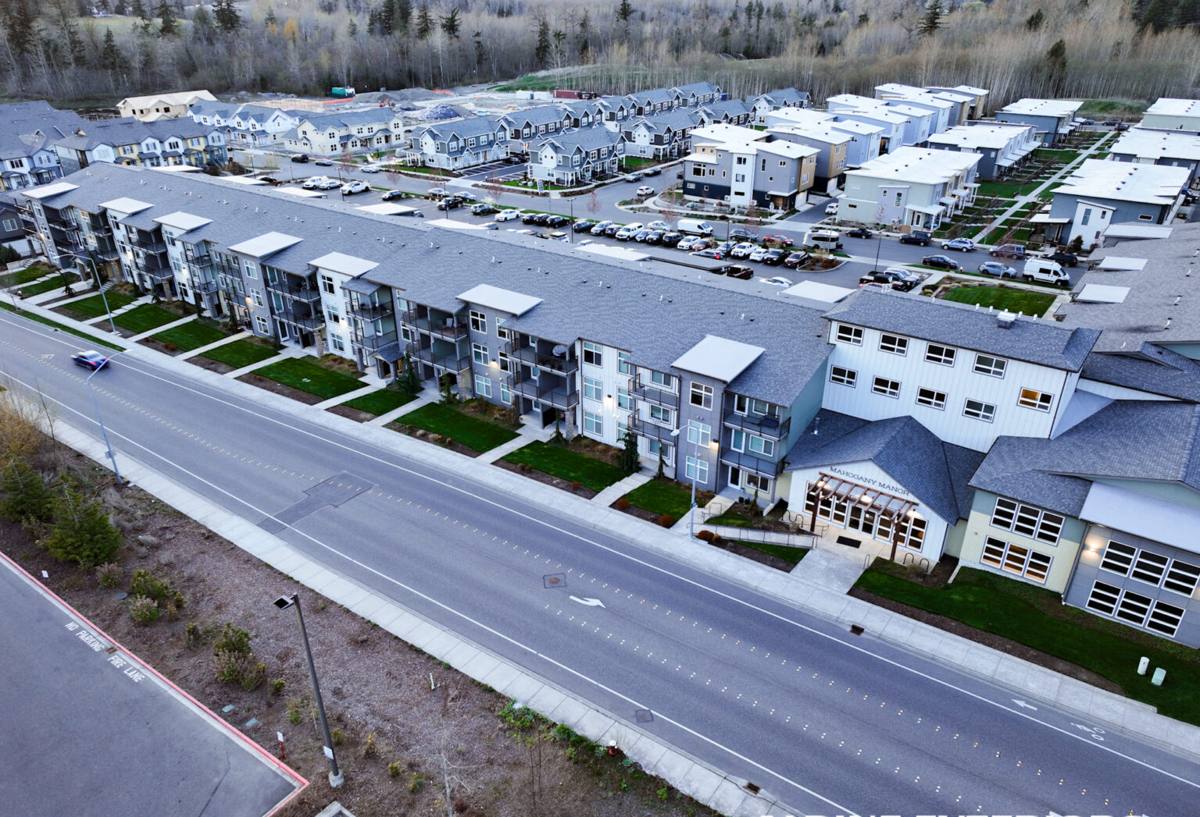
Cordata has been one of Bellingham's steadier growth areas for new homes over the past several years, with a mix of single-family builds and townhome-style developments going up north of downtown. If you're a builder, a homeowner working with a general contractor, or someone finishing out a spec home in this part of Whatcom County, the window installation stage deserves more attention than it usually gets. A new-construction window job isn't like swapping an old window into an existing opening. You're working with a raw rough opening, a weather-resistive barrier that hasn't been tested by a single storm yet, and a sequence of trades — framer, window crew, siding crew — that all have to hand off their work cleanly. Get that sequence wrong here, and Bellingham's climate will find the mistake for you, usually within the first wet season.
What Bellingham and Whatcom County Weather Actually Does to a New Window Opening
We don't get hurricanes or hail the way other parts of the country do, but our climate is hard on building envelopes in a different, slower way. Cordata sits close enough to Bellingham Bay that salt-laden air is a factor on fasteners, flashing tape adhesives, and any exposed metal trim. Add in long stretches of driving, wind-pushed rain in fall and winter, and a moss season that can run six to eight months out of the year on shaded north- and west-facing walls, and you have an environment that punishes shortcuts in window flashing and drainage detailing far more than it punishes a window brand choice.
The failures we get called out to fix are almost never "the window was bad." They're installation and sequencing failures: a sill pan that wasn't sloped or wasn't there at all, house wrap that was lapped the wrong direction over the nailing fin, flashing tape that was applied to a damp or dusty surface and never bonded, or a window that was set square to the opening but not to level and plumb, straining the frame and breaking the seal over time. In a climate that stays wet for most of the year, any one of those mistakes turns into a slow water intrusion problem that can take a year or two to show up as staining, soft trim, or a musty smell — long after the builder has moved on to the next lot.
Moss, Shade, and Drainage Around New Openings
Cordata's newer lots often back up to greenbelt, retained trees, or shared landscaping buffers, which means more shaded exterior wall area than you'd get in a fully cleared subdivision. Shaded siding and trim stay damp longer and grow moss and algae faster. That doesn't change how the window itself is built, but it changes how much margin for error you have in the flashing and drainage plane behind the siding — a house wrap gap or reverse lap that might dry out quickly on a sun-exposed south wall in a drier climate can stay wet for weeks here, and that's exactly where hidden rot starts around a window opening.
New-Construction Windows vs. Replacement Windows: Why the Job Is Different
It's worth being clear about what "new-construction window" actually means, because it changes the entire install approach compared to a retrofit into an existing home.
| Factor | New-Construction Install | Retrofit / Replacement |
|---|---|---|
| Window type | Nail-fin (flanged) units set into a raw framed opening | Insert or block-frame units set inside an existing finished opening |
| Flashing access | Full access to sheathing, house wrap, and sill before siding goes on | Limited — existing siding and trim often stay in place |
| Sill pan | Built and sloped before the window is set | Often can't be added without removing existing siding/trim |
| Sequencing | Coordinated with framer, WRB installer, and siding crew | Standalone job, minimal coordination needed |
| Biggest risk | Flashing sequence and sill pan done wrong once, hidden for years | Fit and air-sealing around the existing rough opening |
New construction gives you one real advantage: full access to do the drainage detailing correctly the first time, before anything is closed up. It's also the point where a rushed or out-of-sequence crew can bury a defect that nobody sees again until it's a repair job.
What a Correct New-Construction Window Install Actually Involves
For a home being built in Cordata's climate, we treat the window opening as a small drainage system, not just a hole to set a frame into. The core steps, in order:
- Rough opening check — verify size, square, level, and plumb against the actual window unit before anything is installed, not after.
- Sill pan flashing — a sloped, back-dammed pan at the sill so any water that gets past the window has somewhere to go besides the framing.
- House wrap / WRB integration — jamb and head flashing lapped in the correct shingle-style order so water sheds outward and downward, never trapped behind the barrier.
- Setting the window — shimmed, fastened per the manufacturer's schedule, and checked for square and operation before sealing anything shut.
- Air sealing and insulation — the gap between frame and rough opening sealed correctly, without over-packing it with rigid foam or spray foam that can bow the frame.
- Exterior trim and siding tie-in — coordinated with whoever is installing siding so the drainage plane behind the trim stays continuous, with no reverse laps at the window head or sides.
Every one of those steps is inspectable while the wall is still open. Once siding goes on, most of it is invisible for the life of the house.
Energy Code and Egress Basics for New Builds
Washington's state energy code sets minimum U-factor and solar heat gain requirements for new-construction windows, and those numbers get checked as part of permitting on new Whatcom County builds. Bedrooms also have egress size and sill-height requirements that have to be nailed down before window units are ordered, not adjusted after the opening is framed. We build these checks into the pre-order process so nobody discovers a code problem after the windows have already shown up on site.
Why a Crew That Already Works Cordata Is Worth Having on the Job
New-construction window work is a coordination job as much as a hands-on one. A crew that's already worked lots in Cordata and the surrounding Bellingham area knows the kind of terrain, drainage patterns, and exposure conditions common to this part of Whatcom County, and shows up already thinking about how the local weather will treat a given wall orientation. That matters more here than in a drier climate, because the margin for a flashing mistake to dry out on its own before it causes damage is much smaller.
There's also a practical scheduling reason to use a local crew: new-construction sequencing depends on trades showing up in the right order without long gaps between them. An opening that's framed and wrapped but sits exposed to a week of driving rain before the windows go in is already starting the job compromised. A crew based in or near Bellingham can turn around quickly when a builder's schedule shifts, instead of an opening sitting exposed while a distant crew works its way up the coast.
A Practical Checklist Before Your Windows Go In
- Rough openings measured and squared against actual window schedule, not just the plan set
- House wrap installed and taped before window crew arrives, with no gaps at corners
- Sill pan flashing confirmed at every opening — not just the ground-floor units
- Window U-factor and egress sizing verified against the energy code and building permit
- Flashing sequence photographed or documented before siding covers it
- Siding crew briefed on how window flashing was lapped, so trim details continue the drainage plane correctly
What This Costs and What Drives the Price
New-construction window installation is typically priced per opening, and the range depends on a handful of factors rather than a flat per-window rate.
| Factor | Effect on Cost |
|---|---|
| Number and size of openings | More and larger openings mean more flashing, sealant, and labor per unit |
| Window type (nail-fin vs. block frame) | Standard nail-fin units are the most straightforward to flash correctly |
| Wall height and access | Second-story and vaulted openings need staging or lift access |
| Coordination with other trades | Tight builder schedules with fast trade turnover can add scheduling complexity |
| Site exposure | Fully exposed lots facing prevailing wind and rain get extra flashing attention |
We'd rather walk a lot with you and give a real number based on the actual window schedule than quote a broad range that doesn't mean much for your specific build.
How We Approach a Cordata New-Construction Job
We start by reviewing the window schedule and rough opening framing plan before a single unit is ordered, catching sizing or egress issues early. On site, we coordinate directly with the framer and whoever is installing the house wrap so the flashing sequence happens in the right order rather than being patched together after the fact. Every sill pan and flashing lap gets checked before it's covered by trim or siding. If we're also handling the siding on the project, that hand-off is seamless because it's the same crew carrying the drainage plane from the window opening out to the finished wall.
If you're building in Cordata or elsewhere in the Bellingham area and want the window installation done right the first time, we're happy to take a look at your plans or your current framing and give you a straightforward, no-pressure estimate. There's a form below — reach out and we'll get back to you.