 Bellingham Siding
 Windows Built for Barkley's Exposure
Barkley sits close enough to Bellingham Bay and the surrounding lowlands that homes here take on the same weather load as the rest of Whatcom County: salt-laden air off the water, long stretches of driving rain in the fall and winter, and a moss season that can run from October well into spring. Windows are one of the first parts of a house to show what that exposure is doing, whether it's fogged glass between panes, soft trim at the corners, or a frame that no longer closes flush. If you're planning custom windows for a home in Barkley, the climate should shape almost every decision you make, from frame material to how the installer flashes the opening.
This page is specifically about custom window work for homes in and around Barkley. We're not going to give you a generic national rundown on window shopping — we're going to walk through what actually matters for this neighborhood, this climate, and the kind of homes built here.
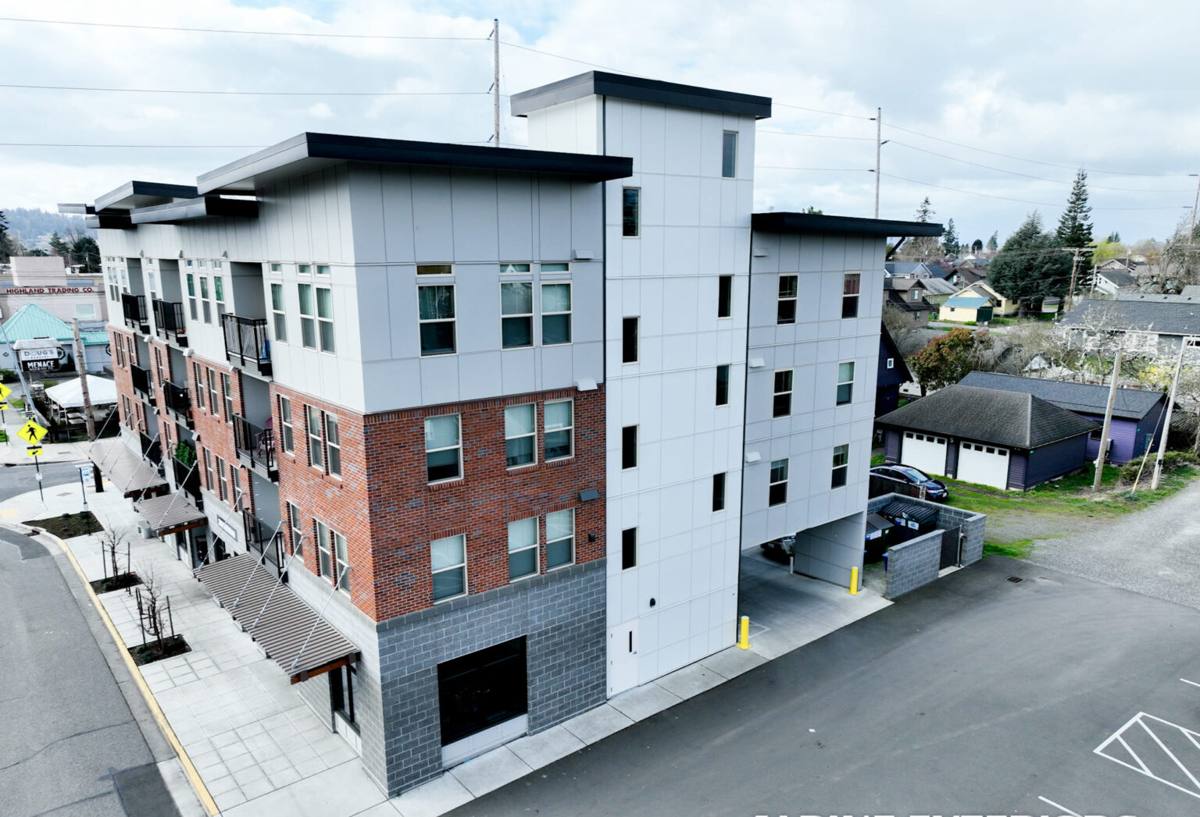
Why Barkley Homes Need Special Attention
Barkley is a newer planned area compared to a lot of Bellingham's older neighborhoods, which means most homes here were built with production-grade vinyl windows installed during initial construction. Those windows were adequate when new, but standard builder-grade vinyl units typically carry a realistic service life of 20 to 25 years in a marine climate before seals fail, hardware wears out, or frames start to warp under repeated wet-dry cycling. A lot of Barkley housing stock is now moving into that window.
What to watch for
Signs that a window is past its useful life aren't always dramatic. They tend to show up as:
- Fogging or a milky haze between the panes — the seal has failed and the gas fill is gone
- Visible condensation or moisture on the inside of the glass during cold snaps
- Drafts you can feel with a hand near the frame on a windy day
- Cracking, chalking, or soft spots in the exterior trim or sill
- Windows that are hard to open, close, or latch — a sign the frame has shifted
- Visible moss or dark streaking building up on horizontal trim ledges
None of these mean a house is falling apart. They mean the windows are doing what materials do after two decades of Pacific Northwest weather, and it's a good time to plan the replacement on your own schedule instead of waiting for a leak to force the issue.
What a Correct Custom Window Job Actually Involves
"Custom windows" doesn't just mean picking a size off a shelf. For a Barkley home, it means the opening, the flashing, and the window itself are all matched to that specific wall, that specific siding, and that specific exposure. A rushed or generic installation is one of the most common reasons a technically "good" window still leaks a few years later.
The parts that matter most
A properly done job accounts for:
- Accurate field measurement — every rough opening settles slightly over time and is rarely perfectly square, so factory-standard sizes get custom-fit rather than forced
- Sill pan flashing — a sloped, sealed pan under the window that gives any water that gets past the glass a way out instead of a way in
- Proper integration with the water-resistive barrier — the house wrap or building paper needs to shingle correctly over the flashing, not just get taped over it
- Compatible sealants — some sealants don't bond well to certain siding or trim materials, and a mismatch here is a hidden failure point
- Correct shimming and fastening — so the frame stays square and the sash operates smoothly for the life of the window
Because window replacement touches the siding and trim around the opening, it's work that overlaps directly with exterior siding trades — which is one reason a crew that handles both tends to catch problems a window-only installer might miss.
Frame Material: What Holds Up in This Climate
Frame material is one of the biggest factors in how a window performs over 20-plus years of Bellingham weather. There's no single "best" answer for every home — it depends on your budget, your home's style, and how much upkeep you want to take on.
| Frame Type | Moisture & Salt Air Behavior | Maintenance | Typical Fit |
|---|---|---|---|
| Vinyl | Good — won't rot or corrode, but can become brittle with age and UV exposure | Low — occasional cleaning | Most Barkley homes, budget-conscious replacements |
| Fiberglass | Very good — dimensionally stable, resists expansion/contraction from wet-dry cycling | Low | Homeowners wanting longer service life, willing to pay more upfront |
| Wood-clad | Handled correctly, performs well, but any breach in the cladding exposes wood to rot risk | Higher — cladding seams need periodic inspection | Homes prioritizing interior wood aesthetics |
| Aluminum | Poor thermal performance and prone to condensation in this climate unless thermally broken | Low | Rarely the right choice for Whatcom County residential work |
For most Barkley homes, we steer people toward vinyl or fiberglass. We generally don't recommend uninsulated aluminum frames for this climate — not because the material is inherently bad, but because standard aluminum conducts cold straight through the frame, which means more condensation on the interior during our wet winters and a harder time keeping the house comfortable.
Glass and Gas Fill
The glass package matters as much as the frame. Look for double-pane (or triple-pane, on north- or west-facing walls that take the brunt of driving rain) with a low-E coating and argon gas fill. Low-E coatings reduce heat loss and UV fade on furniture, and argon fill improves insulating performance over plain air — both worth the modest upcost in a climate where heating season runs long.
Our Installation Process
Here's how we approach a custom window project for a Barkley home, start to finish:
- On-site assessment — we look at every opening being replaced, check the condition of the existing flashing and sheathing, and note anything unusual about that wall's exposure to wind and rain
- Precise measurement — each opening is measured individually; we don't assume openings match just because the house was built on a schedule
- Material and glass selection — we walk through frame and glass options based on that specific wall's sun and rain exposure, not a one-size answer for the whole house
- Removal and inspection — once the old window is out, we check the sheathing and framing underneath for hidden moisture damage before anything new goes in
- Flashing and sealing — sill pan, proper shingle-lap sequencing with the house wrap, and compatible sealant at every joint
- Installation and adjustment — shimmed square, fastened per the manufacturer's spec, and tested for smooth operation
- Exterior trim finish — trim and any disturbed siding restored so the finished look matches the rest of the house
If we find rot or moisture damage behind an old window during removal, we'll show you what we found and give you an honest read on what it will take to fix before closing the wall back up. That's not an upsell tactic — it's the only way to make sure the new window isn't going into a compromised opening.
Choosing a Contractor for Window Work in Barkley
Window replacement is one of those jobs where a fast, cheap install can look identical to a correct one for the first year or two — the problems show up later, after the sealants have had a chance to fail. A few things worth checking before you hire anyone:
- Are they licensed and bonded to do exterior construction work in Washington State?
- Will they show you the sill pan and flashing detail before they close it up, or just tell you it's "done right"?
- Do they have general liability insurance, and will they provide proof without you having to push for it?
- Do they inspect the sheathing behind old windows, or just swap the unit and move on?
- Can they speak specifically to how they handle wall integration with your siding type?
- Do they offer a written warranty on both the product and their labor, separately?
A contractor who already works regularly in Barkley and the surrounding Bellingham neighborhoods will have a feel for which walls in this area take the worst weather, what the local building department expects for permits on window replacement, and how the moss and moisture patterns here differ from, say, a drier inland town. That local pattern recognition is hard to replicate if a crew is driving in from outside the county for a one-off job.
Why a Local Crew Matters for This Work
Window replacement isn't an isolated task — it interacts with your siding, your trim, your house wrap, and the specific way water moves across your particular wall during a Whatcom County storm. A crew that already does exterior work throughout Bellingham has already seen how Barkley's mix of exposure and building vintage tends to age, and that experience shows up in details like flashing sequencing and sealant choice that a generalist or out-of-area installer might not think twice about.
It also matters for accountability. If a question comes up two years after the install — a stuck sash, a trace of condensation, a trim question — a local crew is easy to reach and has a track record in the neighborhood, not just a name on an invoice.
Get a Straight Answer for Your Home
Every window job is a little different once you account for a home's specific exposure, age, and existing construction details. If you're seeing fogged glass, drafts, or worn trim on a Barkley home, or you're just planning ahead before it becomes a bigger repair, we're glad to take a look and give you a straightforward, no-pressure estimate — free of charge, with no obligation. Fill out the form below and we'll set up a time to walk the property with you.