 Bellingham Siding
 Roofing in Sehome: A Climate That Doesn't Forgive Shortcuts
Sehome sits close enough to Bellingham Bay that salt-laden air is a constant, quiet factor in how roofing materials age here. Add in the driving rain that blows sideways off the water during winter storms, the heavy tree canopy that shades much of the neighborhood's older streets, and the long, damp moss season that runs from fall through spring, and you have a roofing environment that punishes anything installed carelessly. A roof that would last two decades in a dry inland climate can fail in half that time here if the underlayment, flashing, and ventilation weren't done right the first time.
That's the case for treating a new roof as a system, not a stack of shingles. Every layer has a job to do against this specific combination of moisture, wind-driven rain, and organic growth, and skipping or shortcutting any one of them shows up later as a leak, rot, or a roof that needs replacing years before it should.
What Sehome's Housing Stock Means for a Roof Replacement
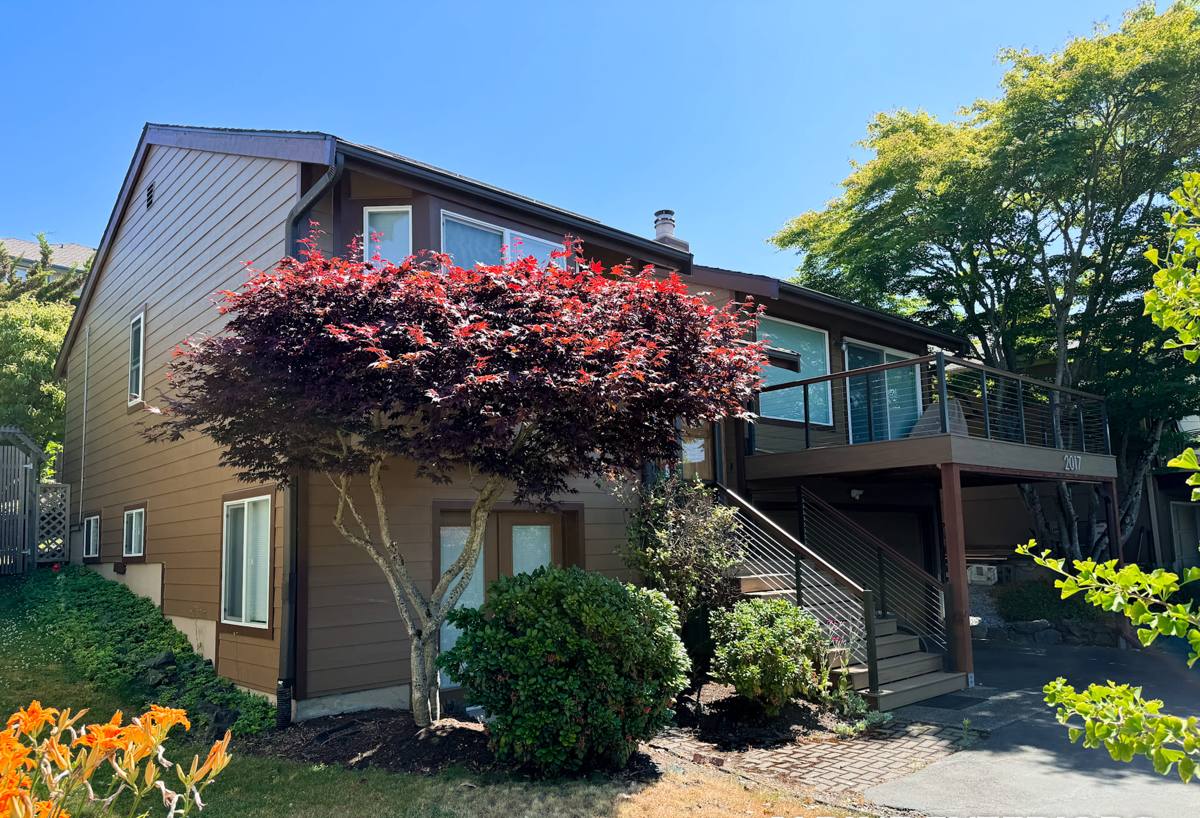
Sehome is one of Bellingham's older, established neighborhoods, with a mix of homes ranging from early-to-mid-century construction to newer infill. That mix matters for roofing in a few practical ways. Older homes may have roof decking that was never designed for today's ventilation standards, layers of old roofing material stacked from prior "roof-over" jobs, or framing that has settled or shifted slightly over the decades. A proper new roof installation on a home like this isn't just removing old shingles and nailing down new ones — it's an opportunity to correct problems that have been hiding under the surface for years.
Newer construction in and around Sehome tends to have more standardized decking and ventilation, but even these roofs need to be matched to the local climate rather than installed to a generic national spec. A roofing crew that only occasionally works in Whatcom County can miss details that a crew working here every week catches automatically.
Common Issues We Find on Sehome Tear-Offs
- Moss and lichen growth that has lifted shingle edges and trapped moisture against the deck
- Undersized or blocked attic ventilation, leading to trapped humidity and premature shingle aging
- Old, brittle flashing around chimneys, skylights, and roof-wall intersections
- Soft or delaminating decking discovered only once the old roofing is removed
- Gutter and drip-edge details that don't handle heavy, sustained rain well
Signs a Sehome Home Needs a New Roof, Not Another Repair
Not every roofing problem calls for full replacement, and an honest contractor should tell you when a repair is genuinely the better call. But there are signs that point toward a full new roof being the smarter investment, especially once a roof is past its expected service life for this climate.
Warning Signs Worth Taking Seriously
- Shingles that are curling, cracking, or losing granules across large sections of the roof
- Moss that keeps returning within a season or two of cleaning, even after treatment
- Daylight visible through the roof deck from inside the attic
- Multiple isolated leaks appearing in different areas rather than one clear source
- A roof that is already carrying two layers of shingles from a prior "roof-over"
- Sagging rooflines or soft spots you can feel when walking the roof or attic
If your roof is showing two or more of these signs, it's usually time to stop patching and start planning a replacement before a small problem becomes a structural one.
What a Correct New Roof Installation Actually Involves
A new roof is more than the shingles you see. In a climate like Bellingham's, the layers underneath do most of the work of keeping water out.
Tear-Off and Deck Inspection
We remove all existing roofing material down to the deck rather than installing over old layers. This lets us inspect every square foot of decking for soft spots, rot, or delamination and replace only what's actually damaged, instead of guessing at what's happening underneath.
Moisture Barrier and Underlayment
Given how much wind-driven rain Sehome sees, underlayment choice matters. Ice-and-water shield membrane at eaves, valleys, and roof penetrations, combined with a quality synthetic underlayment across the full deck, gives the roof a real second line of defense if wind ever drives water under the shingle tabs.
Flashing and Roof Penetrations
Chimneys, skylights, vents, and any place the roof plane changes are where most leaks actually start. New, properly stepped and counter-flashed details at every one of these points are non-negotiable on a correct installation, not an upgrade.
Ventilation
Balanced intake and exhaust ventilation keeps the attic dry and temperature-stable, which slows moss growth on the roof surface and prevents the trapped humidity that ages shingles from underneath. This is one of the most commonly under-built parts of older Sehome roofs.
Choosing a Roofing Material for This Climate
There's no single "best" roofing material for every home — the right choice depends on your budget, your roof's pitch and exposure, and how much long-term maintenance you're willing to do. Here's how the common options stack up for a coastal Whatcom County home.
| Material | Typical Lifespan Here | Moss/Moisture Behavior | Relative Cost |
|---|---|---|---|
| Architectural asphalt shingle | 20–30 years | Good with proper ventilation and periodic cleaning | $ |
| 3-tab asphalt shingle | 15–20 years | More prone to curling and moss lift over time | $ |
| Standing seam metal | 40+ years | Sheds moisture fast; naturally moss-resistant surface | $$$ |
| Synthetic/composite shingle | 30–50 years | Resists moisture absorption well; low maintenance | $$ |
Architectural shingles remain the most common choice in Sehome because they balance upfront cost with solid performance when installed with the right underlayment and ventilation. Metal and synthetic options cost more up front but ask less of you in maintenance over the life of the roof, which matters on homes with heavy tree cover where moss and debris are a recurring fight.
Our New Roof Installation Process
- On-site inspection and estimate — we walk the roof, check the attic, and give you an honest assessment of what your roof actually needs.
- Material selection — we go over the trade-offs above in plain terms so you can pick what fits your home and budget, not just what's easiest for us to install.
- Tear-off and deck repair — full removal of old roofing, with any damaged decking replaced and documented before we cover it up.
- Underlayment, flashing, and ventilation installation — the layers that actually determine how well the roof performs in Bellingham weather.
- Final roofing installation — shingles or panels installed to manufacturer spec, which protects your warranty coverage.
- Final walkthrough and cleanup — we review the finished roof with you and make sure the site is clear of debris and nails.
Ventilation and Moss: Prevention Over Cleanup
Moss doesn't just make a roof look neglected — it holds moisture directly against the shingle surface, which accelerates granule loss and can eventually work its way under shingle edges. In a neighborhood with as much tree cover as parts of Sehome have, moss isn't a matter of if but how often you'll deal with it. The real fix isn't more frequent cleaning; it's a roof designed to dry out faster between rain events. That means adequate ventilation, shingles installed with correct exposure and nailing patterns, and in some cases zinc or copper strips near the ridge that inhibit regrowth over time. We factor this into the installation itself rather than leaving it as a maintenance problem for you to manage every year.
Why a Crew That Already Works in Sehome Makes a Difference
Roofing crews that work across a wide, varied service area tend to install to a generic standard. A crew that regularly works Bellingham and greater Whatcom County knows which underlayment specs actually hold up against our wind-driven rain, how much ventilation an older Sehome attic really needs, and which flashing details tend to fail first on homes exposed to salt air off the bay. That local pattern recognition is the difference between a roof that looks right on installation day and one that still performs correctly in its fifteenth wet winter.
It also matters for scheduling and accountability. A local crew is around after the job is done — for warranty questions, storm follow-ups, or simply because reputation in a neighborhood like Sehome is built one honest job at a time.
Before You Hire: A Practical Checklist
- Get a written estimate that itemizes tear-off, decking, underlayment, flashing, and ventilation separately
- Confirm the crew carries current licensing and insurance for roofing work in Washington State
- Ask what happens if damaged decking is found once tear-off starts, and how that's priced
- Check that ice-and-water shield is included at eaves, valleys, and penetrations, not just as an upsell
- Ask about attic ventilation as part of the scope, not as an afterthought
- Get manufacturer and workmanship warranty terms in writing before work begins
If you're weighing a repair against a full replacement, or just want an honest read on where your roof stands, we're happy to take a look. Reach out for a free, no-pressure estimate using the form below.