 Bellingham Siding
 Windows in Puget Take a Different Kind of Beating
Puget sits close enough to the water that homes here deal with a mix most inland Whatcom County properties don't: salt-laden air, sideways rain driven by wind off the Sound, and long stretches of shade that keep siding and trim damp for days at a time. Windows are one of the first places that combination shows up — in stuck sashes, foggy glass, soft trim, and drafts that weren't there five years ago. Installing a window here isn't just about picking a product and setting it in the opening. It's about accounting for how water moves around this house, in this yard, facing this direction, before the first screw goes in.
This page is about window installation specifically for Puget homes — what the climate does to windows over time, what a correct installation actually involves, and why local experience changes the outcome.
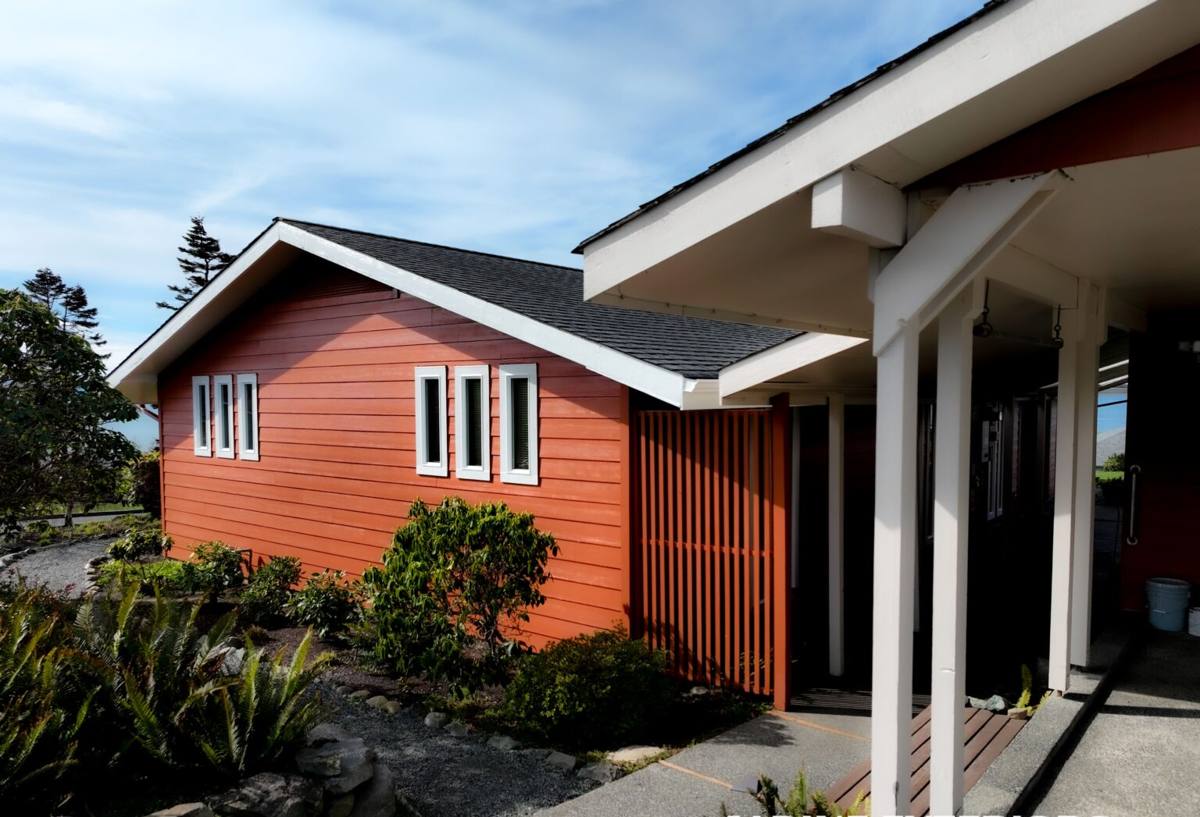
What Puget's Climate Does to Windows Over Time
Salt Air and Metal Components
Proximity to Puget Sound means airborne salt settles on everything outside, including window hardware. Over years, cheap or poorly coated hinges, locks, and balance springs corrode faster than they would inland. This shows up as windows that stick, latches that won't fully engage, or crank mechanisms on casement windows that seize up. It's a slow process, so most homeowners don't connect the dots until a window won't close all the way.
Wind-Driven Rain and Water Intrusion
Rain in this region rarely falls straight down. Wind pushes it sideways and up under trim, siding laps, and window flanges that weren't sealed with that in mind. A window that would perform fine in a calmer climate can leak here if the flashing details are wrong, because the water is being forced into gaps it wouldn't reach otherwise. Most window leaks we find in this area trace back to flashing and sealant details, not the window unit itself.
Moss, Algae, and Shade
Wooded lots and tree cover keep sills, sashes, and trim damp longer after storms. Damp wood grows moss and algae, and both hold moisture against the surface even longer, which is exactly the environment that breaks down old glazing putty, cracks caulk, and eventually rots wood sills and jambs. It's a slow cycle, but it's steady, and it's one of the more common reasons we get called out to older Puget homes.
Signs Your Windows Are Due for Replacement
Not every window problem means full replacement, but these are the signs worth taking seriously before they turn into bigger repairs:
- Fogging or moisture between panes — the seal has failed and the insulating gas is gone
- Sashes that stick, won't stay open, or won't latch fully closed
- Visible gaps or daylight around the frame when the window is closed
- Soft, spongy, or discolored wood at the sill or lower corners
- Drafts or a noticeable temperature difference near the window
- Paint that bubbles or peels repeatedly at the same spot, a sign of trapped moisture
- Rising heating bills with no other explanation
- Visible rust or corrosion on hardware and hinges
One or two of these on an older window is normal wear. Several at once, especially on windows facing prevailing wind and rain, usually points to a failing unit rather than something worth patching again.
What a Correct Window Installation Involves
The window itself matters less than most homeowners assume. Installation quality is what determines whether a window performs for twenty-plus years or starts leaking in three. Here's what we account for on every install.
Removal and Opening Prep
Once the old window is out, we inspect the rough opening for rot, soft framing, or prior water damage before anything new goes in. Installing a new window into a compromised opening just hides a problem that will resurface later — so any damaged framing or sheathing gets repaired first, not covered up.
Flashing and Weatherproofing
This is the step that matters most in a climate with wind-driven rain. A sill pan directs any water that gets past the window down and out, rather than into the wall cavity. Flashing tape and housewrap integration are layered so water sheds outward at every seam, following the same shingle-lap logic as siding — each layer overlapping the one below it. Skipping or rushing this step is the single most common cause of the leaks we get called to fix on other contractors' installs.
Insulation and Air Sealing
The gap between the window frame and the rough opening gets sealed with low-expansion foam or backer rod and sealant — never packed tight with fiberglass insulation alone, which doesn't stop air movement the way a proper seal does. This is what actually controls drafts, more than the window's own rating.
Finish Work
Interior and exterior trim get reset or replaced, caulked, and painted or finished to match. On the exterior, we pay particular attention to the bottom corners and sill, since that's where standing water and moss are most likely to cause problems down the road.
Choosing the Right Window Material for a Puget Home
Material choice affects how a window holds up to salt air, moisture, and years of Pacific Northwest weather. There's no single right answer for every home — it depends on budget, the home's style, and how exposed the window is to wind and rain.
| Material | How It Handles This Climate | Maintenance | Typical Fit |
|---|---|---|---|
| Vinyl | Won't rot or corrode; performs well against salt air and moisture | Low — occasional cleaning | Most homes; strong value for the performance |
| Fiberglass | Very stable in temperature and moisture swings; excellent long-term durability | Low | Homes wanting higher durability and a higher budget |
| Wood-clad | Good performance if the cladding and seals stay intact; interior wood look | Moderate — cladding and seams need periodic checking | Homes prioritizing a traditional wood interior appearance |
| Aluminum | Prone to corrosion in salt air unless well-coated; conducts cold | Higher — watch for pitting and corrosion near the coast | Limited use; we're selective about where we recommend it here |
We steer most Puget clients toward vinyl or fiberglass for exposed elevations because both resist the corrosion and rot issues that salt air and standing moisture cause over time. Wood-clad still has a place where the interior look matters more, as long as the homeowner understands the added upkeep.
Cost Factors for Window Installation
Pricing varies by window size, material, and how much the opening needs before installation. These are the main factors that move the number up or down:
| Factor | Effect on Cost |
|---|---|
| Window material (vinyl vs. fiberglass vs. wood-clad) | Vinyl is typically the most affordable; fiberglass and wood-clad run higher |
| Full-frame replacement vs. insert (pocket) replacement | Full-frame costs more but is often necessary when trim or framing is damaged |
| Rot or framing repair discovered at removal | Adds cost, but is far cheaper to fix now than after a new window is sealed in over it |
| Glass package (double-pane, Low-E coatings, gas fill) | Better-performing glass adds cost but improves comfort and energy use |
| Number of windows and access | Multiple windows in one visit typically cost less per unit than single replacements |
We'd rather quote an honest number that includes likely repairs than lowball a bid and surprise a homeowner mid-project. If we find rot in the opening once the old window is out, we'll show you before we proceed.
Our Process, Start to Finish
- Free on-site estimate. We look at the windows in question, note the exposure and condition, and talk through material and budget options.
- Written quote. Clear pricing with no vague allowances — you know what you're paying for before work starts.
- Removal and inspection. Old windows come out and we check the opening for damage before installing anything new.
- Installation. Sill pan, flashing, air sealing, and the window itself, set level and square.
- Finish and cleanup. Trim, caulking, and paint or finish work, with the job site left clean.
- Final walkthrough. We check operation on every window with you before calling it done.
Why Local Experience Matters for This Job
A crew that already works in and around Puget and Bellingham has usually seen how a given elevation, tree line, or wind exposure behaves over a full year of weather — not just installed a window and left. That matters when deciding how aggressive the flashing detail needs to be on a wall that catches driving rain, or which material makes sense on a shaded, moss-prone side of the house. It also means we're not guessing at Whatcom County permit or code expectations, and we're a known, reachable business if a question comes up after the job is finished — not a crew that installed windows here once and moved on.
If your windows are drafty, fogged, sticking, or just due for an upgrade, we're happy to take a look and give you a straight answer on what's needed. Use the form below to request a free, no-pressure estimate for your Puget home.