 Bellingham Siding
 Siding Replacement Built for York's Corner of Bellingham
York is one of Bellingham's older, close-in neighborhoods, and that means a housing stock with real variety — original siding from several different decades, additions that don't quite match the original exterior, and homes where the siding has simply outlived its usefulness. Whatever the starting point, siding replacement in York isn't a cosmetic upgrade. It's the single biggest thing you can do to protect a home from Whatcom County's marine climate.
Bellingham sits close enough to Puget Sound that salt-laden air is a real factor on siding, trim, and fasteners, even a few miles inland. Layer in driving winter rain that comes in sideways during a southwesterly blow, and a moss and algae season that can run eight or nine months out of the year on shaded, north-facing walls, and you have a climate that is genuinely tough on exterior materials. Siding that was fine in a drier, calmer climate often struggles here — and York's mix of tree cover, older lots, and tight setbacks between houses only adds to the moisture load.
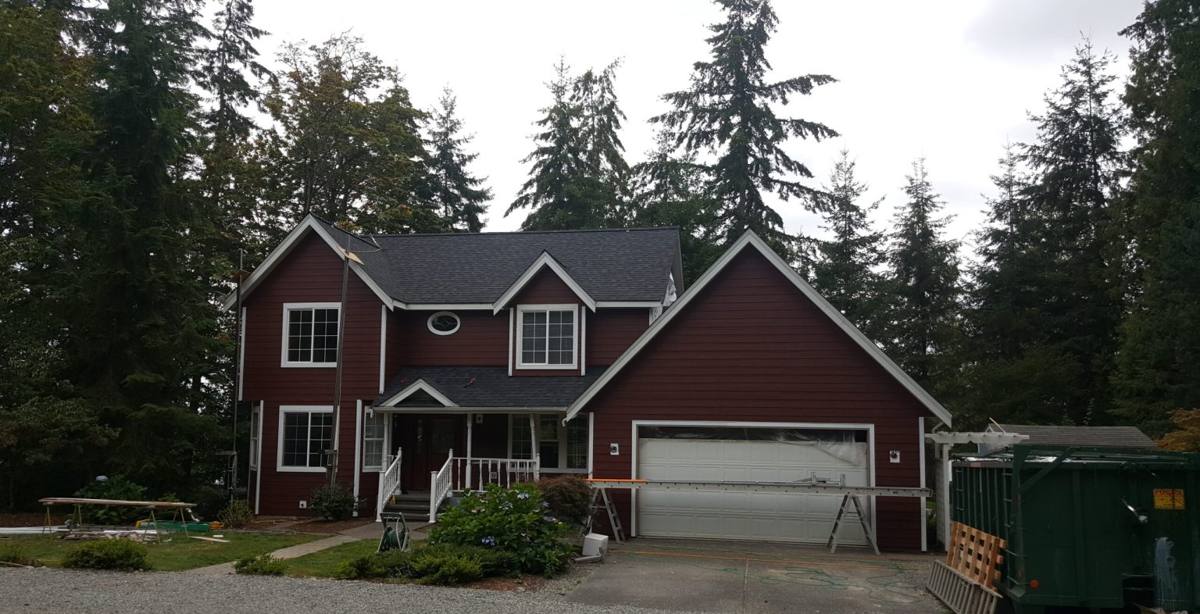
Signs a York Home Is Due for Siding Replacement
Most siding failure doesn't show up as a dramatic problem. It shows up as small, easy-to-dismiss details that add up over a few rainy seasons. Before you decide whether you need a repair or a full replacement, walk your exterior and look for the following:
- Soft or spongy spots when you press on siding, especially near the bottom courses and around window trim
- Paint that keeps failing in the same spots within a year or two of repainting
- Persistent moss or dark green-black staining on north- and west-facing walls that comes back within weeks of cleaning
- Visible cupping, warping, or separation at seams and butt joints
- Gaps opening up around window and door trim where caulking has pulled away
- A musty smell in an interior room that backs onto an exterior wall
- Siding that flexes or feels hollow, which usually means the substrate underneath has already broken down
Any one of these on its own might be a spot repair. Several of them together, especially on a home more than 20-25 years old, usually means the underlying material and the moisture barrier behind it have reached the end of their service life and a full replacement is the more honest recommendation.
What a Correct Siding Replacement Actually Involves
Tear-Off and Substrate Inspection
Replacement starts with full removal of the old siding and trim, not an overlay. This is the point where hidden problems get found — rotted sheathing, compromised framing, or old moisture barriers that failed years ago without any visible sign from outside. In a wet climate like Bellingham's, skipping this step and covering over damaged sheathing is one of the most common ways a siding job fails early.
Water-Resistive Barrier and Flashing
Once the wall is open, a new water-resistive barrier goes on correctly lapped, and flashing gets installed at every window, door, and horizontal transition. This detail work matters more in York's climate than almost anything else in the job — driving rain will find any gap in flashing or house wrap over time, and once water gets behind the siding, it has nowhere to go but into the wall assembly.
Fastening and Clearances
Fiber cement siding has a specific fastening schedule and minimum clearances from grade, decks, and roof lines that manufacturers publish for a reason. Getting these wrong doesn't cause an immediate problem — it causes a slow one, usually showing up as moisture damage three to five years down the road, right around the time it's harder to trace back to the install.
Finish Work
Trim, caulking at penetrations, and touch-up of factory-finished panels close out the job. In a region with as much rain as Whatcom County gets, the quality of this last 10% of the work is often what separates a siding job that looks good for two years from one that performs well for decades.
Why We Install Only James Hardie Fiber Cement
We standardized on James Hardie products and don't install vinyl, LP SmartSide, primed spruce, cedar, or other fiber cement brands. That's a deliberate professional standard, not a sales pitch, and it comes down to how these materials actually behave over time in a wet, salt-influenced climate like Bellingham's.
Vinyl is inexpensive and low-maintenance in mild, dry climates, but it can warp and become brittle over time, and it doesn't hold up as well as fiber cement in direct salt-air exposure. Engineered wood products like LP SmartSide perform reasonably well when detailing is perfect, but wood-based substrates are inherently more sensitive to sustained moisture than cement-based ones, which matters in a region where walls can stay damp for days at a stretch. Cedar and primed spruce are beautiful materials, but they require an ongoing maintenance commitment — recoating, caulking, and moisture monitoring — that most homeowners underestimate when they choose them.
James Hardie fiber cement is non-combustible, dimensionally stable in wet-dry cycling, and its HardieZone HZ10 product line is engineered specifically for climates like ours, with formulations meant to resist moisture and biological growth better than standard fiber cement blends. Combined with a factory-applied ColorPlus finish that doesn't rely on job-site painting to hold up, it's the product we're willing to put our name behind for a York exterior.
How the Materials Compare
| Material | Moisture Behavior in Wet Climates | Maintenance Burden | Typical Lifespan (correctly installed) |
|---|---|---|---|
| James Hardie fiber cement | Dimensionally stable, engineered HZ10 formulation for wet climates | Occasional wash-down, no recoating cycle | 30-50+ years |
| Vinyl siding | Doesn't rot, but can warp/become brittle with age and heat/cold cycling | Low, but panels can't be spot-repaired invisibly | 20-30 years |
| LP SmartSide / engineered wood | Performs well only with perfect flashing/caulking; sensitive to sustained damp | Regular caulk and finish inspection | 20-30 years, shorter if detailing fails |
| Cedar / primed spruce | Absorbs and releases moisture; prone to cupping and rot without upkeep | High — recoating, sealing, and monitoring | 15-25 years with diligent maintenance |
Our Process, Start to Finish
- Walkthrough and assessment — we look at your current siding, trim, and any problem areas, and talk through what we find in plain terms.
- Written estimate — a clear scope of work and pricing, with the Hardie product line and colors that fit the home.
- Tear-off and inspection — old material comes off, and any sheathing or framing issues are documented and discussed before we close the wall back up.
- Weather barrier and flashing installation — the part of the job that determines whether the siding performs for decades or fails early.
- Hardie panel, plank, or shingle installation — installed to manufacturer fastening and clearance specifications.
- Trim, caulking, and final detail work — the finish quality that protects the whole system long-term.
- Final walkthrough — we go over the finished exterior with you before calling the job complete.
What Affects the Cost of a York Siding Replacement
Every home is different, but a few factors consistently move the price on siding replacement jobs in this neighborhood:
| Cost Factor | Why It Matters Locally |
|---|---|
| Extent of substrate damage found at tear-off | Older York homes with decades of moisture exposure sometimes need sheathing or framing repair before new siding goes on |
| Home size and wall complexity | Additions, dormers, and multiple roof lines add labor and flashing detail |
| Siding profile chosen | Lap siding, shingle-style, and panel systems differ in material and labor cost |
| Trim and accessory scope | Full trim replacement versus reusing sound existing trim changes the total |
| Site access | Tight side yards and close neighboring homes, common on older York lots, can affect staging and labor time |
We give you a real number in writing before any work starts — no vague ranges, no surprises added on partway through the job.
Why It Matters to Hire a Crew That Already Works in York
Siding performance is local. A crew that regularly works in York and similar close-in Bellingham neighborhoods already understands which walls take the worst of the winter storms, where moss and algae growth tends to be worst due to tree cover and shade, and how older homes in this part of town were typically built and sheathed. That local pattern recognition shows up in better flashing decisions, smarter product choices for specific exposures, and fewer surprises once the old siding comes off.
It also matters for the boring-but-important logistics — knowing how to work efficiently on tighter, older lots, coordinating with neighbors when setbacks are close, and understanding the realistic weather windows for exterior work in a county that sees rain most months of the year. None of that shows up in a glossy brochure, but it shows up in how smoothly the project actually runs.
Get a Straightforward Estimate
If your York home is showing signs of siding wear — soft spots, recurring moss, failing paint, or gaps at the trim — it's worth getting a professional look before those small issues become expensive ones. We offer free, no-pressure estimates for siding replacement in York and throughout Bellingham, with an honest assessment of what your home actually needs. Use the form below to get started.