 Bellingham Siding
 Storm Damage Roofing in South Hill: What Makes This Neighborhood Different
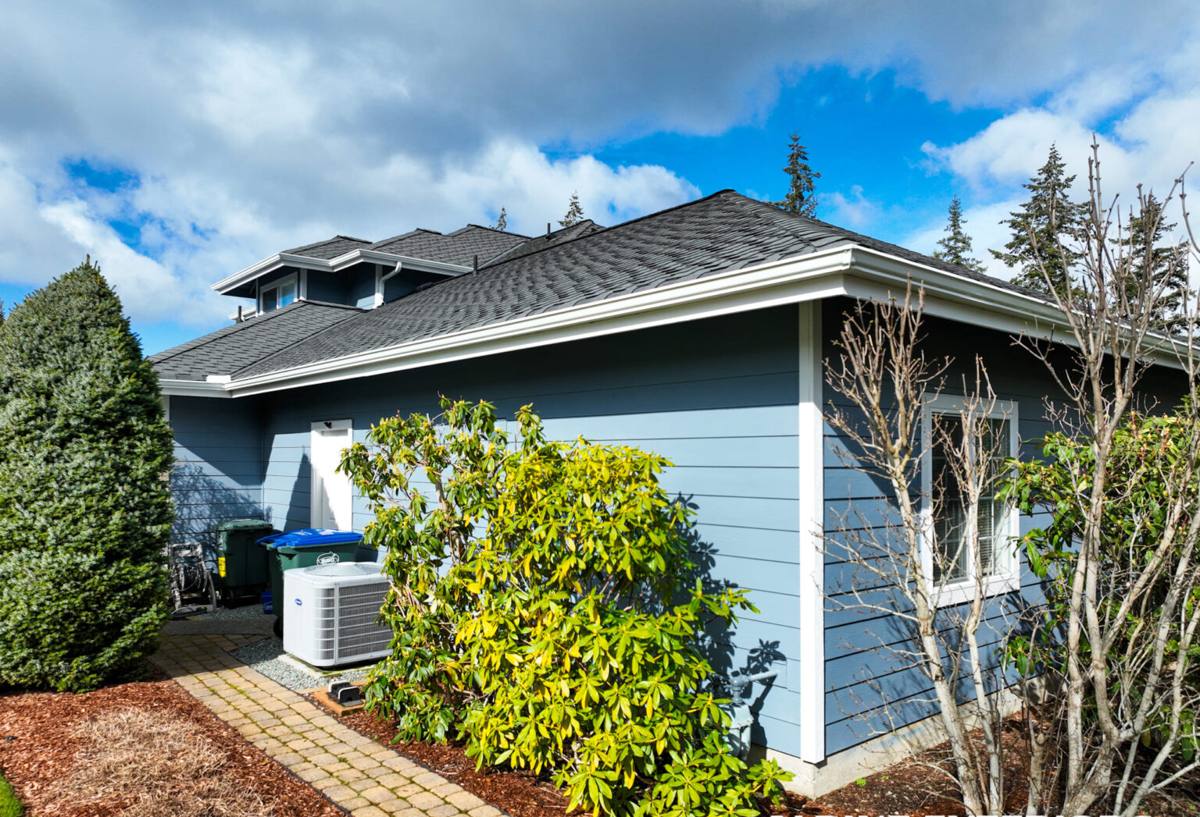
South Hill sits up on a hillside above downtown Bellingham, which means the homes there catch weather a little differently than houses down at sea level or tucked into a valley. Elevation and exposure change how wind loads a roof, how driving rain finds its way under shingles and flashing, and how fast moss and moisture problems creep in under a heavy tree canopy. A lot of the housing stock on South Hill is older too, with roofs that have been re-covered once or twice over the decades and details that don't always match current code. When a storm rolls through Whatcom County, that combination of exposure, age, and mature landscaping means South Hill roofs often take damage that isn't obvious from the ground.
We work on South Hill roofs regularly, which matters more than it might sound like. A crew that already knows the typical roof pitches, the common flashing details, and the way wind tends to hit these hillside lots can spot problems faster and repair them correctly the first time, instead of treating every job as a guessing game.
How Bellingham's Climate Actually Damages a Roof
Bellingham doesn't get the hail and tornado damage that drives a lot of storm-repair advertising in other parts of the country. Our storm damage is quieter and it accumulates. Three things do most of the work:
- Salt-laden air off the Sound accelerates corrosion on exposed metal — nail heads, flashing, vent boots, and gutter hardware — especially on roofs facing the water or open to onshore wind.
- Driving, wind-blown rain doesn't fall straight down. During a real Whatcom County storm it gets pushed sideways under shingle tabs, around chimney flashing, and into any gap that a calm-weather inspection would miss.
- Long moss season, roughly nine months out of the year here, keeps roof surfaces damp, holds moisture against shingles and roof decking, and slowly lifts and separates shingle edges, which is exactly where storm wind and rain go to work next.
None of these show up as a single dramatic event. They show up as a roof that was fine last year and has a soft spot, a stain on the ceiling, or a missing shingle after this year's storm season — because the storm didn't cause the damage on its own, it exploited weaknesses that moss, salt air, and rain had already been building for a while.
Why South Hill's Terrain Adds a Layer
Hillside lots change wind behavior. Wind that would pass over a flat-lot roof can accelerate or turn turbulent as it comes up the slope and over rooflines, which is part of why we see more ridge-cap and edge damage on elevated Bellingham properties than on comparable roofs closer to sea level. Mature trees, common throughout South Hill, add their own risk: wind-driven limb strikes, needle and leaf buildup in valleys and gutters, and shade that keeps roof sections damp longer after a storm passes.
What a Correct Storm Damage Roof Repair Actually Involves
"Storm damage repair" gets used loosely in this industry, and it's worth being specific about what a job should actually include, because a repair that only addresses the visible damage often leaves the underlying cause in place.
1. A Full-Roof Inspection, Not Just a Spot Check
Storm damage rarely limits itself to the spot where a homeowner noticed a leak. We check the whole roof surface, all flashing points (chimneys, vent pipes, skylights, wall intersections), the ridge, the eaves, and the gutters and downspouts, because wind and water damage tend to cluster at transitions and edges even when the leak shows up somewhere else entirely.
2. Identifying What the Storm Damaged vs. What Was Already Failing
This matters for both the repair plan and, if you're filing a claim, for the insurance conversation. We document what's genuinely storm-related (wind-lifted or torn shingles, impact damage, displaced flashing) separately from pre-existing wear (moss undermining, worn-out shingle granules, aged flashing sealant) so you get an honest picture, not an inflated damage report.
3. Matching the Repair to the Existing Roof
Shingle color, profile, and exposure vary by manufacturer and even by production run. A patch repair that doesn't match creates a visible scar and, more importantly, can create a seam where water behaves differently than it does across the rest of the field. We match materials as closely as the market allows and are upfront when an exact match isn't possible.
4. Flashing and Underlayment, Not Just Shingles
Most roof leaks trace back to flashing or underlayment failure, not shingle failure. A repair that replaces damaged shingles but ignores compromised flashing underneath is a repair that will leak again in the next storm.
Our Process for South Hill Storm Repairs
- Contact and initial assessment. We ask about when the damage appeared, whether it lines up with a specific storm, and what symptoms you've noticed (stains, drafts, granules in gutters, visible missing material).
- On-site inspection. We walk the roof (or use a ladder and safe vantage points where roof access isn't advisable) and inspect the attic or ceiling from the inside where relevant, since interior signs often tell us more about a leak's real path than the exterior does.
- Written scope and honest estimate. You get a clear explanation of what's storm damage, what's pre-existing wear, and what we recommend, with cost broken out so you can make an informed decision rather than a rushed one.
- Repair or, if warranted, replacement recommendation. Most storm damage is repairable. We only recommend full replacement when the roof's overall condition means a repair wouldn't hold, and we'll explain why.
- The work itself. Matched materials, correct flashing detail, and a cleanup pass so debris and old material don't end up in your gutters or landscaping.
- Follow-up. We stand behind the repair and want to hear from you if anything doesn't look or perform right after the next real storm tests it.
Repair vs. Replacement: How We Help You Decide
Homeowners are often unsure whether storm damage warrants a targeted repair or signals it's time to think about the whole roof. The honest answer depends on the roof's age, overall condition, and how widespread the damage is — not on what's easiest to sell.
| Factor | Leans Toward Repair | Leans Toward Replacement |
|---|---|---|
| Roof age | Under 15 years, otherwise sound | Nearing or past expected lifespan for its material |
| Damage extent | Isolated to one section or a handful of shingles | Spread across multiple slopes or roof faces |
| Underlying condition | Deck is dry and solid, moss issues are surface-level | Deck shows soft spots, or moss has undermined multiple areas |
| Flashing condition | Flashing is intact and just needs resealing or minor work | Flashing is corroded, rusted, or improperly installed throughout |
| Match availability | Existing shingle line is still available or close enough to match | Shingle is discontinued and mismatch would be very visible |
We'll tell you where your roof falls on that spectrum. If a repair is the honest answer, that's what we'll recommend and price — we don't push replacement on a roof that doesn't need it.
Insurance Claims: What We Can and Can't Do
Many storm-related roof repairs are eligible for homeowner's insurance coverage, but the process only works well when the documentation is accurate. We can provide a written inspection report, photo documentation of the specific damage, and a repair estimate that your adjuster can review. What we won't do is inflate a damage report or characterize normal wear as storm damage to help a claim get approved — that's a disservice to you if it's ever challenged, and it's not how we operate. If your roof has both storm damage and unrelated wear, we'll be clear about which is which so you can have an accurate conversation with your insurer.
What to Check After a Storm (Before You Call Anyone)
You don't need to get on the roof yourself, and on a wet or windy day you shouldn't. But there are safe, ground-level and interior checks that help you describe the problem accurately and decide how urgent a call is:
- Look at the ground and gutters near downspouts for shingle granules, torn shingle pieces, or flashing fragments.
- Check the attic (if accessible) for damp insulation, water staining on rafters, or daylight coming through the roof deck.
- Note any new ceiling stains, peeling paint, or musty smells in upper-floor rooms.
- Look at gutters and downspouts for sagging, separation, or debris blockages that could be redirecting water toward the fascia or siding.
- From the ground, scan for shingles that look lifted, curled, or missing compared to the surrounding roof field.
- If you have exterior cameras or recent photos of the roofline, compare before-and-after to spot changes.
If you see active water intrusion inside the home, that's worth a call right away rather than waiting for a scheduled inspection — a tarp or temporary patch can prevent a repairable problem from becoming a much bigger one.
Preventing the Next Round of Storm Damage
Because moss, salt air, and wind exposure are ongoing conditions here rather than one-time events, the best defense against repeat storm damage is maintenance between storms, not just repair after them.
Moss and Debris Management
Keeping moss growth controlled and gutters clear of needles and leaves reduces the standing moisture that weakens shingles and roof decking before a storm ever arrives. On shaded South Hill lots with heavy tree cover, this is worth doing more than once a year.
Flashing and Sealant Checks
Flashing sealant degrades with age and UV exposure even when nothing looks visibly wrong. A periodic check of chimney, vent, and wall flashing catches small failures while they're still a caulk-and-inspect job instead of a leak-and-repair job.
Tree Management
Overhanging limbs are both a direct impact risk in wind events and a source of the organic debris that feeds moss growth. Keeping branches trimmed back from the roofline is a simple step that reduces both risks at once.
Why a Local South Hill Crew Matters
Roofing companies that don't work this specific area regularly tend to treat every job as a blank slate — reinventing the inspection, guessing at how the local climate has aged the materials, and sometimes missing hillside-specific wind and moisture patterns entirely. A crew that already works South Hill and the surrounding Bellingham neighborhoods brings pattern recognition: which flashing details tend to fail first on homes of a certain age and pitch here, how moss behaves on the shaded lots common in this part of town, and what a normal storm season does to a roof versus what's actually damage worth repairing.
That familiarity translates into a faster, more accurate inspection and a repair plan that's built around how South Hill roofs actually perform in Whatcom County weather — not a generic checklist.
If a recent storm has you wondering about your roof, we're happy to take a look. Reach out for a free, no-pressure estimate using the form below, and we'll give you a straight answer about what your roof needs.