 Bellingham Siding
 Storm Damage Roof Repair for Birch Bay Homes
Birch Bay sits right on the water in northern Whatcom County, and that waterfront position means storms hit differently here than they do a few miles inland. Wind coming off the water arrives with less to slow it down, rain gets driven sideways instead of falling straight, and a roof that took a beating overnight can be hiding damage that isn't obvious from the ground. When a storm passes through, the question isn't just whether shingles are missing — it's whether water found a way in somewhere you can't see yet.
This page is specifically about storm damage roof repair for homes in and around Birch Bay — what this climate does to a roof during and after a storm, what an honest assessment looks like, and how a correct repair gets done so the same spot doesn't fail again next season. It's not a general roofing overview; it's focused on the situation a lot of Birch Bay homeowners are dealing with right after a bad weather event.
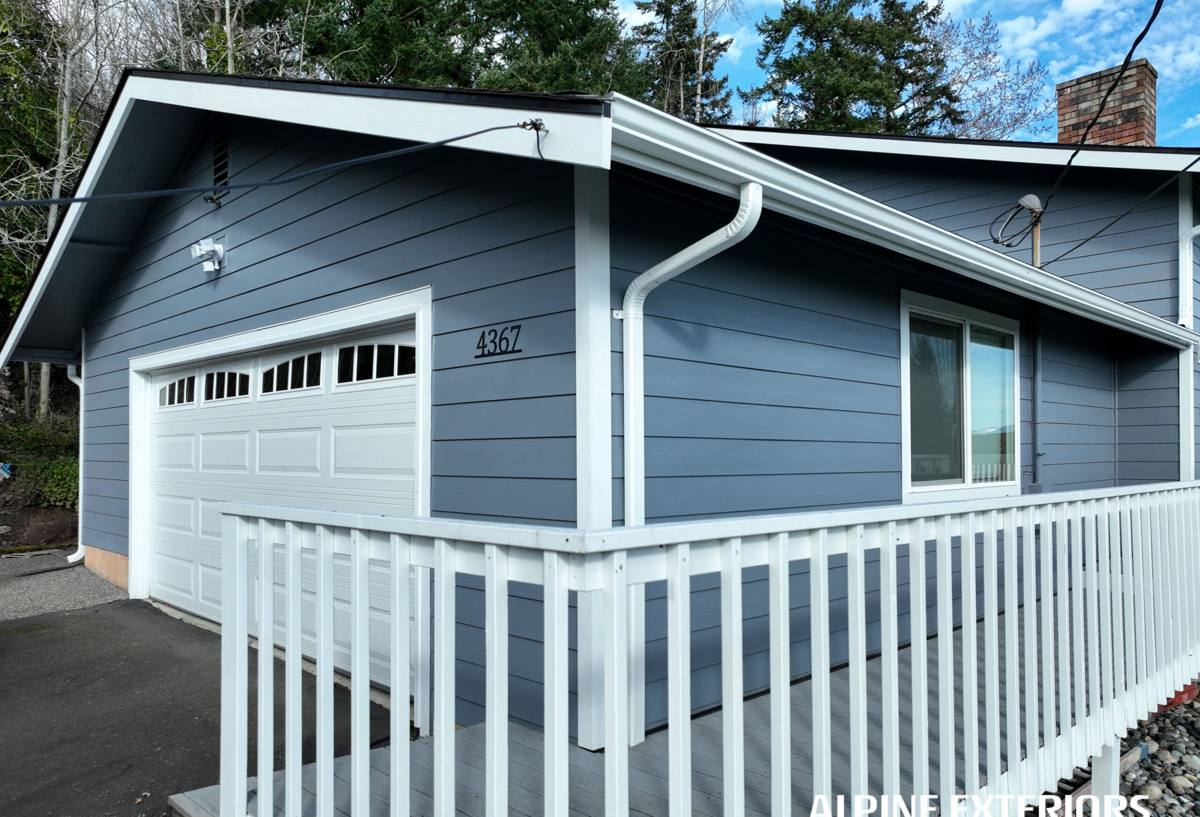
What Birch Bay's Climate Does to a Storm-Damaged Roof
Wind-Driven Rain and Hidden Water Entry
A roof is designed to shed water falling straight down, but wind-driven rain off the bay doesn't fall straight down — it gets pushed up under shingle tabs, sideways into flashing laps, and into any gap a storm has already opened up. That means storm damage in Birch Bay often causes water intrusion well before a homeowner sees a stain on the ceiling. The visible damage — a torn shingle, a lifted ridge cap — is often just the entry point, not the full extent of the problem.
Salt Air and Corrosion on Exposed Metal
Being this close to the water means more salt in the air than roofs a few miles inland deal with, and salt accelerates corrosion on exposed metal. After a storm rips or lifts flashing, that metal is suddenly more exposed to salt-laden air and moisture than it was before, which speeds up rust and weakens the seal at exactly the point where a roof needs it most. Fastener and flashing condition matters more on a storm-damaged Birch Bay roof than it would on a similar roof set back from the shoreline.
A Moss Season That Hides Underlying Damage
Whatcom County's mild, wet climate keeps moss active on shaded and north-facing roof slopes for most of the year, and moss does more than sit on the surface — it holds moisture against shingles and can work into small gaps that a storm has already created. A roof with existing moss buildup is often worse off after a storm than a clean one, because the moss has already been trapping water against the roofing material before the storm added new openings for it to get in.
Common Types of Storm Damage on Birch Bay Roofs
Not every storm causes the same kind of damage, and the repair approach depends on what actually happened to the roof. The patterns we see most often on this stretch of coastline include:
- Wind-lifted, creased, or missing shingles, especially along ridges, edges, and any slope facing the prevailing wind off the water
- Torn or displaced flashing at chimneys, vents, skylights, and roof-to-wall transitions, where wind gets the best leverage to pull material loose
- Granule loss or bruising from wind-blown debris, which weakens a shingle's protection even when it's still technically in place
- Punctures or soft spots from falling branches or debris carried by wind off nearby trees
- Gutter and fascia damage that redirects water somewhere the roof system wasn't built to handle it
- Ridge cap separation, which is easy to miss from the ground but a common early failure point in high wind
Signs Your Roof Needs a Storm Damage Inspection
Some storm damage is obvious right away. A lot of it isn't, and the homeowners who catch it early are usually the ones who know what to check after a bad weather event. Worth walking around the property and checking after any significant wind or rain:
- Shingles visible from the ground that look creased, curled, or out of alignment with the rest of the roof plane
- Granules collecting in gutters or at the base of downspouts after a storm, which wasn't there before
- Water stains on interior ceilings or upper walls, particularly near exterior walls or roof-to-wall transitions
- Daylight visible in the attic where there shouldn't be any, especially near vents, chimneys, or the roof edge
- Flashing that looks lifted, bent, or missing around any roof penetration
- A musty smell in the attic or upper floor, which can mean moisture intrusion before it's visible anywhere else
Repair or Replace? What Determines the Right Call
Not every storm-damaged roof needs full replacement, and not every roof that looks fine from the ground is actually fine underneath. The right call depends on a handful of specific factors, and an honest contractor will walk through those with you rather than defaulting to whichever answer is more profitable.
| Factor | Favors Repair | Favors Replacement |
|---|---|---|
| Extent of damage | Localized to one section or a handful of shingles | Spread across multiple slopes or large sections |
| Roof age | Roof is well within its expected service life | Roof was already nearing the end of its lifespan |
| Underlying deck condition | Sheathing is dry and sound once opened up | Soft, water-stained, or rotted decking found underneath |
| Prior moss or moisture history | Roof was well-maintained with little moss buildup | Long-term moss growth already compromising the material |
| Typical cost range | Often a few hundred to a couple thousand dollars, depending on scope | A larger investment, but resets the roof's full service life |
We open up the damaged area before making that call, not just look at it from the ground or from photos. A shingle that looks bad on the surface might sit on perfectly sound decking, and a roof that looks fine from a distance can have soft, water-damaged sheathing underneath a spot that's been leaking quietly for a while.
Insurance Claims After a Storm
Most storm damage repairs in this area involve a homeowner's insurance policy, and the way that process goes usually comes down to documentation. We photograph and document damage as we find it, and we're straightforward with homeowners and adjusters alike about what's genuine storm damage versus what's pre-existing wear, like long-term moss deterioration or aged shingles that were already past their useful life before the storm hit. That distinction matters because insurers cover storm events, not general roof aging, and a clear, honest scope helps a claim move faster and avoids disputes later.
We can't promise what an insurance company will approve — that call belongs to the adjuster and the policy terms. What we can do is give a clear, accurate assessment of what happened to the roof and put together documentation that reflects the actual damage, not an inflated or padded scope.
What a Correct Storm Repair Job Involves
A storm repair that's done right addresses more than the obviously broken piece. It means:
- Matching shingle type, style, and as close a color match as the product line allows, so the repair blends with the existing roof rather than standing out
- Replacing underlayment in the affected area if it's been compromised, not just laying new shingles over damaged material underneath
- Re-flashing any penetration or transition that was disturbed, with corrosion-resistant materials suited to this area's salt air
- Checking and clearing moss in the repair area before closing it up, since sealing moss underneath new material just traps the problem
- Confirming the repair ties into the surrounding roofing correctly, so water sheds properly across the seam instead of finding a new entry point right at the edge of the fix
Skipping any of those steps can leave a roof that looks repaired from the ground but is still vulnerable to the next storm, especially given how much wind-driven rain this location sees compared to more sheltered parts of the county.
Our Process for Storm Damage Roof Repair
We start with an inspection of the roof itself, not just what's visible from the driveway, along with a look in the attic where water intrusion usually shows up first. From there we document what we find, give a straightforward repair-versus-replace recommendation based on the actual condition of the decking and roofing material, and put together a clear written scope before any work starts. If insurance is involved, we provide documentation that supports the claim honestly.
Once the scope is agreed on, repairs get made using materials and flashing details suited to this specific climate — corrosion-resistant fasteners, correctly lapped flashing, and underlayment that matches what the rest of the roof needs to perform well through the next wet season. We finish with a walkthrough of what was done and what, if anything, to keep an eye on going forward.
Why It Matters That We Already Work Birch Bay
A roofer who mainly works further inland can still make a competent repair, but Birch Bay roofs deal with wind exposure, salt-driven corrosion, and moss pressure that don't show up the same way even a few miles away in Whatcom County. Working this coastline regularly means we're not guessing at flashing details or fastener grade on your repair — we've seen which failure points show up again and again on this specific stretch of waterfront, and we build the repair around that instead of a generic approach.
Before You Hire Someone for Storm Repair
- Confirm they hold current Washington contractor licensing and active insurance for roofing work
- Ask whether they inspect the attic and decking, not just the roof surface, before recommending repair or replacement
- Ask how they document damage for insurance purposes and whether they separate storm damage from pre-existing wear honestly
- Get a written scope of work and material list before signing anything
- Ask what flashing and fastener grade they use given this area's salt air exposure
If a recent storm left you wondering whether your roof needs attention, we're happy to take a look and give you a straight answer about what's actually going on, no pressure either way. Reach out below for a free estimate.