 Bellingham Siding
 Board & Batten Siding for Sudden Valley Homes
Sudden Valley sits in a heavily wooded, lake-adjacent setting on the edge of Whatcom County, and that setting shapes what siding actually needs to do here. Tall conifer canopy keeps south and west walls shaded for long stretches of the year, driveways and lots are often sloped and tree-lined, and homes tend to sit closer to damp ground cover than a typical in-town lot. Board and batten siding — vertical boards with narrow strips (battens) covering the seams — has become a popular choice for the area because it reads as modern, craftsman, or mountain-lodge depending on trim and color, and it fits naturally against a wooded backdrop in a way that flat lap siding sometimes doesn't.
This page is about that one siding style, installed correctly, for that one part of Bellingham. We'll cover what the climate does to it over time, what a correct installation actually involves, and why the crew doing the work matters as much as the material itself.
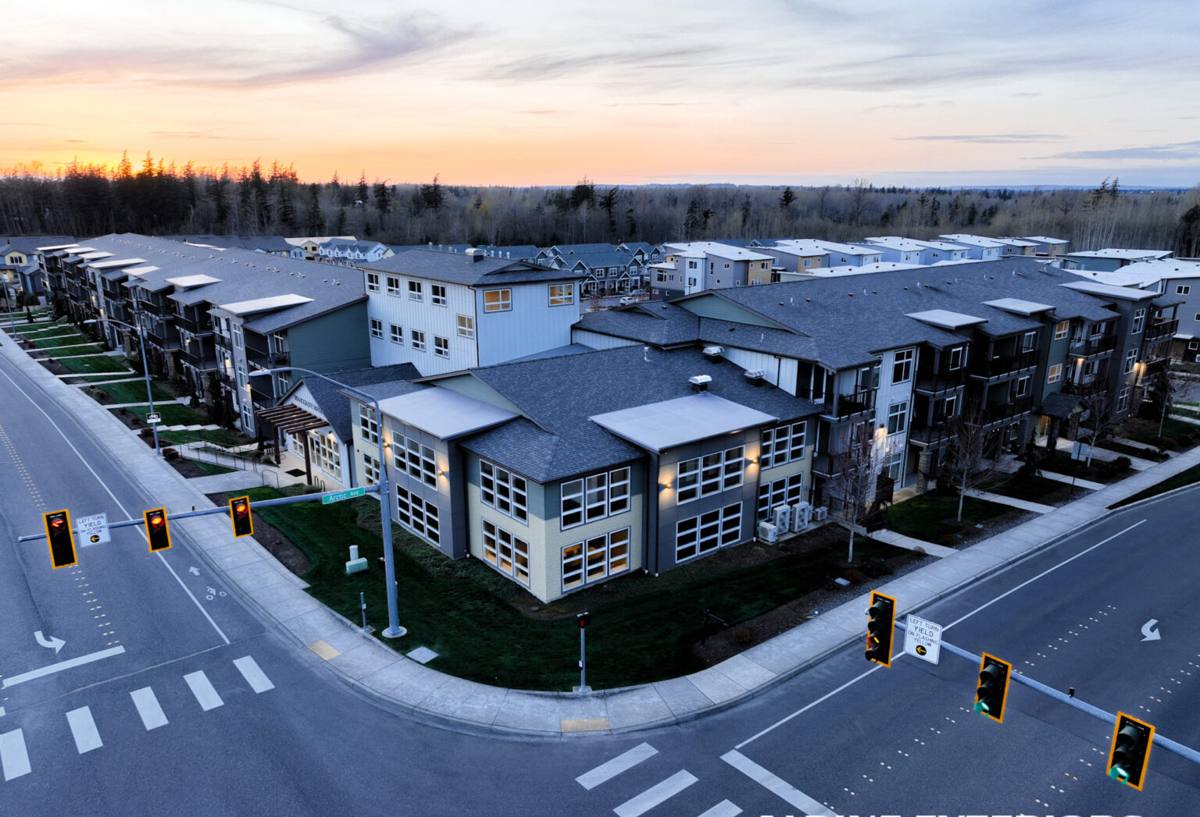
What Sudden Valley's Climate Does to Siding Over Time
Whatcom County sits in a marine climate zone, and that means near-constant moisture exposure spread across most of the year rather than a handful of hard storms. Add Sudden Valley's tree cover on top of that regional pattern and you get a few specific problems that show up on siding faster than they would on a more open, sun-exposed lot:
Moss and Algae Growth
Shaded walls that stay damp longer after rain are prime real estate for moss and algae. On untreated wood or lower-grade composite products, this isn't just cosmetic — sustained moisture trapped against a porous surface accelerates rot and paint failure. It shows up first in corners, under eaves, and along the bottom courses closest to landscaping.
Driving Rain and Wind-Driven Moisture
Storms moving through the region don't always fall straight down — wind pushes rain sideways into wall assemblies, and vertical board and batten siding has more seams per square foot than wide lap siding. Every one of those seams is a potential entry point if the battens, caulking, and flashing weren't installed with that in mind.
Marine Air and Salt Exposure
The broader Bellingham area sits close enough to Bellingham Bay and Puget Sound that marine air reaches inland neighborhoods, carrying fine salt content that accelerates corrosion on fasteners and metal trim over time. It's a slower effect than direct coastal exposure, but it adds up over a couple of decades — especially on hardware that wasn't rated for it in the first place.
None of this means Sudden Valley is an unusually hostile place to own a home. It means the siding and the fasteners behind it need to be chosen and installed with these specific, ongoing conditions in mind — not just installed to a generic national spec and left alone.
How Board & Batten Siding Is Actually Built
"Board and batten" describes the look, not a single product. There are two common ways to achieve it, and the difference matters:
- Individual boards and battens: wide vertical boards installed edge to edge, then narrow battens fastened over each seam.
- Panel-and-batten systems: a single engineered vertical panel installed in sheets, with battens applied over the panel joints to create the same visual rhythm with fewer seams overall.
Both approaches need a drainage plane behind them — typically a weather-resistant barrier and, on a wall assembly like this, often a rainscreen gap created with vertical furring strips. That gap lets any moisture that does get past the outer layer drain and dry out instead of sitting against the sheathing. Skipping the rainscreen is one of the most common corners cut on board and batten jobs, because it's invisible once the siding goes up — and it's exactly the kind of shortcut that causes problems five or ten years down the road, quietly, behind a wall that looks fine from the driveway.
Why We Install This System in James Hardie Fiber Cement Only
We get asked fairly often about wood board and batten — cedar in particular has a long history with this style — and about vinyl board and batten panels, which are cheaper and faster to install. We don't install either one, and it's worth explaining why rather than just saying no.
Wood (Cedar or Primed Spruce)
Real wood board and batten looks great on day one. The trade-off is ongoing maintenance: repainting or restaining on a cycle, caulking that needs to be checked and redone, and a material that's genuinely vulnerable to the moss, mildew, and sustained dampness that a shaded, wooded lot like the ones common in Sudden Valley produces. Wood can absolutely last if it's maintained on schedule — the honest issue is that most homeowners don't want a siding product that requires that level of upkeep to hold up in this climate.
Vinyl Board and Batten
Vinyl is low-maintenance in the sense that it doesn't need painting, but it's a thin, flexible material that expands and contracts significantly with temperature swings, can crack on impact in colder weather, and doesn't hold up well against sustained wind-driven rain at the seams the way a rigid, factory-finished fiber cement product does. It's also not a look we think does justice to the craftsman and lodge-style homes common in this part of the county.
What We Use Instead
James Hardie's fiber cement board and batten systems — whether built from HardiePanel vertical siding with HardieTrim battens, or individual Hardie boards and battens — give you the vertical look without either of those trade-offs. The material is non-combustible, doesn't feed moss and mildew the way wood does, comes with a factory-applied ColorPlus finish that resists fading and doesn't need repainting on the same cycle as wood, and is engineered in formulations suited to regions like ours that see repeated freeze-thaw and moisture cycles rather than sustained heat. It's a rigid product installed with a documented fastening and clearance spec, which matters a lot once you're dealing with wind-driven rain against a wall with dozens of vertical seams.
What a Correct Installation Actually Involves
The material is only half the equation. A board and batten job installed wrong will fail regardless of what's on the wall. The details that separate a correct install from a problem waiting to happen include:
| Detail | Why It Matters |
|---|---|
| Rainscreen / furring gap | Lets incidental moisture drain and the wall assembly dry instead of trapping water against sheathing |
| Proper flashing at windows, doors, and roof lines | These are the highest-risk points for water intrusion on any vertical siding system |
| Correct fastener spacing and type | Under- or over-driven fasteners and the wrong fastener material shorten the life of the whole assembly |
| Ground and roofline clearance | Siding installed too close to grade or a roof surface stays wet longer and invites moss and rot at the bottom courses |
| Caulking at battens and trim joints, not the field seams | Correctly detailed board and batten sheds water at the lap, not by relying on caulk as the primary barrier |
| Factory-primed or ColorPlus-finished cut edges sealed on site | Exposed cut edges are the one place factory protection doesn't reach until sealed in the field |
Any one of these done wrong is invisible for a year or two and then becomes an expensive repair. This is why we treat the tear-off and prep stage as seriously as the siding itself.
Our Process for Sudden Valley Projects
- On-site assessment: we look at existing siding condition, moisture staining, shaded exposures, and roofline/gutter interactions specific to the lot.
- Tear-off and sheathing check: once old siding is off, we inspect for hidden rot or moisture damage before anything new goes up — this is where problems that started years ago actually get found.
- Weather barrier and rainscreen installation: the drainage plane goes in before a single piece of Hardie touches the wall.
- Board/panel and batten installation: installed to Hardie's fastening and clearance specifications, with attention to flashing at every penetration.
- Trim, caulking, and touch-up: factory-finish touch-up paint is used at cut edges and fastener heads so the ColorPlus finish stays consistent.
- Walkthrough and cleanup: we review the finished work with the homeowner before calling the job done.
Living With Board & Batten Siding in a Wooded, Moss-Prone Setting
Fiber cement board and batten is genuinely low-maintenance compared to wood, but "low-maintenance" isn't "no-maintenance," especially under heavy tree cover. A short seasonal checklist keeps it performing the way it's supposed to:
- Keep gutters clear so overflow doesn't run down and pool against upper courses
- Rinse shaded, moss-prone walls with a garden hose once or twice a year rather than a pressure washer, which can force water behind the siding
- Trim back branches and shrubs that keep a wall surface shaded and damp longer than necessary
- Check caulking at battens and trim joints every couple of years and have any cracked or missing caulk redone
- Watch the bottom courses near grade and landscaping beds for buildup of debris or soil that reduces clearance over time
None of this is heavy lifting, but skipping it in a shaded, tree-heavy setting like Sudden Valley shortens the life of any siding product faster than it would on an open, sunny lot.
Cost Factors for Board & Batten Siding in Sudden Valley
There's no honest flat number for this kind of project — cost depends on the specifics of the home and the site. The factors that actually move the price are:
| Factor | Why It Affects Cost |
|---|---|
| Existing siding removal | Tear-off of old wood, vinyl, or damaged siding adds labor and disposal time |
| Sheathing repair needs | Hidden rot found during tear-off has to be repaired before new siding goes on |
| Home size and wall complexity | More corners, gables, and dormers mean more cuts, more battens, and more flashing detail |
| Site access | Sloped lots, long driveways, and tree-lined access common in Sudden Valley can affect staging and material delivery |
| Panel vs. individual board-and-batten system | Panel systems typically install faster; individual boards and battens take more labor but offer more custom spacing |
| Trim and finish detail | Corner boards, window trim, and fascia detailing add material and labor beyond the field siding |
We walk every project in person before quoting, because a number based on square footage alone almost never survives contact with the actual wall.
Why Hiring a Crew That Already Works in Sudden Valley Matters
A siding crew that hasn't worked this specific area yet will learn its lessons on your house — sloped and tree-lined access that affects staging and delivery, gate or community access logistics, and which walls on a lake-adjacent, heavily shaded lot actually need the most attention for moisture and moss. A crew that's already worked in Sudden Valley has already solved those logistics and knows what a wall assembly here needs to hold up. That's not a marketing point — it's the difference between a crew guessing at site conditions and one that's planned around them before the first piece of siding comes off.
If you're weighing board and batten siding for a home in Sudden Valley, we're happy to walk the property, look at what's on the wall now, and give you a straight, no-pressure estimate for what a correct James Hardie installation would involve. Use the form below to get started.