 Bellingham Siding
 Why Sunnyland Homes Need Windows Built for This Climate
Sunnyland is one of Bellingham's older, established residential neighborhoods, with a mix of early-to-mid-century homes and newer infill sitting under mature tree cover. That combination of age and climate exposure means windows here take a beating that homes further inland simply don't experience. Bellingham sits directly on Bellingham Bay, and onshore wind carries salt-laden, moisture-heavy air across the whole city, including inland neighborhoods like Sunnyland. Add Whatcom County's long, wet fall-through-spring stretch and you have a recipe for hardware corrosion, wood rot, and seal failure that shows up years earlier than it would in a drier climate.
Salt Air and Hardware Corrosion
Salt in the air accelerates corrosion on window hardware — hinges, locks, balances, and screws — especially on lower-quality aluminum or unprotected steel components. Over years, this shows up as stiff or sticking sashes, locks that won't fully engage, and pitting on exposed metal trim. It's a slow process, but it's constant, and it's one of the main reasons hardware quality matters more here than in a lot of other parts of the country.
Driving Rain and Water Intrusion
Storms rolling in off the Pacific don't just drop rain straight down — wind pushes it sideways into wall assemblies and window openings. A window that would be fine in a calm, dry climate can leak here if the flashing, sill pan, and sealant details aren't done correctly. Water intrusion around windows is one of the most common sources of hidden rot in older Whatcom County homes, and it's almost always a workmanship issue, not a product defect.
Moss, Mildew, and the Long Wet Season
Bellingham's mild, wet stretch runs long — often eight months or more of consistently damp conditions. On north-facing walls and shaded window sills, especially under tree cover common in Sunnyland's older lots, that moisture supports moss and mildew growth on sills, trim, and even between improperly sealed glazing units. It's mostly cosmetic at first, but sustained moss growth traps moisture against wood surfaces and speeds up decay if it's never cleaned off.
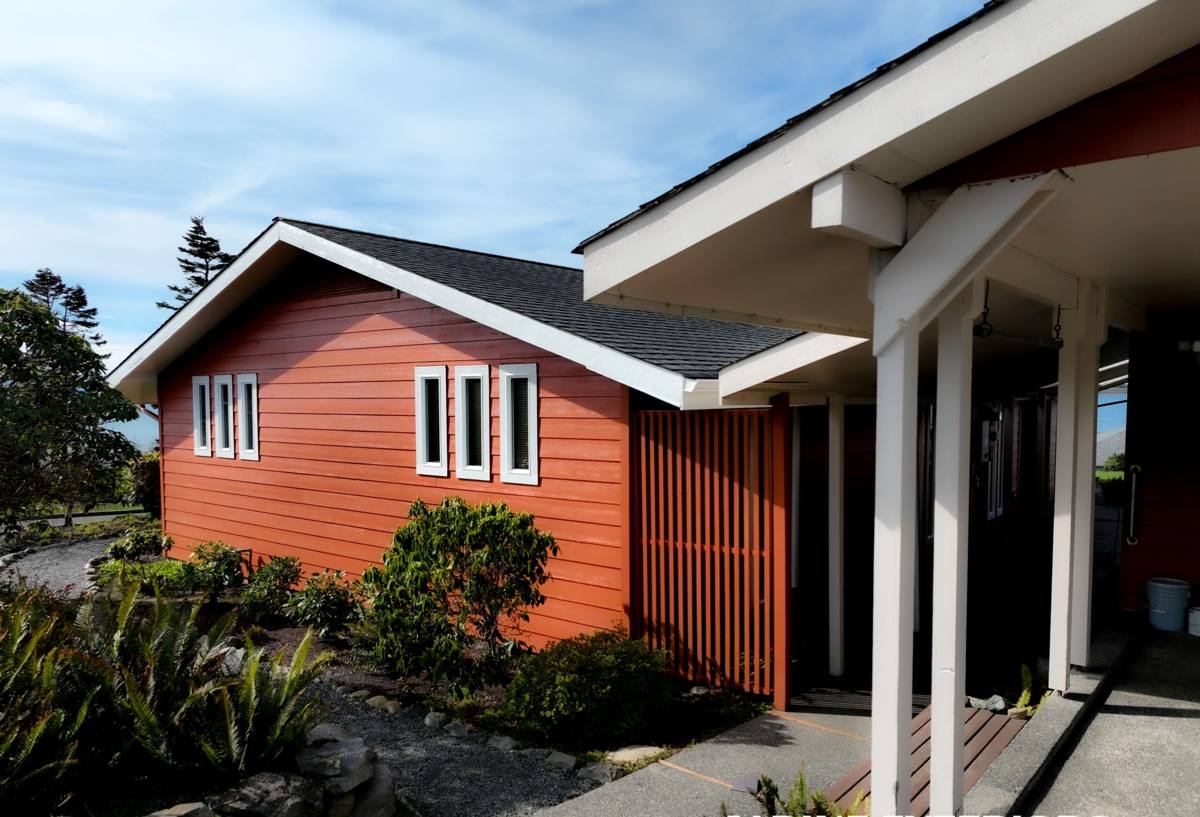
What Correct Custom Window Installation Involves
"Custom" windows means the unit is built or selected to fit the actual opening and the actual home — not a generic stock size forced into place with extra trim to hide the gaps. In a neighborhood with as much variation in home age as Sunnyland, that matters. A 1940s bungalow and a 1990s remodel don't have the same rough openings, wall depth, or trim details, and treating them the same is how you end up with drafts, uneven reveals, or water paths that weren't there before.
Matching the Opening, Not Just the Glass
Before anything is ordered, the opening gets measured for square, plumb, and level — not assumed. Older homes settle, and it's common to find openings that are slightly out of square even if they look fine from across the room. That affects how the new window needs to be shimmed, sealed, and trimmed to operate correctly and shed water the way it's designed to.
Flashing and Weatherproofing Details
This is the part that determines whether a window leaks in five years or lasts the life of the house. Proper installation means a sloped sill pan so water drains outward instead of pooling, correctly lapped flashing tape integrated with the existing weather-resistive barrier, and sealant used at the right joints — not everywhere, which can trap moisture instead of releasing it. Given how much wind-driven rain this area sees, skipping or rushing these steps is the single biggest cause of window-related water damage we see in older homes.
Choosing the Right Window for Sunnyland's Older and Newer Homes
There's no single "best" window material — the right choice depends on the home's age, exposure, and how much upkeep the owner wants to do. Here's how the common options stack up for this specific climate:
| Frame Material | Moisture Resistance | Maintenance | Typical Lifespan |
|---|---|---|---|
| Vinyl | Good — won't rot, but seams can degrade with UV and age | Low | 20–30 years |
| Fiberglass | Very good — dimensionally stable, resists warping | Low | 30–40+ years |
| Wood | Fair — needs protective finish maintained to prevent rot | High | 30+ years with upkeep |
| Wood-clad (wood interior, metal/vinyl exterior) | Good — exterior shell protects the wood core | Moderate | 25–35 years |
For a marine climate like Bellingham's, fiberglass and quality vinyl tend to hold up with the least fuss. Wood and wood-clad windows still make sense where matching original architectural character is a priority — but that decision should be made with eyes open about the added maintenance, particularly on sun-exposed or rain-facing walls.
Preserving Craftsman and Bungalow Character
A number of Sunnyland's older homes have craftsman or bungalow-style details — divided lites, wider trim profiles, specific sash proportions. Custom windows let you keep that look with modern glazing and weatherproofing behind it, rather than replacing character windows with something generic that changes the whole feel of the house. This is one of the clearest reasons to go custom instead of off-the-shelf in this neighborhood.
Signs Your Current Windows Are Failing
Window problems are often gradual, so homeowners get used to them before recognizing they're actually a problem. Watch for:
- Fog or moisture trapped between panes (a failed seal on double- or triple-pane glass)
- Noticeable drafts near the frame even when the window is closed and locked
- Sashes that are painted shut, stick, or are difficult to open and close
- Soft, discolored, or crumbling wood at the sill or bottom corners of the frame
- Visible moss, algae, or persistent mildew staining on sills or trim
- Condensation forming on the interior glass or frame during cold, wet weeks
- Rising energy bills without a clear other explanation
- Visible daylight or gaps between the frame and the surrounding wall or trim
What Affects the Cost of Custom Windows
Costs vary a fair amount from house to house. The main factors are usually:
| Factor | Why It Matters |
|---|---|
| Number and size of windows | More or larger openings mean more material and labor |
| Frame material | Vinyl is typically the most budget-friendly; fiberglass and wood cost more |
| Full-frame vs. insert replacement | Full-frame replaces down to the rough opening; inserts fit into the existing frame and cost less but aren't right for every situation |
| Glazing options | Double vs. triple pane, low-E coatings, and gas fills add cost but improve comfort and efficiency |
| Access and story height | Second-story or hard-to-reach windows take more time and equipment |
| Trim and siding repair | Rot or water damage found during removal adds scope but should always be fixed, not covered up |
We'll always walk through these factors on-site before giving a number, and we'll flag anything — like hidden rot — before it becomes a surprise mid-project.
Our Installation Process, Step by Step
- On-site assessment — we look at every opening, check for existing water damage or rot, and talk through what you actually need from each window.
- Accurate measurement — openings are measured for true size, square, and depth so the windows we order fit correctly the first time.
- Product selection — we go over frame material, glazing, and style options suited to the home's age and exposure, not a one-size pushed default.
- Careful removal — old units come out with attention to the surrounding trim, siding, and framing so we can catch any hidden moisture damage.
- Flashing and sealing — sill pans, flashing tape, and sealant are installed to shed water outward, matched to what this climate demands.
- Installation and adjustment — windows are shimmed, leveled, and fastened so they operate smoothly and seal tightly.
- Interior and exterior finish work — trim, caulking, and touch-up are completed to match the home.
- Final walkthrough — we test operation and locks on every window with you before calling the job done.
Why a Crew That Works Sunnyland Regularly Matters
Window work in an established neighborhood like Sunnyland is different from working on a brand-new build. Older openings are rarely perfectly square, siding and trim details vary block to block, and homes closer to mature tree cover deal with more consistent shade and moisture on certain walls. A crew that regularly works this specific part of Bellingham has already seen the common issues — settled framing, old paint layers, out-of-code trim profiles — and knows how to work around them without cutting corners or creating new problems.
Local crews are also easier to reach for a warranty callback or a question six months after the job. You're not waiting on someone to drive in from out of the county, and you're working with people who understand Whatcom County's permitting and building requirements for window replacement without having to relearn them on your job.
Energy Performance and Comfort Year-Round
Bellingham's climate doesn't hit extreme heat or extreme cold most years, but it does deliver a lot of damp, chilly weeks where drafts and cold glass make a home feel colder than the thermostat says. Modern glazing — low-E coatings, insulated frames, proper gas fills between panes — cuts down on that cold-radiating feeling near windows and reduces the moist, drafty air movement that helps mildew take hold indoors near sills and glass. Correctly installed windows also reduce condensation, which matters directly for indoor air quality during the long wet season.
Ready for an Estimate?
If your windows in Sunnyland are drafty, foggy, hard to open, or just showing their age, we're happy to take a look and give you an honest read on what's going on — no pressure, no upsell script. Fill out the form below for a free estimate.