 Bellingham Siding
 Storm Damage Roof Repair in York, Bellingham
York is one of Bellingham's older, established residential neighborhoods, with a mix of early-to-mid-century homes and newer infill construction sitting under a mature tree canopy. That combination — older roof framing, big trees, and proximity to Bellingham Bay — means storm damage here doesn't always look dramatic. It's often a lifted shingle tab, a cracked ridge cap, or a slow leak that started during a windstorm months ago and has been quietly rotting sheathing ever since. Whatcom County's weather doesn't do most homeowners any favors either: the same driving rain and salt-tinged air that makes this a beautiful place to live is also what ages a roof faster than it would inland.
This page covers what storm damage repair actually involves for a York home specifically — not a generic "we fix roofs" pitch, but what we look for, how we prioritize repairs, and why a crew that already knows this neighborhood's housing stock gets it right the first time.
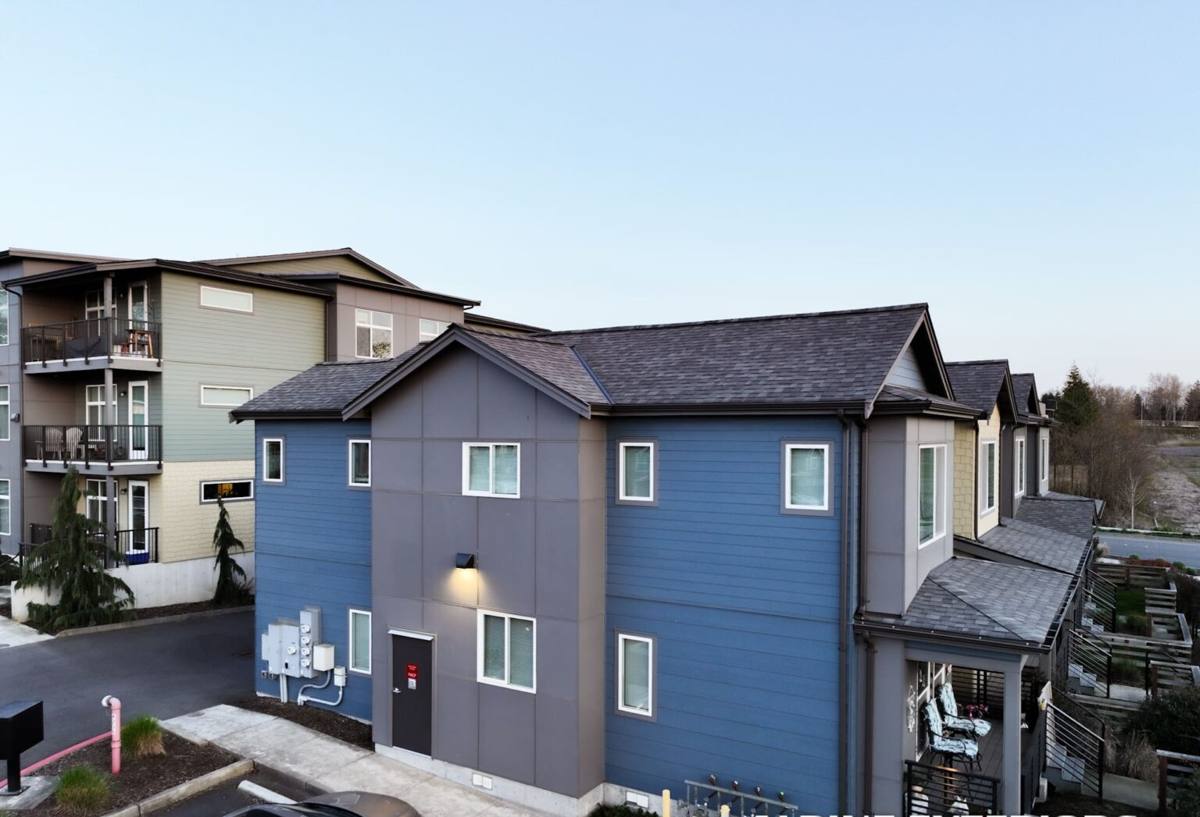
What Bellingham Storms Actually Do to a Roof
Most of the storm damage we see in York traces back to a handful of repeating weather patterns rather than one big catastrophic event:
Wind-driven rain
Whatcom County storms tend to bring rain sideways, not straight down. That matters because a roof system is designed to shed water moving downhill — not water being pushed uphill under a shingle tab or sideways through a vent. Wind-driven rain finds every marginal seal: nail pops, worn pipe boots, hairline cracks in old flashing.
Wind gusts and falling debris
York's mature trees are part of the neighborhood's character, but branches and cones coming down in a gust are a leading cause of cracked shingles, dented gutters, and punctured underlayment. Damage from a falling limb is sometimes obvious; damage from a smaller branch skittering across the roof face often isn't, until it's leaking.
Salt air corrosion
Being close to the water means metal components — flashing, fasteners, gutter hangers — corrode faster here than they would twenty miles inland. A storm that would barely stress a roof in a drier climate can be the final straw for flashing that's already thinned out from years of salt exposure.
Extended moss season
Bellingham's moss season runs long — mild, wet winters and shady, tree-covered lots like many in York keep roofs damp for weeks at a time. Moss holds moisture against the shingle surface, works its way under tabs, and lifts them just enough for a storm to finish the job. A roof that looks "just a little mossy" is often already storm-vulnerable before the storm arrives.
Signs Your Roof Needs a Storm Damage Inspection
Storm damage is rarely as obvious as a missing shingle. Here's what we tell York homeowners to check after any significant wind or rain event:
- Granules collecting in gutters or at downspout outlets (a sign of shingle surface wear or impact)
- Shingle tabs that look lifted, curled, or creased, especially on the side of the roof facing prevailing wind
- New or worsening moss growth clustered around a specific area, which can indicate water is sitting where it shouldn't
- Water stains on interior ceilings or in the attic, even faint ones
- Dented or bent flashing around chimneys, skylights, or roof-to-wall junctions
- Gutters pulling away from the fascia or sagging after heavy rain
- Soft spots when walking the roof deck (from the ground or during inspection only — never walk a roof you suspect is damaged)
- A sudden increase in indoor humidity or a musty smell in upstairs rooms
What a Correct Storm Damage Repair Actually Involves
Emergency stabilization first
If a storm has left an active leak or exposed decking, the first job is stopping water intrusion — tarping, temporary flashing, or sealing an exposed area — before any permanent repair work happens. This isn't optional cosmetic work; a few more hours of exposure can turn a shingle repair into a decking replacement.
Full damage assessment, not just the obvious spot
A homeowner usually calls about one visible problem — a stain on the ceiling, a shingle in the yard. A correct repair means checking the whole roof plane, not just patching what's visible, because wind and moss damage rarely stay confined to one spot.
Decking and sheathing check
Any area with a confirmed leak gets checked for soft, delaminated, or rotted decking underneath. Replacing shingles over compromised decking just hides the problem and guarantees a repeat call.
Flashing and penetration repair
Chimneys, skylights, vent pipes, and roof-to-wall transitions are where most storm leaks actually originate, even when the damage shows up somewhere else on the ceiling. Flashing gets inspected and resealed or replaced as part of the repair, not left in place because "it's not what leaked this time."
Matching materials, not improvising
Repairs use shingles and components that match the existing roof system as closely as possible in profile, color, and manufacturer specification, so the repair blends in and doesn't create a new weak seam where old and new materials meet.
Repair or Replace? Cost Factors for York Homes
Not every storm-damaged roof needs full replacement, but it's worth understanding what actually drives that decision rather than guessing:
| Factor | Leans toward repair | Leans toward replacement |
|---|---|---|
| Roof age | Under 10-12 years, still within expected lifespan | Near or past the shingle's rated life |
| Extent of damage | Isolated to one section or slope | Spread across multiple roof planes |
| Decking condition | Solid, no rot found | Soft or delaminated in multiple spots |
| Moss/moisture history | Minor, recently treated | Long-term growth with underlayment saturation |
| Shingle availability | Matching shingles still available | Discontinued line, visible mismatch likely |
Broadly, homeowners in York should expect storm damage repairs to fall in the range of a few hundred dollars for a minor, isolated fix up to several thousand for multi-area repairs involving decking replacement. Full roof replacement is a larger investment, but we'll always tell you honestly when a roof is a better candidate for repair than replacement — recommending a repair we're confident in is better for our reputation in this neighborhood than pushing a replacement someone doesn't need yet.
Our Process for a York Storm Damage Repair
- Inspection. We walk the roof (weather permitting) and check the attic from inside, looking for both the reported damage and anything storm-related nearby.
- Written findings. You get a clear explanation of what's damaged, what's causing it, and what repair options actually make sense — no upsell to a full tear-off if a targeted repair will hold.
- Straightforward estimate. Pricing broken out by area of work, so you know what you're paying for.
- Repair work. Matched materials, proper flashing detail, and decking replacement where needed — not just a shingle swap over a hidden problem.
- Cleanup and final check. Debris and old materials removed, and a final look to confirm the repair is watertight before we call it done.
Working With Insurance on Storm Damage
Many storm damage repairs in Whatcom County involve a homeowner's insurance claim, particularly after a named wind event. We can document damage clearly — photos, notes on cause and extent — which helps support a claim, but we're not a public adjuster and we won't promise a claim outcome we don't control. What we can promise is an honest, specific description of what happened to your roof and what it will take to fix it correctly, which is what most adjusters actually need to process a claim fairly.
Why Hire a Crew That Already Works in York
York's housing stock has enough age and variety — older framing here, a newer addition there, roofs that have been re-covered once or twice already — that knowing the neighborhood actually changes how a repair gets approached. A crew that's already worked on nearby roofs has a feel for how local homes were originally built, what's typically hiding under a second layer of shingles, and which storm patterns hit this part of Bellingham hardest. That's the difference between a repair that's guessed at and one that's based on what's actually likely to be going on.
Being local also means faster response after a storm, when timing matters most for limiting water damage, and a crew that's accountable to a neighborhood it keeps coming back to — not a storm-chasing outfit that's gone once the check clears.
Get a Free, No-Pressure Estimate
If a recent storm has you wondering whether your York home's roof needs attention — or you just want a second opinion on something you noticed after the last windstorm — we're happy to take a look. There's no cost and no pressure to sign anything on the spot. Use the form below to request your free estimate.