 Bellingham Siding
 Asphalt Shingle Roofing Built for Lynden's Weather
Lynden sits inland from Bellingham Bay in the Nooksack River valley, but "inland" in Whatcom County still means a long wet season, persistent marine-influenced humidity, and enough moss and organic growth to shorten the life of a roof that wasn't installed with this climate in mind. An asphalt shingle roof that would hold up fine in a dry inland climate can start showing granule loss, moss lines, and soft decking within a decade here if the underlayment, ventilation, and flashing details weren't done right the first time.
This page covers what asphalt shingle roofing actually needs to hold up in Lynden and the surrounding county, what a correct installation involves, and how our process works from estimate to cleanup. It's written for homeowners trying to figure out whether they need a repair, a full replacement, or just better maintenance.
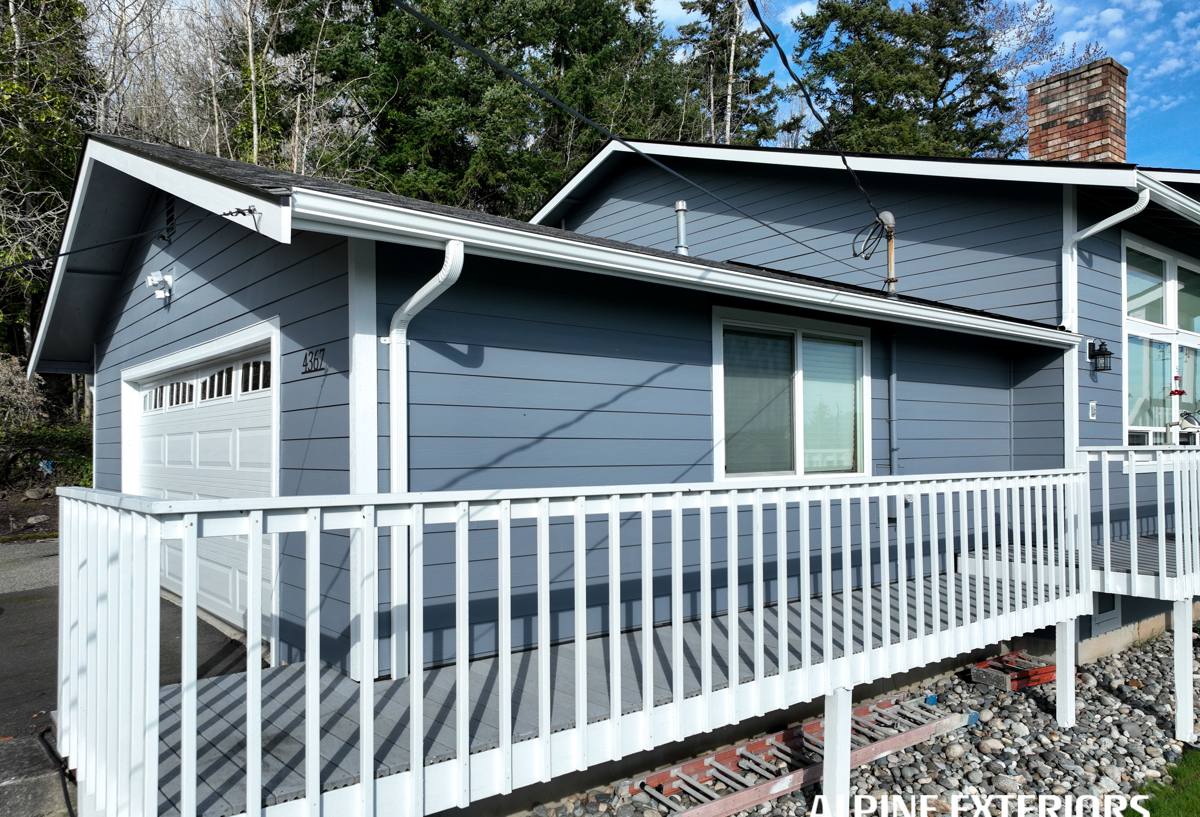
What Whatcom County's Climate Does to a Shingle Roof Over Time
Moisture That Never Fully Lets Up
Whatcom County gets a long, steady wet season rather than short heavy downpours. That matters for roofing because shingle underlayment and flashing spend months at a time damp, not just hours. Cheap felt underlayment or corner-cut flashing details that would survive an occasional storm elsewhere tend to fail here through slow, repeated exposure — water finds the weak point eventually, not on the first rain but the hundredth.
Moss, Algae, and Organic Growth
Shaded roof sections, north-facing slopes, and areas under overhanging trees are where moss takes hold first. Moss isn't just cosmetic — it holds moisture against the shingle surface, lifts shingle edges as it grows, and works its root structure into granule surfaces over time. A roof with a heavy moss season and no maintenance plan will wear noticeably faster than the same roof kept clean.
Wind-Driven Rain and Temperature Swings
Storms moving through the county often bring rain sideways, not straight down, which pushes water up under shingle tabs and around penetrations like vents and chimneys unless flashing and sealant details are done correctly. Add in the occasional cold snap and freeze-thaw cycle, and any place where water can pool or back up — valleys, eaves, low-slope sections — becomes a weak point if it wasn't detailed for that possibility.
What a Correct Asphalt Shingle Installation Actually Involves
A shingle roof is a system, not just a layer of shingles nailed to plywood. In a climate like this one, skipping or shortcutting any layer of that system shows up as a problem within a few years, not decades.
- Tear-off and deck inspection: old roofing removed down to the deck, with soft or water-damaged sheathing identified and replaced rather than roofed over.
- Ice-and-water shield at vulnerable areas: a self-adhering waterproof membrane at eaves, valleys, and around penetrations, where wind-driven rain and ice are most likely to find a gap.
- Synthetic underlayment across the field: a water-resistant barrier under the shingles that holds up through a long wet installation season better than old-style felt.
- Drip edge and starter strip: metal edging and a proper starter course so the first row of shingles is fully sealed against wind lift at the roof's most exposed edge.
- Correct nailing pattern: shingles nailed per the manufacturer's pattern and nail count, not "however many looked right" — this is the difference between a wind-rated roof and one that isn't.
- Step and counter flashing at walls and chimneys: individually woven flashing pieces, not just a bead of sealant, at every place a roof plane meets a vertical surface.
- Balanced ventilation: intake at the soffits and exhaust at the ridge, sized to move air through the attic and control the moisture and heat that shorten shingle life from underneath.
Choosing a Shingle Tier
Not every roof needs the top-tier product, but in a climate this wet, we're honest about where the cheapest option tends to disappoint.
| Shingle Type | Typical Lifespan | Wind Rating | Best Fit |
|---|---|---|---|
| 3-tab (economy) | 15–20 years | Lower | Budget-driven projects, secondary structures |
| Architectural / dimensional | 25–30 years | Higher, wind-rated | Most Lynden homes — the standard we recommend |
| Premium / designer | 30+ years | Highest | Steep-slope, high-visibility, or algae-resistant needs |
Architectural shingles are heavier, seal down more securely against wind-driven rain, and generally carry algae-resistant granule options — a real advantage in a climate with a long moss season. For most homes in and around Lynden, that mid tier is the sweet spot between upfront cost and how the roof actually performs over its life.
Signs a Lynden Roof Needs Repair or Replacement
Roof damage in this climate is often gradual, so it's easy to miss until there's an active leak. A few minutes checking these from the ground or attic can catch problems early.
- Granules collecting in gutters or at downspout outlets
- Dark streaking or visible moss/algae patches, especially on shaded or north-facing slopes
- Curling, cupping, or cracked shingle tabs
- Missing shingles or exposed nail heads after a windstorm
- Soft spots or sagging when walking the roof (a sign of deck damage, not just a surface issue)
- Water stains or discoloration on interior ceilings or in the attic
- Rusted, lifted, or gapped flashing around chimneys, vents, and skylights
- Daylight visible through the roof deck from inside the attic
One or two of these usually means a repair. Several at once, especially combined with roof age past 20 years, usually means it's time to talk about replacement before a repair becomes a pattern of repairs.
Our Process, Start to Finish
1. Inspection and Estimate
We walk the roof (not just look at it from the ground), check the attic for ventilation and moisture issues, and give you a written estimate that explains what we're proposing and why — no pressure, no scare tactics.
2. Material Selection
We go over shingle tier, color, and any ventilation or flashing upgrades the roof needs, based on what we actually found during inspection, not a one-size-fits-all package.
3. Scheduling Around the Weather
Asphalt shingles need to be installed within a dry weather window and at the right temperature to seal properly. We plan around Whatcom County's forecast rather than rushing a job into a wet stretch, which is exactly the kind of shortcut that causes early failures.
4. Tear-Off and Deck Repair
Old roofing comes off completely so we can see the deck underneath. Any soft, delaminated, or water-damaged sheathing gets replaced before a single new shingle goes down.
5. Installation
Underlayment, ice-and-water shield, flashing, and shingles go in per manufacturer specification, with the ventilation system balanced as part of the job, not treated as optional.
6. Cleanup and Walkthrough
We do a magnetic sweep for stray nails, clear debris, and walk the finished roof and attic with you so you know exactly what was done and what your warranty covers.
Ventilation and Moisture Control Matter as Much as the Shingles
A shingle roof fails from two directions: weather from above and trapped moisture from below. In a humid climate like this one, an attic without balanced intake and exhaust ventilation traps warm, moist air against the underside of the deck, which shortens shingle life and can lead to rot or mold that has nothing to do with the shingles themselves. Getting ventilation right during a re-roof is one of the most overlooked ways to add years to a roof's life — and one of the easiest things to get wrong if it's treated as an afterthought.
What Affects the Cost
| Factor | Why It Matters |
|---|---|
| Roof pitch and complexity | Steep or cut-up roofs (multiple valleys, dormers) take longer and use more material |
| Number of existing layers | Tearing off multiple old layers adds labor and disposal cost |
| Deck condition | Rotted or soft sheathing needs replacement before shingles go on |
| Shingle tier | 3-tab, architectural, and premium products carry different material costs |
| Ventilation upgrades | Adding or rebalancing intake/exhaust vents adds material and labor |
| Flashing scope | Chimneys, skylights, and multiple wall intersections add detail work |
We don't quote a number until we've actually inspected the roof — anything given without that step is a guess, not an estimate.
Maintenance That Actually Extends Roof Life Here
A well-installed asphalt shingle roof in this climate still benefits from a little upkeep. None of this is complicated, but it's the difference between a roof that reaches its full lifespan and one that doesn't.
- Keep gutters and downspouts clear so water isn't backing up under the eaves
- Trim back overhanging branches to reduce shade and debris buildup, which slows moss growth
- Have moss physically removed rather than left to spread — scraping and treatment, not pressure washing, which can strip granules
- Schedule a roof check after major windstorms, not just once a year
- Address small leaks or lifted shingles promptly rather than waiting for them to worsen
Why Hiring a Crew That Already Works in Lynden Matters
Roofing crews that work across Whatcom County regularly know which details actually matter here — where moss tends to take hold first on a given roof orientation, how much ventilation an older Lynden-area home typically needs, and how to schedule a job around a wet forecast instead of gambling on it. That local pattern recognition is different from general roofing knowledge, and it shows up in fewer callbacks and a roof that performs the way it's supposed to for its full warranty period.
If your roof is showing early signs of wear, or you're just trying to figure out whether repair or replacement makes more sense, we're glad to take a look and give you a straight answer. Request a free, no-pressure estimate using the form below.