 Bellingham Siding
 Siding That Has to Work Harder in Barkley
Barkley sits close enough to Bellingham Bay that homes here deal with a steady mix of salt-laden air, wind-driven rain off the Sound, and the kind of long, wet shoulder seasons that define this stretch of Whatcom County. Wood-based and lower-grade siding products age faster under these conditions than they would further inland. Moisture gets trapped behind panels, algae and moss take hold on north-facing walls and anything shaded by mature trees, and salt air accelerates corrosion on fasteners and trim that weren't specified for coastal exposure.
None of that is unusual for the Pacific Northwest, but it does mean siding decisions in Barkley should be made with this specific climate in mind, not a generic national spec sheet. That's the lens we bring to every James Hardie install we do in this neighborhood.
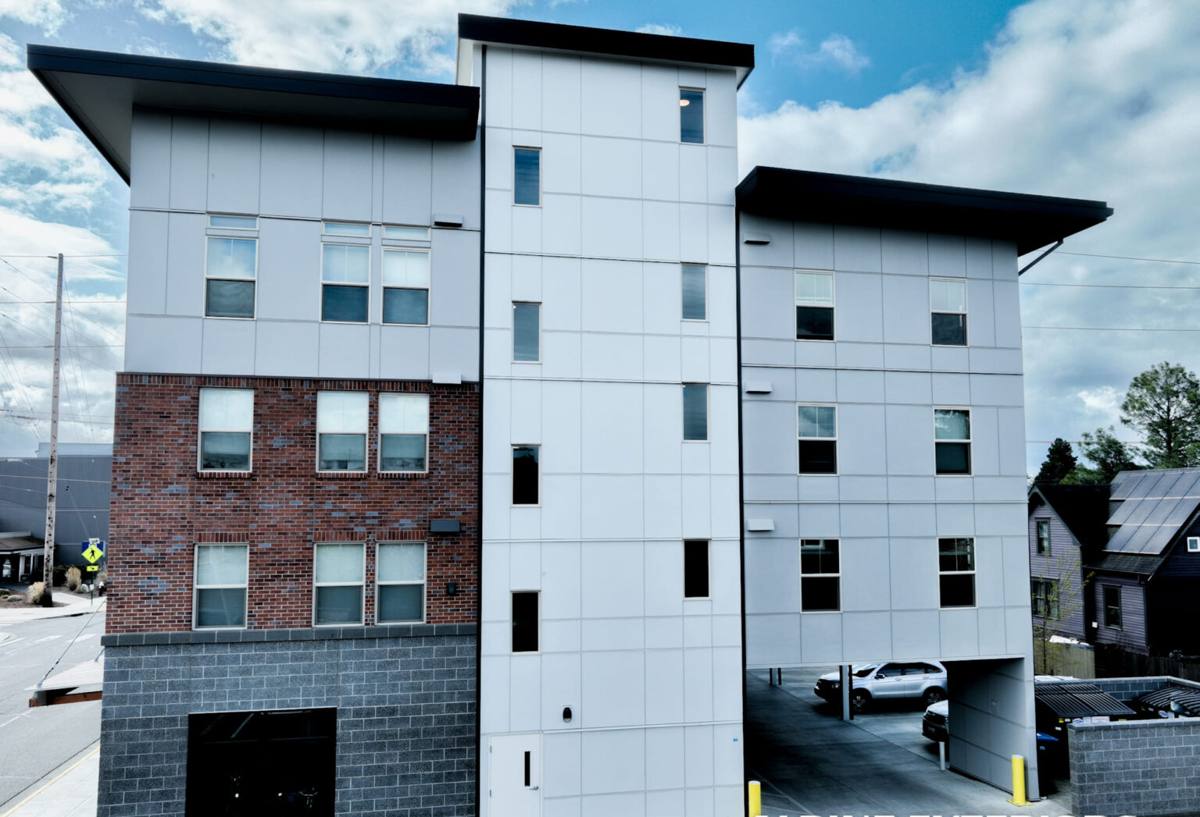
What Barkley's Climate Actually Does to Siding
Salt Air and Corrosion
Proximity to the bay means a fine, near-constant film of salt-laden moisture settles on exterior surfaces. Over years, that accelerates the breakdown of untreated fasteners, cheap trim coil, and paint films that aren't formulated to resist salt exposure. It's a slow process, which is exactly why it gets overlooked until a repaint or repair reveals corrosion that's been building for a decade.
Driving Rain
Storms coming off the water don't just fall straight down — they drive rain sideways into wall assemblies, which puts real stress on laps, seams, and butt joints. A siding system with poor water-shedding geometry, or one installed with tight or caulked joints instead of proper overlap and drainage, will eventually let water behind the cladding.
The Long Moss Season
Whatcom County's wet season runs long, and shaded or north-facing walls in Barkley stay damp for extended stretches. That's ideal growing conditions for moss and algae, which hold moisture against the siding surface and, over time, degrade paint films and any substrate that isn't genuinely rot-resistant.
Why James Hardie Fiber Cement Fits This Climate
James Hardie siding is fiber cement — sand, cement, and cellulose fiber, engineered and pressed under high pressure, then cured. It doesn't absorb water the way wood-based products do, and it won't rot, delaminate, or feed the kind of organic growth that thrives on cellulose-based sidings in a climate like ours. For homes exposed to salt air and driving rain, that's the difference between siding that shrugs off the weather and siding that's fighting a losing battle from year one.
James Hardie also engineers its products by climate zone (HZ5 for the Pacific Northwest), which accounts for freeze-thaw cycling and sustained moisture exposure rather than treating every region the same. Add the factory-applied ColorPlus finish — baked on under controlled conditions rather than field-applied — and you get a color coat that resists fading, chipping, and the kind of early wear that shows up fast on a house getting hit with sideways rain and salt air.
This is also why we install James Hardie exclusively and don't offer vinyl, LP SmartSide, Cemplank, Allura, or wood siding. Those products all have legitimate uses in the right setting, but for the specific combination of salt exposure, driving rain, and long wet seasons that Barkley homes deal with, we've found fiber cement built to Hardie's spec — installed correctly — holds up with the least long-term maintenance burden. We'd rather stand behind one system we know inside and out than offer a menu of products with very different moisture profiles.
What a Correct Installation Actually Involves
James Hardie siding is only as good as the installation behind it. A rushed or improperly detailed install can undercut even the best cladding material, especially in a climate that gives water every opportunity to find a way in. A correct job includes:
- A weather-resistive barrier installed and lapped correctly behind the siding, with all penetrations properly flashed
- Rain-screen or drainage gap details where the wall assembly calls for it, so moisture that does get behind the cladding can escape
- Correct fastener type, spacing, and embedment per James Hardie's published fastening schedule — not shortcuts that void the warranty
- Proper clearance between siding and grade, decks, roof lines, and other transitions where water tends to collect
- Factory-mitered or properly caulked joints at butt seams, with the right sealant for a coastal-exposure climate
- Trim, flashing, and fastener hardware rated for the corrosion exposure this area sees
Skip any one of these steps and you can end up with a product that looks right for a few years but fails to deliver the 30+ year performance James Hardie siding is capable of. This is the part of the job that doesn't show up in a photo but determines whether the investment holds up.
Our Process for Barkley Projects
1. On-Site Assessment
We walk the home, note exposure direction, existing moisture damage, trim condition, and any areas — shaded walls, spots near sprinklers or downspouts, low clearance zones — that need extra attention given Barkley's conditions.
2. Tear-Off and Substrate Check
Old siding comes off and we inspect the sheathing underneath. Any rot or moisture damage from a failed prior system gets addressed before anything new goes on — covering up a compromised substrate just hides the problem.
3. Weather Barrier and Flashing
This is the step that actually keeps water out long-term. We install and detail the weather-resistive barrier and flashing to the standard the climate demands, not the minimum code allows.
4. Hardie Installation
Panels or lap siding go on per James Hardie's fastening and clearance specs, with attention to butt joints, corners, and penetrations — the details that determine how the wall performs in driving rain.
5. Final Walkthrough
We review the finished work with the homeowner, confirm caulking and trim details, and make sure everything is buttoned up before we call the job done.
Choosing a Product Line and Color
James Hardie makes several siding profiles, and the right one depends on the home's style and how much of the existing look you want to preserve or change.
| Product | Look | Best Fit For |
|---|---|---|
| HardiePlank Lap Siding | Traditional horizontal lap | Most Barkley home styles, from craftsman to contemporary |
| HardieShingle | Staggered or straight-edge shingle | Accent gables, dormers, or a full cottage-style exterior |
| HardiePanel | Vertical panel with battens | Modern builds and mixed-material accent walls |
| HardieTrim | Smooth or woodgrain boards | Corners, fascia, and window/door surrounds on any of the above |
ColorPlus finishes come in a range of tones that hold up to UV and salt exposure better than field-applied paint. For homes that get direct afternoon sun off the water, darker colors will run slightly warmer and should be discussed against the specific product's heat-sensitivity rating; for shaded or north-facing walls, color choice matters less than making sure drainage and airflow are handled correctly to keep moss from taking hold in the first place.
Cost Factors Homeowners in Barkley Should Know
| Factor | Why It Matters Here |
|---|---|
| Substrate condition | Rot repair from a prior wood or vinyl system's moisture damage adds cost but is not optional |
| Home height and access | Multi-story homes and tight side yards common in newer Barkley construction affect labor time |
| Trim and detail complexity | Gables, dormers, and mixed-material accents take more time to flash and finish correctly |
| Product line mix | Combining lap, shingle accents, and trim costs more than a single flat product run |
| Color selection | Standard ColorPlus colors versus premium or custom-matched tones affect material pricing |
We don't publish blanket per-square-foot pricing because these factors genuinely shift the number from house to house — a straightforward lap-siding job on a simple elevation costs meaningfully less than a home with multiple gables, shingle accents, and extensive trim work. A walkthrough gets you a real number.
Keeping Moss and Algae From Taking Hold
Even with a correctly installed Hardie system, Barkley's wet season means north-facing and shaded walls need occasional attention to stay clean. A short annual routine goes a long way:
- Rinse siding gently once a year, focusing on shaded walls and areas under overhangs
- Keep gutters clear so overflow isn't running down the wall face
- Trim back vegetation that's shading siding or holding moisture against it
- Check caulked joints annually and re-caulk if you see cracking or gaps
- Address any moss growth early with a gentle wash rather than pressure-washing, which can damage the finish
This is far less maintenance than wood siding demands, but it's not zero-maintenance — and homeowners who go in with realistic expectations get the most out of the material.
Why Hiring a Crew That Knows Barkley Matters
A contractor who's worked this specific area understands which walls take the worst of the driving rain, where salt air does the most damage to trim and fasteners, and which parts of a home need extra flashing attention because of how the property sits relative to sun and wind exposure. That local knowledge shows up in details a generic installer might miss — details that are the actual difference between siding that performs for decades and siding that needs early repairs.
If you're planning a siding project for a Barkley home, we're happy to walk the property, look at what you're currently dealing with, and give you a straightforward assessment of what correct James Hardie installation would involve — no pressure, no inflated estimate. Reach out below to schedule a free consultation.