 Bellingham Siding
 Window Replacement for Barkley Homes
Barkley sits close enough to Bellingham Bay that its homes take on a specific mix of weather stress: salt-tinged air drifting up from the water, driving rain that comes in sideways during winter storms, and a moss season that stretches from fall through spring. Windows in this part of Whatcom County don't fail because of one big event — they fail slowly, from years of moisture finding its way past worn seals, swollen wood sash, or flashing that was never detailed for this climate to begin with. If you're noticing fogged glass, drafts, sticking sashes, or soft trim around your windows, that's usually the tail end of a problem that's been building for a while.
We work Barkley regularly, along with the rest of Bellingham and greater Whatcom County, so we're not guessing at what holds up here. We know which details matter on a house exposed to this much wind-driven rain, and which shortcuts show up as call-backs two winters later.
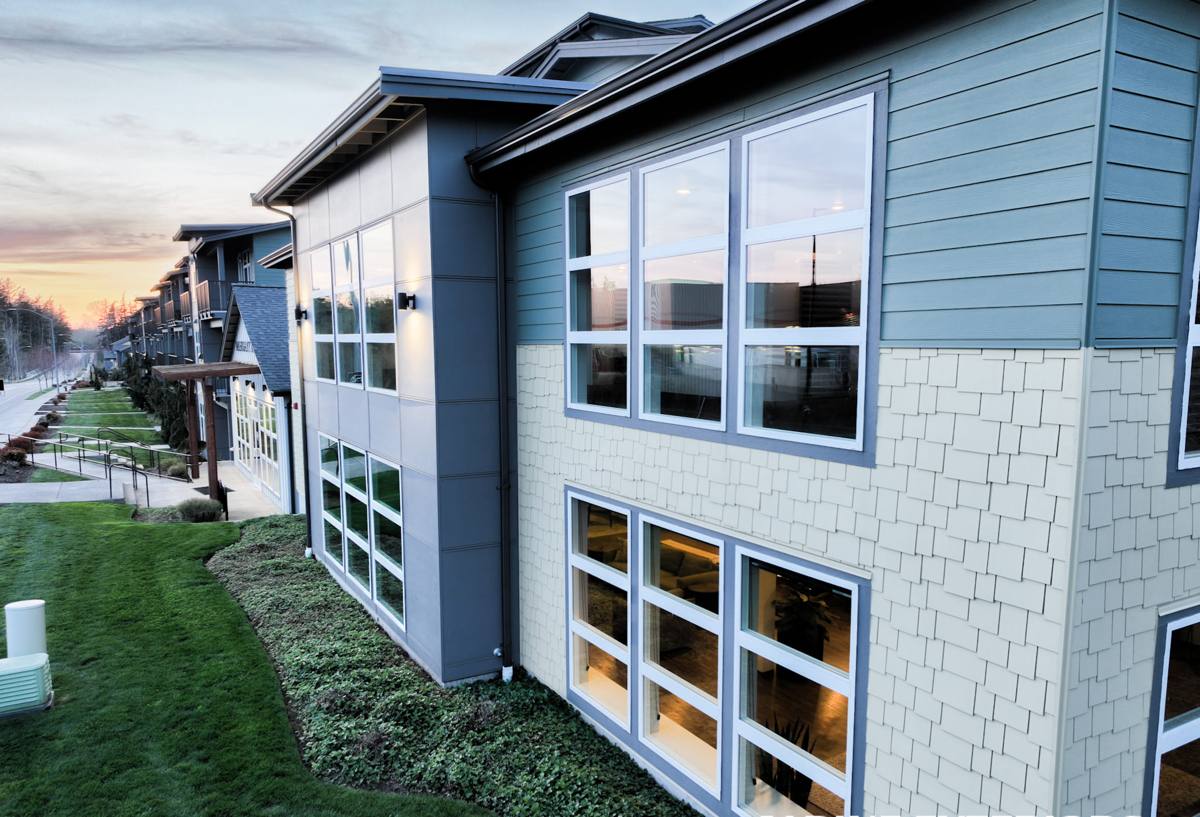
Why This Climate Is Hard on Windows
Wind-Driven Rain
Bellingham's rain rarely falls straight down. Storms off the Strait push moisture sideways against west- and south-facing walls, which means window flashing and sill pans have to do real work, not just sit there for show. A window that's caulked in but not properly flashed will eventually let water track behind the frame and into the wall cavity, where it can sit unnoticed for months.
Salt Air
Proximity to the bay means airborne salt settles on exterior surfaces over time. It accelerates corrosion on hardware, fasteners, and lower-grade metal components, and it can degrade certain finishes faster than manufacturers' warranties assume for a typical inland installation.
Moss and Constant Moisture
A long moss season means more organic growth and standing dampness around window sills, trim, and anywhere water can pool instead of shed. Moss holds moisture against wood and painted surfaces far longer than open air would, which speeds up rot in older sills and casings.
Signs Your Barkley Home Needs Window Replacement
- Fogging or a visible haze between the glass panes (failed seal on double-pane units)
- Windows that are hard to open, close, or lock — often swollen wood or a warped frame
- Cold drafts near the window even when it's fully closed
- Soft, spongy, or discolored wood on the sill, jamb, or exterior trim
- Visible gaps between the window frame and the siding or trim
- A noticeable jump in heating costs with no other explanation
- Condensation collecting on the inside of the glass regularly in colder months
Any one of these on its own might just need a repair. Several together, especially on an older home, usually point to windows that are past the point where patching makes sense.
What a Correct Window Replacement Involves
Replacing a window isn't just popping the old unit out and setting a new one in the same hole. Done right, especially in a climate like this, it's a sequence where each step protects the next:
- Remove the old window carefully — without tearing up more siding or trim than necessary, and checking the condition of the rough opening as we go.
- Inspect the opening for rot or moisture damage — this is where a lot of hidden problems get found. If the sill or framing has soaked up water over the years, it gets addressed before anything new goes in, not covered up.
- Install a proper sill pan and flashing — this is the single most important step for a house exposed to driving rain. The sill pan gives any water that does get past the window a way out, instead of a place to collect.
- Set the new window plumb, level, and square — a window that's slightly out of square will bind, leak, or wear its hardware out early.
- Air-seal and insulate the gap around the frame — with the right materials, not just a bead of caulk over a wide gap.
- Weatherproof the exterior — flashing tape, sealants rated for this climate, and trim work that sheds water rather than trapping it.
- Finish and clean up — interior and exterior trim reset, hardware checked, and the site left the way we found it.
Choosing the Right Window for This Location
Frame Material
Vinyl and fiberglass frames generally hold up well against salt air and constant moisture with minimal upkeep. Wood windows can look great and perform well too, but they need more consistent maintenance — repainting, sealing, and periodic inspection — to keep moisture from working into the wood over time. We'll walk you through the trade-offs honestly rather than pushing whatever's easiest to install.
Glass Package
Double-pane, low-E glass is the practical baseline for this area — it cuts down on heat loss during our wet, cool winters and helps with the intense afternoon sun some Barkley lots get in summer. Triple-pane is worth discussing for north-facing rooms or homes right along busier streets, but it's not always necessary, and we'll say so if it isn't.
Hardware and Fasteners
Given the salt exposure, hardware quality matters more here than it would further inland. Cheaper fasteners and hinges corrode faster this close to the bay, which is part of why we don't cut corners on that spec even when it adds a small amount to the cost.
| Factor | What It Affects | Our Approach |
|---|---|---|
| Frame material | Long-term maintenance, salt resistance | Vinyl/fiberglass recommended for low-maintenance durability; wood available with maintenance plan discussed upfront |
| Flashing and sill pan | Water intrusion, wall rot | Always installed to shed wind-driven rain, never skipped to save time |
| Glass package | Energy bills, comfort near windows | Double-pane low-E standard; triple-pane where it genuinely pays off |
| Hardware grade | Corrosion resistance | Selected with salt-air exposure in mind, not just cost |
| Number of windows | Overall project cost and timeline | Honest phased-project options if replacing all windows at once isn't in the budget |
What It Typically Costs
Window replacement pricing depends heavily on window size, frame material, glass package, and whether we find hidden rot or structural issues once the old window is out. As a broad range, single-window replacement on a typical Barkley home can run anywhere from a modest per-window cost for a straightforward vinyl swap up to significantly more for larger units, premium materials, or openings that need framing repair. We won't give you a real number until we've actually looked at your windows — anything else is a guess.
What we can tell you upfront: if we find rot in the rough opening once your old window is out, we'll show it to you and explain the repair cost before doing the work, not after. No surprise invoices.
Why Hire a Crew That Already Works Barkley
A contractor who works this neighborhood regularly already knows the general housing stock, the typical age of construction in the area, and the specific weather exposure that comes with being this close to Bellingham Bay. That familiarity matters in small but real ways: knowing to check for a certain era's known flashing shortcuts, recognizing what normal moss-related wear looks like versus a bigger moisture problem, and not needing to relearn the local climate on your dime.
It also means faster response if something needs a follow-up look after the job — we're not driving in from across the county for a quick check.
Our Process, Start to Finish
- Free on-site estimate — we look at your actual windows and openings, not just photos
- Honest recommendation — including telling you if a window doesn't need full replacement yet
- Clear, written quote — no vague line items
- Scheduled installation — with a realistic timeline given weather and material lead times
- Careful removal and inspection — checking for hidden damage before install
- Proper flashing and sealing — built for this climate, not a generic install
- Final walkthrough — so you know exactly what was done and what to expect going forward
Maintaining Your New Windows
New windows still need occasional attention in this climate. Rinsing off salt residue and clearing moss or debris from sills a couple times a year helps the seals and finish last as long as they're rated to. Checking that exterior caulk lines stay intact after major storms is a quick, cheap habit that catches small issues before they become water damage. If something ever does seem off — a draft, a sticking sash, moisture where there shouldn't be any — it's worth having it looked at early rather than waiting.
If your windows are showing their age or you're just not sure whether repair or replacement makes sense for your Barkley home, we're happy to take a look. The estimate is free, there's no pressure to commit, and you'll get a straight answer about what your windows actually need — use the form below to get started.