 Bellingham Siding
 Why Birch Bay Windows Take More Punishment Than Most
Birch Bay sits right on the water, and that changes what a window has to survive. Salt-laden air corrodes exposed hardware and pits weaker metal finishes faster than it would a few miles inland. Wind off the water drives rain sideways into wall assemblies rather than letting it fall straight down, which puts real pressure on flashing, sealant joints, and weep systems that a lot of standard installs treat as an afterthought. Add in Whatcom County's long, damp shoulder seasons and the moss and algae growth that comes with them, and you've got a set of conditions that will find any weak point in a window opening within a few years, not a few decades.
None of that means Birch Bay homes need exotic products. It means the material choices and the installation details matter more here than they would in a drier, more sheltered part of Bellingham, and it's worth understanding why before you sign off on a bid.
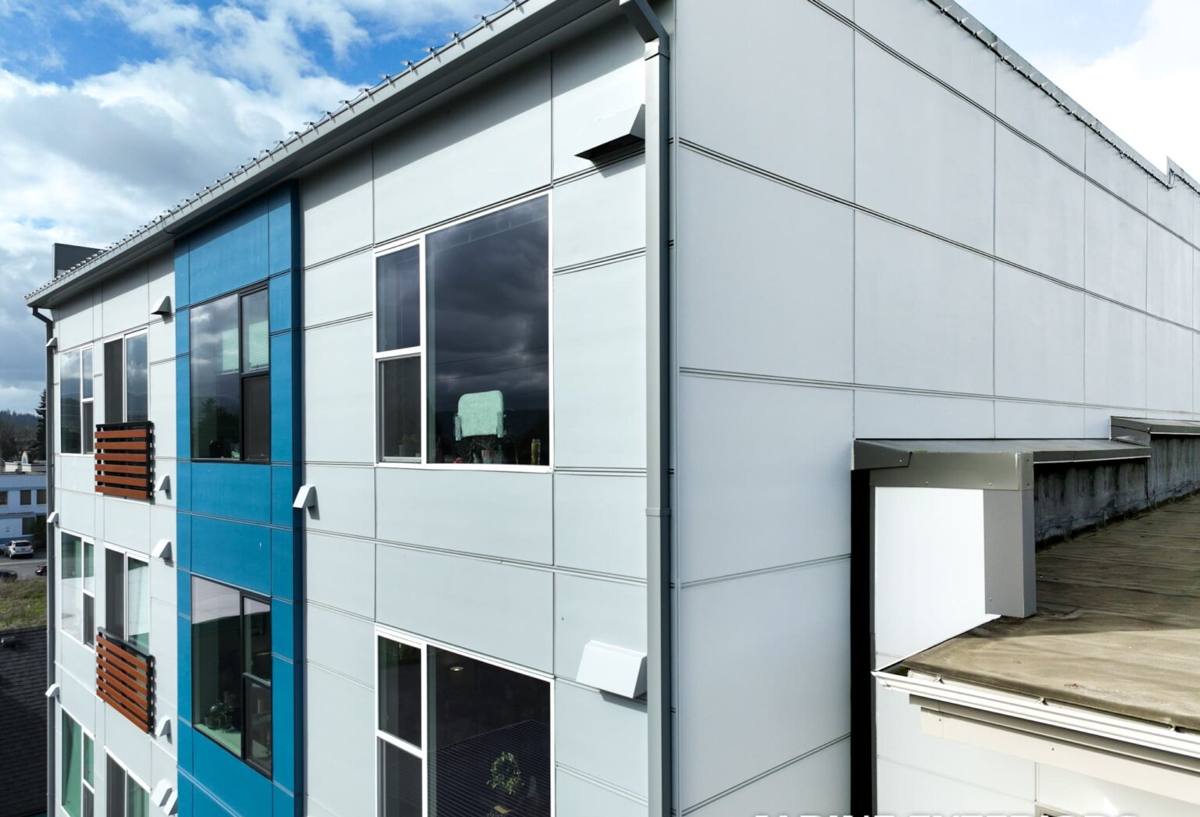
What "Custom" Actually Means Here
Custom doesn't automatically mean expensive or elaborate. On a lot of Birch Bay properties it just means the window openings aren't standard sizes — older cabins and cottages built or added onto over the decades, waterfront lots with unusual sightlines, or additions that were framed by hand rather than to a lumber-yard spec sheet. Custom windows are built to fit those actual openings instead of forcing a stock size into a rough opening with shims and extra trim to hide the gap.
It also covers homes where the goal is a specific look — larger glass areas to take advantage of a water or mountain view, matched sightlines across a whole wall of windows, or shapes (arched, angled, oversized) that off-the-shelf lines don't offer. In both cases, accurate field measurement before ordering is what separates a clean job from one with caulk doing the work that a proper fit should be doing.
Common Custom Situations We See Locally
- Older Birch Bay cottages with settled, slightly out-of-square openings
- Additions or sunrooms with non-standard rough openings
- Waterfront homes wanting larger glass or picture windows for the view
- Matching a new window to existing trim, siding reveal, or a historic profile
- Replacing a single failed unit in a run of windows where an exact color or grid match matters
Frame Materials and Glass That Hold Up Near the Water
There isn't one "correct" material for every Birch Bay home — it depends on budget, the home's style, and how exposed the wall is to wind and salt spray. What we won't do is put a product in a marine-exposure wall that we know is a poor match for the conditions just because it's cheaper up front.
Frame Options
Vinyl is the most common choice for straightforward replacements. Quality vinyl frames with welded corners and stainless or coated hardware hold up well in coastal air and need very little maintenance. The trade-off is fewer color and shape options at the high end of custom work.
Fiberglass costs more but moves less with temperature swings, holds paint well if you want a custom color, and generally shrugs off salt exposure better than lower-grade vinyl or bare aluminum. It's a common upgrade for larger custom openings or waterfront-facing walls.
Wood and wood-clad frames give the most design flexibility and a look a lot of owners want on older or higher-end homes, but they carry a real maintenance burden in this climate — exposed wood needs regular inspection and refinishing, and any gap in the cladding or finish becomes an entry point for moisture. We're upfront with owners about that maintenance commitment before they choose it, especially on a wall that takes direct weather.
Aluminum is strong and slim-profiled but conducts cold and, without a good thermal break and marine-grade finish, is more prone to corrosion and condensation issues right on the water. We use it selectively, not as a default for exposed elevations.
Glass Packages
Double-pane with a low-E coating and argon gas fill is the baseline we'd recommend for almost any Birch Bay home — it cuts heat loss and condensation risk without a big cost jump. Triple-pane adds more insulating value and sound dampening, which some owners want given wind noise off the water, but it also adds weight and cost, and isn't always necessary outside of north- or west-facing walls that take the brunt of the weather.
| Frame Material | Coastal Durability | Maintenance | Best Fit |
|---|---|---|---|
| Vinyl (quality grade) | Good | Low | Most standard and mid-range custom replacements |
| Fiberglass | Very good | Low | Larger openings, custom colors, exposed walls |
| Wood / wood-clad | Fair, exposure-dependent | High | Historic or high-design homes willing to maintain finish |
| Aluminum (marine-grade) | Fair to good with proper break | Moderate | Specific architectural or commercial-style applications |
The Installation Details That Actually Prevent Failures
Most window failures near the water aren't the glass unit's fault — they're an installation problem that shows up two or three winters later as staining, soft trim, or a musty smell. In wind-driven rain, water finds its way behind the frame if the flashing and sealant sequence isn't done in the right order.
What a Correct Install Includes
- A sloped sill pan under the window to direct any water that gets past the frame back outside, not into the wall cavity
- Flashing tape or building paper integrated in the correct shingle-lap order with the house wrap, not just caulk smeared around the trim
- Proper shimming and fastening so the frame is square and doesn't rely on foam or caulk to hold its shape
- Backer rod and quality exterior sealant at the trim joint, sized and tooled correctly rather than overfilled
- Working weep holes and drainage paths left clear, not sealed shut by accident
- Interior air sealing so conditioned air isn't leaking out around the frame and causing condensation inside the wall
Skip any one of these steps and the window itself can be a good product and still fail early. This is the part of the job that matters most in a location like Birch Bay, and it's also the part that's easiest for a crew unfamiliar with coastal installs to shortcut without it showing up right away.
Our Process, Start to Finish
1. On-Site Assessment and Measurement
We look at the actual condition of the opening — framing, existing flashing, any signs of past moisture — not just the window itself. Every opening gets measured on site rather than estimated from a floor plan.
2. Material and Glass Recommendation
Based on which elevation the window is on, how exposed it is to weather off the water, and your budget, we'll recommend a frame material and glass package and explain the trade-offs rather than pushing one product line.
3. Ordering and Lead Time
Custom sizes and shapes take longer to manufacture than stock units. We'll give you a realistic lead time up front so there are no surprises on scheduling.
4. Removal and Opening Prep
Old units are removed carefully, and we inspect the rough opening for rot or moisture damage before anything new goes in. Any damaged framing gets addressed before installation, not covered over.
5. Installation and Flashing
The window goes in plumb, level, and square, with the flashing and sealant sequence described above done correctly the first time.
6. Final Walkthrough
We check operation, seals, and finish work with you before calling the job done, and clean up the site.
Signs Your Birch Bay Windows May Need Replacing
- Fogging or moisture between panes — the seal has failed and the insulating gas is gone
- Soft, discolored, or bubbling trim or sill boards around the window
- Drafts you can feel even with the window fully closed and latched
- Difficulty opening, closing, or locking due to a warped or swollen frame
- Visible corrosion on hardware, hinges, or latches
- A musty smell near the window that suggests moisture is getting into the wall
- Noticeably higher heating bills with no other explanation
Cost Factors on a Custom Window Project
There's no single number that applies to every project — a straightforward vinyl replacement in a standard-sized opening costs a fraction of a large custom fiberglass unit with an oversized or unusually shaped pane. The factors below move the price more than anything else.
| Factor | Effect on Cost |
|---|---|
| Frame material (vinyl vs. fiberglass vs. wood-clad) | Largest single factor |
| Standard size vs. custom or oversized | Custom sizing and shapes add manufacturing cost and lead time |
| Glass package (double vs. triple-pane, coatings) | Moderate increase for upgraded performance glass |
| Condition of the existing opening/framing | Rot or moisture repair adds labor before install |
| Access (second story, tight waterfront lots) | Can add labor time and equipment cost |
| Number of windows done at once | Bundling openings typically lowers the per-window cost |
As a rough starting point, a simple vinyl replacement in an existing standard opening tends to run in the low-to-mid four figures per window, while large custom units, oversized glass, or premium frame materials can run well beyond that. The only way to get a real number is a walkthrough of your specific windows.
Why It Matters to Hire a Crew That Already Works Birch Bay
A contractor who works this specific stretch of coastline regularly has already seen how wind direction, salt exposure, and rain patterns affect homes on different sides of Birch Bay — waterfront-facing walls take different punishment than a home set back a few streets. That's not something you can fully learn from a spec sheet; it comes from doing the work here repeatedly and going back to check how past installs are holding up.
It also matters for logistics. A crew based in and around Bellingham can respond faster if something needs a follow-up visit, knows the realistic weather windows for installation in Whatcom County, and isn't guessing at permitting or code requirements that apply locally. For a coastal job where the installation details matter as much as the product, that local track record is worth asking about directly when you're comparing bids.
Get a Straightforward Estimate
If you're dealing with foggy glass, drafty frames, or you're planning a custom opening for a Birch Bay home, we're happy to take a look and walk you through your options honestly — including when a repair makes more sense than a full replacement. Use the form below to request a free, no-pressure estimate.