 Bellingham Siding
 Why Birch Bay Windows Wear Out Faster Than Inland Homes
Birch Bay sits right on the water, and that changes what a window has to survive. Homes just a few miles inland in Bellingham deal with Pacific Northwest rain and mild winters; homes in Birch Bay deal with all of that plus constant salt-laden air coming off the bay, wind-driven rain that hits siding and window frames at an angle instead of just falling straight down, and a moss and algae season that can run most of the year on north- and west-facing walls. That combination is hard on window frames, hardware, and the seals around them.
Salt air accelerates corrosion on aluminum hardware, screws, and cladding fasteners well before it would be a problem in a typical inland Whatcom County home. Wind-driven rain finds gaps that a standard installation might get away with elsewhere — it pushes water sideways and upward under sills and around trim, not just down over them. And a long damp season means any organic debris, wood trim, or poorly flashed opening has more months per year to stay wet, which is exactly what invites rot and moss growth around window openings. None of this means Birch Bay homes need exotic materials — it means the installation details have to be right, every time, because there's less room for error than there is a few miles inland.
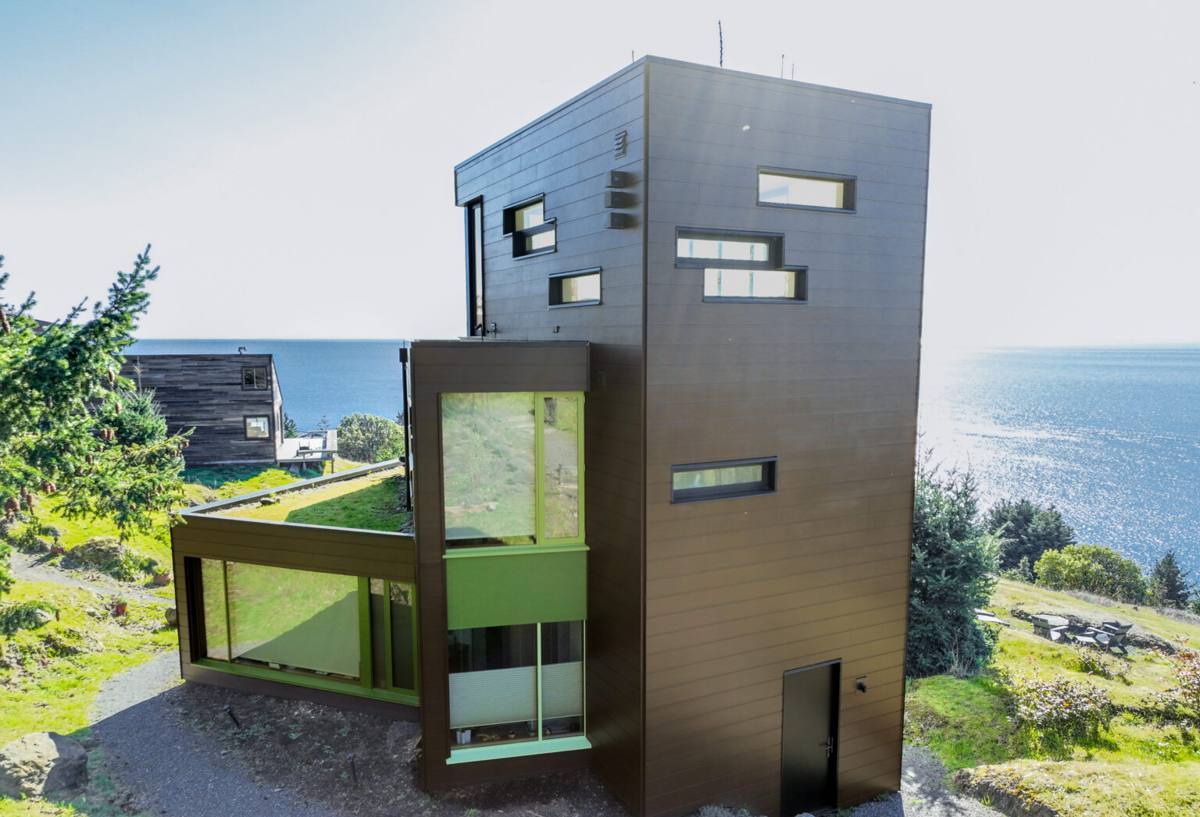
What a Correct Window Installation Actually Involves
A window looks like a simple swap from the outside — old unit out, new unit in — but the parts that actually determine whether it leaks in five years are mostly hidden once the trim goes back on. For a coastal property like Birch Bay, we treat these steps as non-negotiable, not upgrades:
Flashing and Water Management
Every opening gets properly lapped flashing — sill pan first, then side flashing, then head flashing — installed so water is always directed out and down, never trapped behind the frame. On a home exposed to blowing rain off the bay, a sill pan isn't optional; it's the difference between water draining harmlessly away and water sitting against your wall sheathing.
Sealants and Fastener Choice
We use sealants rated for sustained UV and moisture exposure, not general-purpose caulk that chalks and cracks within a couple of seasons. Fasteners and hardware are selected with the salt environment in mind — corrosion-resistant options hold up where standard-grade hardware will start rusting and staining siding within a few years.
Air Sealing and Insulation
The gap between the window frame and the rough opening gets sealed with a proper low-expansion foam or backer rod and sealant system — enough to stop drafts and moisture intrusion without bowing the frame out of square, which causes windows to bind or fail to seal properly.
Level, Plumb, and Square
A window that's out of square by even a small amount will bind, won't lock tightly, and will develop gaps that let both air and water through. We check and shim to true level and plumb on every unit, not just the ones that look obviously off.
Choosing the Right Window for a Bay-Front Property
Material choice matters more here than it does further inland. We steer Birch Bay homeowners toward frame materials and finishes that are proven to hold up under salt exposure, and we're upfront about the trade-offs of each option rather than pushing one product line.
| Frame Material | How It Handles Salt Air & Moisture | Maintenance |
|---|---|---|
| Vinyl | Won't corrode or rust; consistent performer near the water | Low — occasional cleaning |
| Fiberglass | Excellent stability, resists warping from wet/dry cycles | Low |
| Aluminum | Can corrode and pit over time in salt air without a marine-grade finish | Moderate to high near the coast |
| Wood (unclad) | Attractive but absorbs moisture readily; needs consistent upkeep in a damp climate | High — repainting/sealing on a schedule |
| Wood-clad | Better protected than bare wood, but cladding seams are a moisture risk point if not detailed carefully | Moderate |
We don't rule out wood or aluminum outright — some homeowners want the look or already have a style commitment — but we explain honestly what that choice means for upkeep on a property this close to salt water, and we detail the installation accordingly. Our standard recommendation for most Birch Bay replacements is vinyl or fiberglass, both of which shrug off salt exposure with minimal maintenance.
Glass Packages Worth Considering
Glass matters as much as frame material for a bay-front home. A few things worth discussing before you pick a package:
- Double vs. triple pane: Triple-pane adds real value for noise and heat retention if the home is exposed to wind off the water, but it's a bigger investment — worth weighing against your specific exposure and budget.
- Low-E coatings: Help manage heat loss through Whatcom County's cool, wet winters and reduce fading from summer sun exposure.
- Argon or krypton gas fill: A modest but real efficiency upgrade in sealed double- or triple-pane units.
- Impact-resistant or laminated options: Worth a conversation if the home gets direct wind exposure during winter storms off the bay.
Our Process for a Birch Bay Window Job
The steps are the same on every job, but on a coastal property we spend more time on the assessment and flashing stages, because that's where the exposure actually causes failures.
- On-site assessment: We check existing window condition, look for signs of past water intrusion or rot around openings, and note which walls take the most direct weather exposure.
- Product selection: We walk through frame material, glass package, and hardware options based on that wall's exposure — a north-facing wall catching bay wind gets treated differently than a sheltered south wall.
- Removal and opening prep: Old units come out carefully to protect surrounding siding and trim; the opening gets inspected for hidden moisture damage before anything new goes in.
- Flashing and sill pan installation: This is the step that determines long-term performance, and it's done to the same standard on every opening, not just the ones that are hardest to reach.
- Window installation, leveling, and sealing: Units are set, shimmed true, insulated, and sealed with coastal-rated materials.
- Trim and finish: Interior and exterior trim goes back cleanly, with attention to keeping seams sealed against wind-driven rain.
- Final walkthrough: We check operation, locking, and seals with you before calling the job done.
Why Local Installation Experience Matters Here
Birch Bay isn't a generic install location — it's a specific microclimate within Whatcom County, and a crew that hasn't worked this stretch of coastline can miss the details that matter. A contractor used to inland Bellingham jobs might not automatically account for how much more aggressive salt air is on hardware, or how much harder wind-driven rain pushes water into gaps that would be a non-issue a few miles east. We work this area regularly, which means we already know which wall orientations take the worst weather, which flashing details actually hold up here, and which frame materials are worth recommending versus which ones will just create a maintenance headache in a few years.
That local familiarity also shows up in smaller ways — knowing what moss and algae buildup around older window trim usually indicates, recognizing early rot signs specific to this climate, and not treating every job like a standard inland replacement.
Signs Your Birch Bay Windows Need Attention
- Visible gaps, cracked caulk, or peeling sealant around the frame
- Fogging or moisture between panes on double- or triple-glazed units — a sign the seal has failed
- Soft or discolored trim or sill areas, especially on walls facing the bay
- Windows that are hard to open, close, or lock properly
- Noticeable drafts even when the window is fully closed and locked
- Rust staining running down siding from window hardware or fasteners
- Persistent moss or algae buildup around the frame that keeps returning after cleaning
Any one of these can point to a failed seal, damaged flashing, or a frame that's reached the end of its useful life in this environment — worth having looked at before it turns into a bigger repair.
What Affects Window Installation Cost in Birch Bay
| Cost Factor | Why It Matters |
|---|---|
| Number of windows | Per-unit cost typically drops with larger jobs due to shared setup and labor efficiency |
| Frame material | Vinyl is generally the most budget-friendly; fiberglass and wood-clad options cost more upfront |
| Glass package | Triple-pane, Low-E coatings, and gas fills add cost but improve performance and comfort |
| Condition of existing openings | Hidden rot or past water damage found during removal adds repair work before the new window goes in |
| Wall exposure and access | Second-story or hard-to-access openings on wind-exposed walls can add labor time |
| Trim and finish work | Matching existing trim profiles or upgrading trim material affects total project cost |
We give straightforward, itemized pricing before work starts — no surprise add-ons once the job is underway, and any issues found once we open up an old opening get flagged and discussed with you before we proceed.
Let's Take a Look
If your Birch Bay home has windows that are drafty, fogged, hard to operate, or just old enough that you're wondering how much longer they'll hold up against the salt air and wind off the bay, we're happy to come take a look. We'll give you an honest read on what's going on and a clear, no-pressure estimate — just fill out the form below to get started.