 Bellingham Siding
 Roofing for Columbia, Built Around Bellingham Weather
Columbia sits close enough to Bellingham Bay that salt air is a daily fact of life, not an occasional nuisance. Add Whatcom County's long wet season, driving rain off the water, and the deep shade that keeps moss growing on north-facing slopes nearly year-round, and you have a roofing environment that's genuinely harder on materials than most of the country ever deals with. A new roof installed here has to be chosen and built for that reality from day one, not treated as a generic product dropped onto a Pacific Northwest house.
We install new roofs for homes in and around the Columbia neighborhood regularly, and the patterns repeat: roofs that fail early usually weren't wrong on the shingle brand, they were wrong on the details underneath — ventilation, underlayment, flashing, and moss-resistant edge treatment. Get those right and a roof in this climate can perform for its full rated life. Get them wrong and you're looking at premature granule loss, soft decking, and leaks well before the shingles were supposed to give out.
What Makes Columbia's Exposure a Little Different
Proximity to the water means airborne salt settles on roofing surfaces and accelerates corrosion on exposed metal — fasteners, flashing, and vents in particular. Combine that with tree cover common in many Bellingham neighborhoods, and you get roofs that stay damp longer after every rain, which is exactly the condition moss and algae need to take hold. None of this is unusual for the area, but it does mean a roof installed without moss-resistant materials or proper ventilation will show its age faster here than it would a few miles inland.
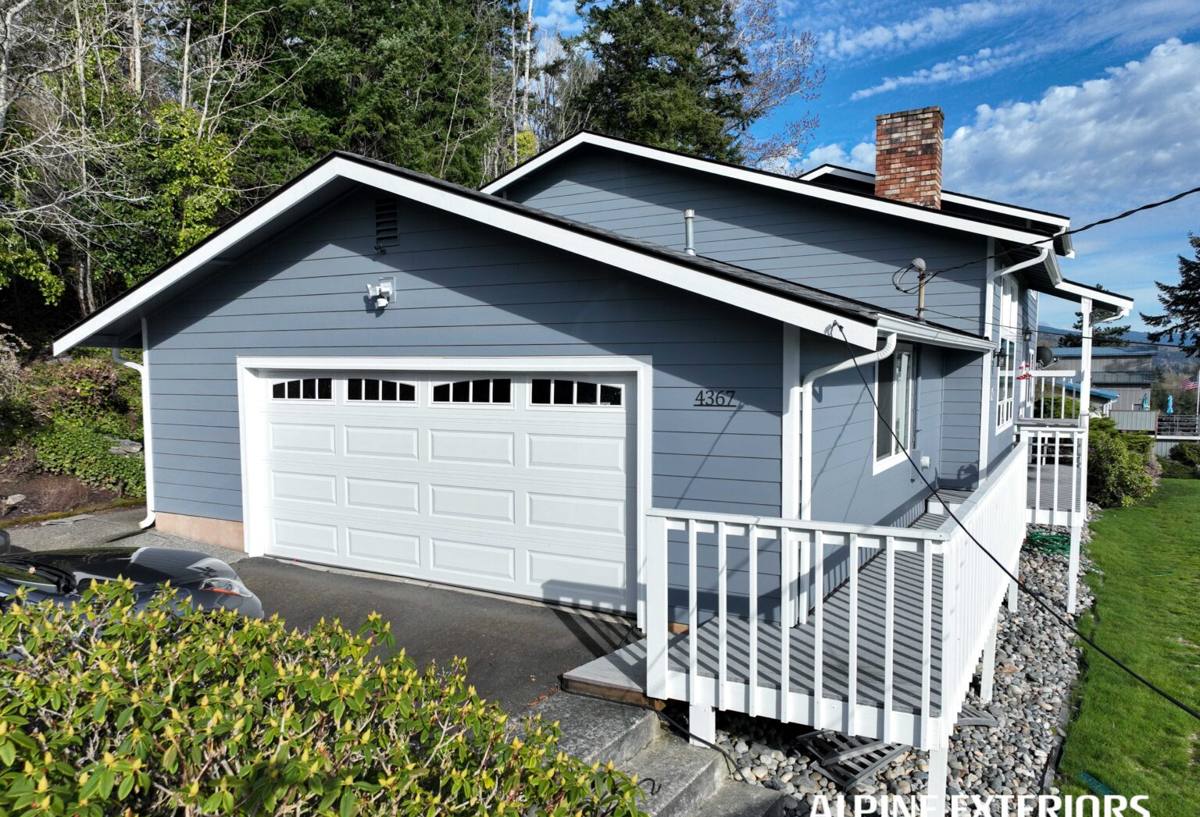
Signs a Columbia Home Needs Replacement, Not Another Repair
Most homeowners call us after a leak, but by the time water is visibly coming through, the roof has usually been failing quietly for a while. Watch for these signs:
- Granules collecting in gutters or at downspout outlets — a sign shingles are wearing thin
- Shingles that are curling, cupping, or cracking, especially on south- and west-facing slopes
- Dark streaking or thick moss growth that keeps coming back after cleaning
- Soft or spongy spots when walking the roof, indicating decking damage underneath
- Daylight visible through the attic roof boards, or damp insulation after storms
- A roof already past 20–25 years old, regardless of how it looks from the ground
A roof that's showing two or three of these signs is usually a better candidate for replacement than another round of patch repairs. Repairs buy time; they don't reset the clock on decking or underlayment that's already absorbed years of moisture.
What a Correct New Roof Installation Actually Involves
A new roof is more than shingles nailed over the old ones. Every layer plays a role, and in a climate like Bellingham's, skipping or shortcutting any one of them shows up as a callback within a few years.
Tear-Off and Deck Inspection
We remove the existing roofing down to the deck on every full replacement. This is the only way to actually see the plywood or plank sheathing underneath — and in older Columbia-area homes, it's common to find sections softened by years of slow moisture intrusion that were invisible from above. Damaged decking gets replaced before anything new goes down; installing new roofing over compromised sheathing just hides the problem.
Underlayment and Ice-and-Water Protection
Synthetic underlayment goes down as the roof's secondary moisture barrier, with self-adhering ice-and-water membrane at eaves, valleys, and around every penetration — the spots where wind-driven rain off the bay is most likely to force its way under the shingle line. This detail matters more here than in drier climates, where a lighter underlayment package can get away with less.
Flashing and Penetrations
Chimneys, vents, skylights, and wall intersections are where most roof leaks actually start, not in the open field of shingles. We install new metal flashing at every one of these — reusing old, salt-corroded flashing is a false economy that shows up as a leak within a year or two.
Ventilation
Balanced intake and exhaust ventilation keeps the attic close to outdoor temperature and controls moisture buildup from the inside. In a damp climate, poor ventilation traps humidity against the underside of the deck, which shortens the life of the wood and the roofing above it regardless of how good the shingles are.
Choosing Materials for Whatcom County's Climate
There's no single "best" roofing material — the right choice depends on budget, roof design, and how much moss and moisture resistance matters for your specific lot. Here's how the common options compare for this area:
| Material | Typical Lifespan Here | Moss/Algae Resistance | Notes for Columbia/Bellingham |
|---|---|---|---|
| Asphalt composition shingle (standard) | 20–25 years | Fair without treatment | Most common choice; budget-friendly, wide color range |
| Asphalt shingle (algae-resistant, copper-granule) | 25–30 years | Good | Worth the upgrade on shaded or north-facing roofs |
| Standing seam metal | 40–50+ years | Excellent | Sheds moss and water fast; higher upfront cost, needs coastal-rated fasteners |
| Composite/synthetic shake or slate | 30–50 years | Good | Heavier material, good option for style-restricted or historic-feel homes |
For most Columbia homes, we recommend at least the algae-resistant shingle line as a baseline given the tree cover and water proximity — the price difference over a standard shingle is modest relative to how much longer it keeps moss from taking hold on the roof plane.
Our Installation Process
- On-site inspection and estimate. We walk the roof, check the attic, and measure — no pressure, no obligation.
- Material selection. We go over the tradeoffs in plain terms so you're picking based on what actually matters for your roof, not a sales script.
- Scheduling around weather. We plan installs for realistic weather windows and keep materials dry and protected if conditions shift mid-job.
- Tear-off and deck repair. Old roofing comes off, decking gets inspected, and any damaged sections are replaced before we move forward.
- Underlayment, flashing, and ventilation install. Every layer goes down to spec, not just the visible shingle.
- Final walkthrough. We inspect the finished roof with you and go over care and warranty details before we consider the job done.
Why a Crew That Already Works Columbia Matters
A roofing crew that's worked this neighborhood before isn't guessing at conditions — they've seen how the tree canopy shades certain streets longer than others, how close some lots sit to salt spray off the bay, and which older homes in the area tend to have deck issues under the surface. That familiarity shortens the inspection process and means fewer surprises once tear-off starts. It also means we know the local permitting process and inspection requirements, so scheduling doesn't get held up by paperwork we're learning on the fly.
Just as important, a local crew has a reputation in the neighborhood to protect. We're not driving in from out of town for a one-time job — we're going to be doing roofs on the same streets next year and the year after.
Protecting Your New Roof Long-Term
A correctly installed roof still needs basic upkeep, especially in a moss-prone climate. A short annual routine goes a long way:
- Clear gutters and downspouts at least twice a year, more often under heavy tree cover
- Have moss growth treated or gently removed before it thickens — don't pressure-wash shingles
- Trim overhanging branches to reduce shade and debris buildup on the roof plane
- Check attic ventilation isn't blocked by insulation or storage
- Schedule a quick visual inspection after major windstorms
None of this is expensive or time-consuming, but skipping it is one of the most common reasons a well-installed roof underperforms its expected lifespan in this climate.
What Affects Cost and Timeline
Every roof is different, but a few factors consistently drive cost and schedule on Columbia-area homes:
| Factor | Why It Matters |
|---|---|
| Roof size and pitch | Steeper roofs take longer and require more safety setup |
| Number of layers being removed | Tear-off of multiple old layers adds labor time |
| Decking condition | Hidden rot or soft sheathing adds material and time once uncovered |
| Material choice | Standing seam metal and composite products cost more than standard shingle |
| Roof complexity | Valleys, dormers, and multiple penetrations add flashing work |
We won't quote a number without seeing the roof first — anyone who does is guessing, and on an older home that guess is often wrong once tear-off starts.
If your Columbia-area roof is showing its age, or you'd just like an honest read on where it stands, we're happy to take a look. Fill out the form below for a free, no-pressure estimate.