 Bellingham Siding
 Why Birch Bay Windows Wear Differently Than Windows Inland
Birch Bay sits right on the water, and that changes what a window has to put up with year after year. Salt-laden air corrodes aluminum hardware and cheap vinyl cladding faster than it would ten or fifteen miles inland. Driving rain off the Strait pushes water sideways into gaps that would stay dry on a more sheltered lot. And Whatcom County's long, damp shoulder seasons mean moss and algae get a running start on any sill, trim board, or frame that holds moisture. None of this means Birch Bay homes need exotic products — it means the window and the installation both have to be matched to a coastal exposure, not treated like a generic replacement job.
We're a Bellingham-based crew that works this stretch of coastline regularly, so we're not guessing at how a particular window line or flashing detail holds up out here. We've seen what fails first, and we build the job around avoiding those specific failure points.
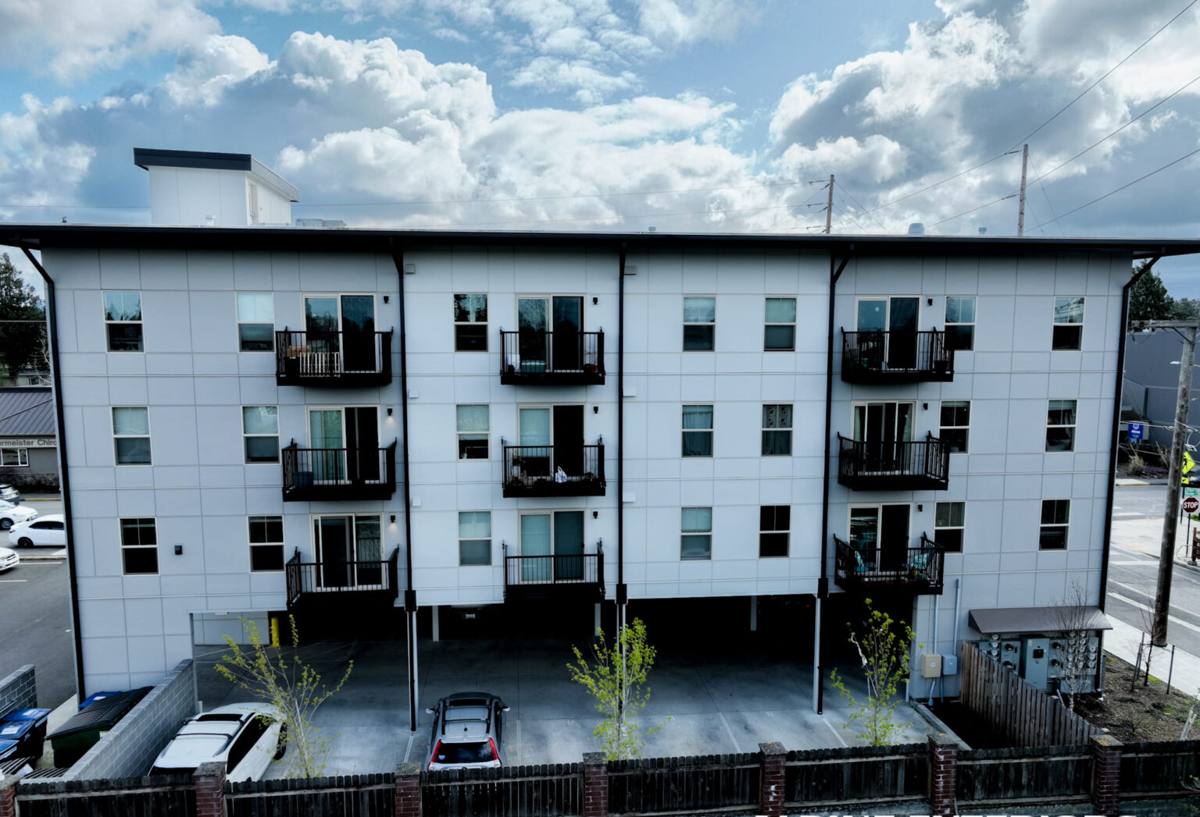
What Actually Fails First on Coastal Window Installations
Before talking about products, it helps to know what actually goes wrong. In our experience, coastal window failures rarely start with the glass itself. They start at the edges.
- Corroded hardware — cheap cranks, locks, and hinges on aluminum or low-grade vinyl windows pit and seize within a few seasons of salt exposure.
- Failed sealant joints — caulk and sealant break down faster in UV plus salt air, and once that seal opens, wind-driven rain finds its way behind the trim.
- Rotted sills and jambs — wood components that stay damp longer than they dry out invite rot, and moss holding moisture against trim accelerates it.
- Condensation and fogging — older insulated glass units lose their seal and fog between the panes; this shows up sooner in humid coastal conditions.
- Poor flashing at the rough opening — this is the one homeowners never see until there's water damage inside a wall, and it's the single most common cause of a "new" window leaking.
A correct replacement addresses every one of these points, not just the visible unit in the wall.
What a Correct Window Replacement Involves
It Starts Before the Old Window Comes Out
We check the rough opening, the condition of the framing around it, and the existing flashing before we ever pull a window. If there's hidden rot or a flashing detail that's been letting water in for years, that gets addressed as part of the job — not discovered later as a surprise change order.
Flashing and Water Management Come First
On a coastal exposure like Birch Bay, the flashing sequence matters more than the window brand. We integrate self-adhered flashing membrane with the house wrap or building paper in proper shingle-lap order — bottom, sides, then top — so any water that gets past the window itself sheds down and out, not into the wall cavity. This is the detail that separates a window that lasts twenty-plus years from one that causes a rot problem in five.
Sealing the Interior and Exterior Correctly
Low-expansion foam or backer rod and sealant around the frame perimeter — never packed too tight, never left with gaps — keeps air and moisture out without distorting the frame. On the exterior, we use sealants rated for UV and salt exposure, not generic caulk that chalks and cracks within a couple of seasons.
Hardware and Finish Selection
For a coastal property, we steer clients toward corrosion-resistant hardware — stainless or coated components rather than bare aluminum — and finishes that hold up to salt air without pitting or fading prematurely.
Choosing the Right Window Type for a Coastal Whatcom County Home
There isn't one "best" window for every Birch Bay home — it depends on the home's age, exposure, and how much upkeep the owner wants to do. Here's how the common options actually compare for this specific setting.
| Frame Material | Coastal Performance | Maintenance | Honest Trade-Off |
|---|---|---|---|
| Vinyl (quality-grade) | Good — won't corrode, handles moisture well | Low | Lower upfront cost but frame quality varies widely between brands |
| Fiberglass | Excellent — very stable in temperature swings and salt air | Low | Higher upfront cost, but holds paint and dimension better over decades |
| Aluminum | Poor to fair unless marine-grade and properly coated | Moderate to high | We generally steer coastal clients away from standard aluminum — it corrodes and conducts cold, which shows up as condensation |
| Wood (clad exterior) | Good if the cladding is intact and well-sealed | Higher — cladding seams need monitoring | Beautiful interior look, but the exterior cladding needs to be genuinely watertight in this exposure |
We're honest with clients about aluminum specifically: it's not that it's a bad material everywhere, it's that in a direct salt-air exposure like Birch Bay it asks for a level of maintenance most homeowners don't want to keep up with, and once corrosion starts on hardware or frame components, it's not something you can simply repaint away.
Glass Packages Worth Considering on the Coast
Beyond the frame, the glass package affects comfort and condensation resistance more than most homeowners expect.
- Double-pane, low-E coated — the standard baseline; blocks a meaningful amount of heat loss and UV fading.
- Argon-filled units — improves insulating performance modestly over air-filled units, at a small added cost.
- Triple-pane — worth discussing for north- and west-facing rooms that catch the brunt of Strait winds, though it adds weight and cost that isn't always necessary on every elevation.
- Warm-edge spacer systems — reduce condensation at the glass edge, which matters in a climate with as much humidity swing as Whatcom County sees.
We'll walk through which combination makes sense elevation by elevation rather than specifying one glass package for the whole house — a bedroom facing the water doesn't always need the same spec as a sheltered side yard window.
Signs a Birch Bay Home Needs Window Replacement Now
Some of these are obvious, some aren't:
- Fogging or a visible film between the panes (failed seal on the insulated glass unit)
- Drafts you can feel with a hand near the frame on a windy day
- Difficulty opening, closing, or locking — often the first sign of corroded hardware
- Soft or discolored wood at the sill or interior trim
- Visible moss or persistent green staining on exterior trim near the window
- Noticeably higher heating bills without another explanation
- Condensation forming on the interior glass regularly, even in mild weather
Any one of these on its own isn't necessarily urgent. Several together, especially combined with visible trim rot, usually means water has already been getting in longer than it looks.
Our Process, Start to Finish
- On-site assessment — we look at every window being discussed, not just the ones the homeowner flagged, since coastal exposure often affects multiple windows unevenly.
- Written estimate — clear line items, no vague allowances, so there are no surprises once work starts.
- Material order and scheduling — we plan installation around Whatcom County's wetter stretches where possible, since dry install conditions matter for a proper seal.
- Removal and opening inspection — this is when hidden rot or old flashing problems get found and addressed, before the new unit ever goes in.
- Flashing, install, and seal — done in the sequence described above, not shortcut.
- Interior and exterior finish work — trim, caulking, and cleanup to match the home.
- Walkthrough — we test operation and locking hardware on every window before calling the job done.
Why Hiring a Crew That Already Works Birch Bay Matters
A window replacement crew that mostly works inland jobs isn't necessarily doing anything wrong — but they may not default to coastal-grade sealants, corrosion-resistant hardware, or the extra attention to flashing sequence that a direct salt-air exposure calls for. We work this part of Bellingham and the surrounding Whatcom County coastline regularly enough to know which details matter most on a property like this, and we build every estimate around those details from the start rather than treating a Birch Bay home the same as one in a sheltered inland neighborhood.
We also know the practical side of working out here — permitting expectations, typical construction types in the area, and how the moss and rain season affects install scheduling. That local familiarity translates into fewer surprises during the job and a longer-lasting result once it's done.
What This Typically Costs
Costs vary by window size, frame material, glass package, and how much flashing or trim repair the opening needs — a home with existing water damage will run higher than one where the openings are sound. Rather than quote a number that won't reflect your actual home, we provide a detailed written estimate after seeing the windows in person, broken out so you can see exactly what you're paying for and where, if needed, you can adjust scope.
Ready to Get Windows That Can Actually Handle This Coastline?
If you're dealing with drafty, foggy, or hard-to-operate windows in Birch Bay, we're happy to take a look and give you a straightforward, no-pressure estimate — no guesswork about whether a product or installation detail is right for a coastal exposure, because it's what we do here regularly. Use the form below to get started.