 Bellingham Siding
 Windows Built for Blaine's Waterfront Climate
Blaine sits right on the water at the top of Whatcom County, which means homes here take a different kind of weather beating than houses further inland. Salt-laden air off the Strait of Georgia and Semiahmoo Bay works on window hardware and finishes year-round, wind-driven rain finds every gap in an aging frame, and the long gray stretch from fall through spring keeps wood and vinyl surfaces damp for months at a time. A window that's fine in a sheltered inland neighborhood can fail early in Blaine if it wasn't specified and installed with that exposure in mind.
Custom windows aren't about fancy shapes — though we do those too. They're about matching the window to the actual opening, the actual wall assembly, and the actual weather load of your specific property, instead of forcing a stock size into a rough opening and caulking around the gaps. In a coastal Whatcom County town like Blaine, that distinction matters more than in most places.
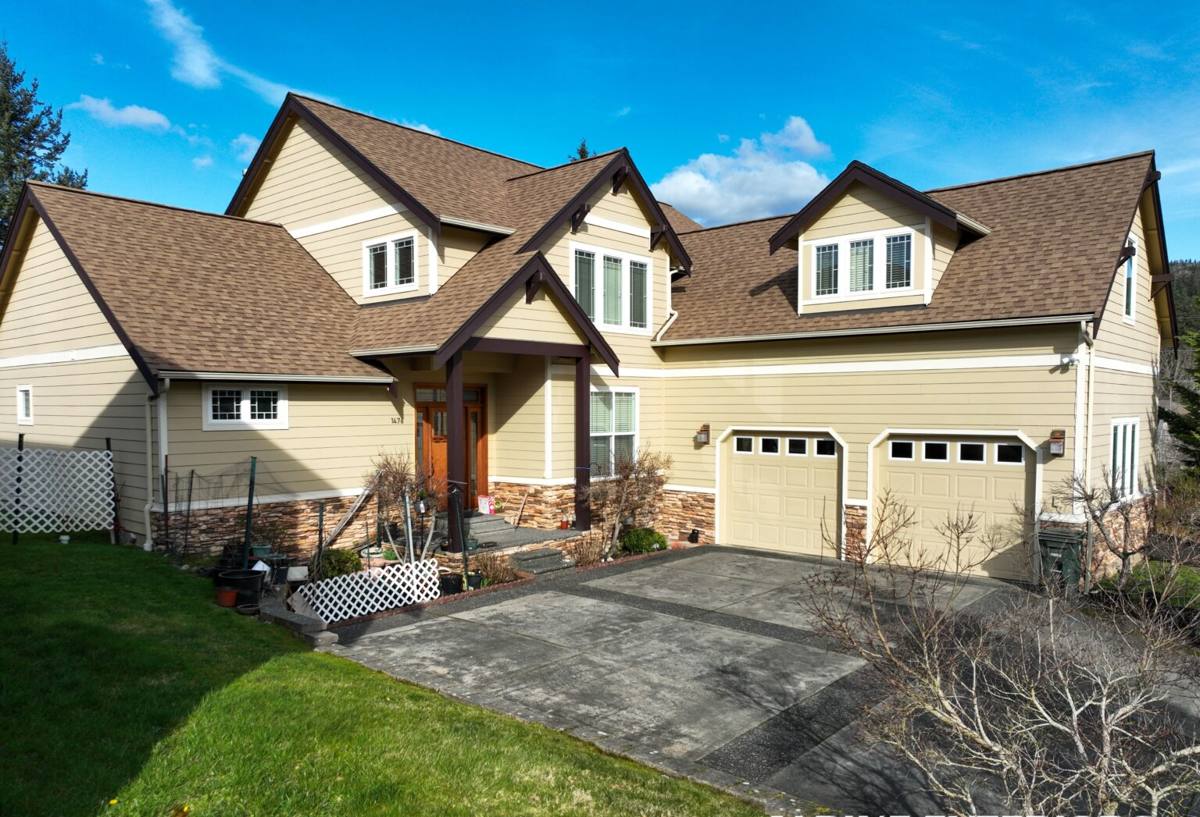
What Salt Air, Rain, and Moss Actually Do to Windows
Salt Air and Hardware
Airborne salt is corrosive to unprotected metal. Standard steel fasteners, low-grade aluminum cladding, and cheap hinge or lock hardware can start pitting and staining years before they would inland. Once corrosion starts on a hinge, roller, or lock mechanism, the window gets harder to operate, and once it's hard to operate, people stop opening it, which traps moisture inside the home.
Driving Rain and Water Management
Wind off the water doesn't just fall — it pushes rain sideways into siding and window openings. A window relies on flashing, sill pans, and properly lapped house wrap to shed that water back out before it reaches the framing. If any one of those layers is missing or installed out of sequence, water gets behind the window trim and you don't see the damage until the wall itself starts to soften.
Moss Season and Sill Rot
Whatcom County's long wet season keeps horizontal surfaces — sills, sloped trim, anything that holds moisture — damp for extended stretches. That's exactly the condition moss and mildew need to establish, and it's exactly the condition that turns a small caulk gap into a rot pocket over a few seasons. Wood sills without proper slope or a durable finish are the first thing to go on an older Blaine home.
Signs Your Windows Are Losing the Fight
- Sashes that stick, drag, or won't stay latched — often a sign of hardware corrosion or frame movement
- Fogging or a hazy film between panes of a double-pane unit — the seal has failed
- Soft or discolored wood at the sill or lower corners of the frame
- Visible moss, algae, or dark streaking on the sill or exterior trim
- Cold drafts near the frame even when the sash is fully closed
- Paint or finish bubbling and peeling faster on the window trim than on the surrounding siding
- Condensation forming on the interior glass or frame during cold, wet stretches
Any one of these on its own isn't an emergency. Several of them together, especially on a west- or water-facing wall, usually means the window and its surrounding flashing need a real look, not just a bead of new caulk.
What a Correct Window Job Involves Here
Replacing a window in a coastal exposure isn't just popping the old unit out and setting a new one in the same hole. A job done right in Blaine covers a few things that get skipped on a rushed install:
- Opening inspection. Before anything goes in, we check the framing and sheathing around the existing window for soft spots, rot, or prior water intrusion. A new window installed over a compromised opening just hides the problem for a while.
- Sill pan flashing. A sloped, sealed sill pan gives any water that does get past the window a way out instead of a place to pool. This is one of the most commonly skipped steps in low-cost replacements, and it's the one that matters most in a driving-rain climate.
- Proper flashing integration with the water-resistive barrier. Flashing tape and house wrap need to be lapped in the correct order — upper layers over lower layers — so water sheds down and out, never behind the barrier.
- Corrosion-resistant hardware and fasteners. In a salt-air exposure, we spec fasteners and hardware rated for that environment rather than standard-grade parts that look identical on day one but corrode faster near the water.
- Insulation and air sealing at the rough opening. Gaps around the frame get properly insulated and air-sealed, not just stuffed with excess foam that can bow the frame out of square.
- Exterior trim and finish sealing. All exposed wood trim gets a durable finish or is capped, and every joint gets sealed against the sideways rain this area sees regularly.
Choosing the Right Window Type for a Coastal Property
| Frame Material | How It Handles Salt Air & Moisture | Maintenance |
|---|---|---|
| Vinyl | Doesn't corrode; performs consistently near the water | Low — occasional cleaning |
| Fiberglass | Very stable in moisture and temperature swings; strong option for exposed walls | Low |
| Aluminum-clad wood | Good if cladding and flashing details are done correctly; cladding seams are a watch point | Moderate — inspect seams periodically |
| Bare wood | Highest maintenance burden in this climate; needs consistent refinishing to avoid sill rot | High — regular refinishing required |
We're honest with clients about that last row. A painted or stained wood window can look great, but on a property exposed to bay winds and a long wet season, it demands upkeep that a lot of homeowners underestimate when they're picking finishes off a showroom sample. If you want a wood interior look with better exterior durability, aluminum-clad or fiberglass options give you that without the same maintenance schedule — as long as the cladding seams and flashing are detailed correctly during install, which is on us, not the product.
Full-Frame vs. Insert Replacement
Insert (pocket) replacement windows go into the existing frame and are faster and less invasive, which works fine when the existing frame is still sound and square. Full-frame replacement removes the window down to the rough opening and rebuilds the flashing and sill pan from scratch. In a wet, coastal exposure like Blaine, we lean toward full-frame more often than a contractor working inland would, because it's the only way to actually inspect and correct hidden water damage instead of building a new window on top of an old problem. We'll tell you honestly which one your opening actually needs after we look at it — not before.
Our Process
- On-site assessment. We look at your current windows, the surrounding trim and siding condition, and the exposure of each wall — a window on the water-facing side of the house gets treated differently than one on a sheltered wall.
- Straightforward proposal. You get a clear scope and price for the work, including whether we're recommending insert or full-frame replacement and why.
- Careful removal. We protect your interior and landscaping, and we check the opening as soon as the old window is out.
- Correct installation. Sill pan, flashing sequence, insulation, hardware, and finish work all done in the right order — not shortcuts to save an hour per window.
- Walkthrough and cleanup. We show you the finished work, confirm every sash operates smoothly, and leave the site clean.
Why a Crew That Already Works Blaine Matters
A lot of window problems we see in this area trace back to installs done by crews unfamiliar with what coastal Whatcom County exposure actually does to a building over time. Flashing details that would be adequate in a drier, more sheltered part of the state aren't always enough a few blocks from the water in Blaine. We work throughout the Bellingham area and understand the difference between a standard inland install and one that needs to hold up against salt air, sideways rain, and a moss season that doesn't really end until late spring. That's not a sales pitch — it's just the reality of building here, and it's why we spec hardware, flashing, and finish choices differently depending on where in the county the house sits.
Get a Straight Answer on Your Windows
If your windows are sticking, fogging, or showing soft spots at the sill, it's worth having someone look before another wet season adds to the damage. We'll give you a straightforward assessment of what's actually going on and what it would take to fix it right — no pressure, no inflated scope. Reach out for a free estimate using the form below.