 Bellingham Siding
 Board & Batten Siding Built for Columbia
Columbia sits close enough to Bellingham Bay that the weather off the water shapes how a home's exterior ages. Board and batten siding has a long history in this part of Whatcom County — the vertical lines suit the older housing stock in the neighborhood, from craftsman-era homes to the mixed-era infill that's gone in over the decades. But the look only holds up if the installation underneath it is built for the moisture load this neighborhood actually sees, not the moisture load a generic install crew assumes.
This page covers what board and batten siding needs to perform in Columbia specifically: the climate stress it's up against, what a correct install actually involves, and why we only install James Hardie fiber cement for this profile rather than the vinyl or engineered wood alternatives sold as cheaper look-alikes.
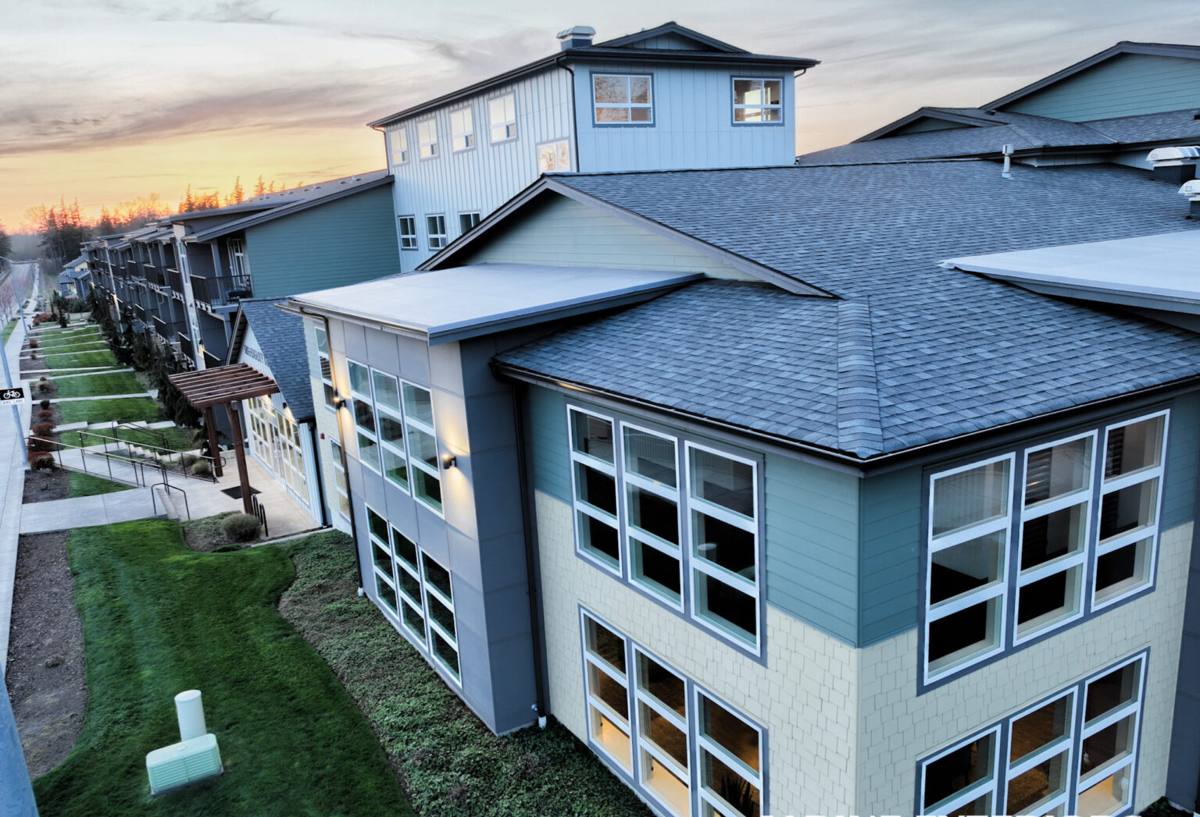
What Columbia's Climate Does to Vertical Siding
Board and batten is a vertical-plank profile with a batten strip covering each seam. That seam is the weak point on any board and batten job, and Columbia's climate is unusually hard on seams.
- Salt air: Proximity to Bellingham Bay means airborne salt and moisture reach exterior surfaces more often than inland parts of Whatcom County. Salt-laden moisture accelerates corrosion on exposed fasteners and finds its way into any gap that isn't properly sealed or flashed.
- Driving rain: Wind off the water pushes rain sideways against west- and south-facing walls, not just straight down. A batten seam that would shed water fine in a calmer climate can take on wind-driven rain directly.
- Moss season: Bellingham's long wet stretch from fall through spring keeps north-facing and shaded walls damp for months at a time. Moss and algae hold moisture against the siding surface, which is hard on paint film and worse on any substrate that isn't dimensionally stable when wet.
None of this makes board and batten a bad choice for Columbia — it's a good-looking, durable profile when it's built with the right material and the right detailing. It does mean the margin for error is smaller here than in a drier climate.
Board & Batten vs. Other Siding Options for This Area
Homeowners in Columbia often ask how board and batten compares to horizontal lap siding or a vinyl vertical panel system, especially when replacing older siding. Here's the honest comparison for this specific climate:
| Option | How it handles Columbia's climate | Long-term consideration |
|---|---|---|
| Fiber cement board & batten | Non-combustible, dimensionally stable when wet, holds factory finish through wet seasons | Higher upfront cost, needs correct rainscreen install to perform at its best |
| Horizontal lap siding | Sheds driving rain well, but doesn't give the vertical board-and-batten look homeowners are often after on this style of home | Good option if the look isn't the priority |
| Vinyl vertical/board-and-batten panels | Won't rot, but expands and contracts more with temperature swings, which stresses seams over time | Can warp or bow in sustained damp conditions; color is baked into thin plastic, not a factory finish coat |
| Engineered wood (LP-type) board & batten | Lighter and easier to install, but wood-based substrates are more vulnerable to prolonged moisture exposure | Edge and seam sealing has to be maintained precisely or moisture gets into the substrate |
We install James Hardie fiber cement board and batten exclusively. It's a deliberate standard, not a default — the reasoning is below.
What a Correct Board & Batten Install Actually Requires
Board and batten looks simple from the street, but it's one of the less forgiving siding profiles to install correctly. On a Columbia home, we treat the following as non-negotiable:
A rainscreen gap behind the siding
A furring strip or engineered rainscreen product creates a drainage gap and airspace between the siding and the water-resistive barrier. In a climate with this much wind-driven rain and prolonged damp seasons, that gap is what lets any moisture that does get past the siding surface drain and dry out instead of sitting against the wall sheathing.
Correct batten spacing and fastening
Battens need to land over the board seams with enough width to cover them under wind-driven rain, and fasteners need to be placed and spaced according to the manufacturer's specification — not just "close enough." Over-driven or under-driven nails are one of the most common board and batten failure points we see on re-siding jobs.
Flashing at every penetration and transition
Windows, doors, roof-to-wall intersections, and deck ledgers all need proper flashing integration before the siding goes on. Board and batten's vertical lines make flashing details more visible if they're done poorly, which is part of why this profile rewards a crew that's installed it before.
Factory-finished, not field-painted, panels
A factory-applied finish system cures under controlled conditions and bonds more consistently than field-applied paint, which matters in a climate where the siding rarely gets a long, dry stretch to cure paint properly.
Why We Install Only James Hardie for This Profile
We don't install vinyl board and batten, engineered wood board and batten, or primed wood board and batten. That's a standard we hold across every job, not just in Columbia, and here's the reasoning specific to this climate:
Vinyl won't rot, but it moves with temperature swings, and that movement stresses the seams that are already the weak point on any board and batten install. In driving rain, a stressed seam is where water gets behind the panel.
Engineered wood products are lighter and cheaper to install, but their wood-fiber substrate is more sensitive to sustained moisture exposure than fiber cement. Columbia's long wet season and salt-laden air are exactly the conditions where that sensitivity shows up over years, particularly at cut edges and seams if caulking maintenance slips.
Primed wood siding needs a maintenance commitment — recaulking and repainting on a schedule — that most homeowners don't want to keep up with, and moss season here is unforgiving of any gap in that schedule.
James Hardie fiber cement is non-combustible, dimensionally stable when it's wet or dry, and carries a factory ColorPlus finish engineered to hold up under exactly this kind of exposure. Hardie's HZ5 product line is formulated for climates with sustained moisture, which fits Whatcom County's weather profile. It's also backed by a strong transferable warranty, which matters if the home changes hands before the siding's useful life is up.
Our Process on a Columbia Board & Batten Project
- On-site assessment: We look at wall orientation relative to prevailing wind and rain, existing moisture damage, and what's under the current siding before quoting anything.
- Tear-off and sheathing check: Old siding comes off and we inspect the sheathing and water-resistive barrier underneath for rot or prior water intrusion before covering it back up.
- Rainscreen and barrier install: A new water-resistive barrier and drainage gap go in before any siding touches the wall.
- Flashing integration: Windows, doors, and roof transitions get flashed and integrated with the barrier system.
- Board and batten install: Hardie panels and battens go up to manufacturer fastening and spacing specs.
- Final detailing and walkthrough: Caulking, trim, and touch-up finish work, followed by a walkthrough so you know what was done and why.
What to Expect After Installation
A correctly installed Hardie board and batten job is low-maintenance, but "low" isn't "zero." Here's a practical checklist for staying ahead of Columbia's climate:
- Rinse siding annually, especially north- and shade-facing walls, to keep moss and algae from establishing
- Check caulking at trim, window, and door edges every year or two — caulk is a maintenance item on any siding system
- Keep gutters clear so overflow doesn't run down the wall surface repeatedly in one spot
- Trim back vegetation and landscaping that keeps a wall section shaded and damp longer than the rest of the house
- Watch for soft spots, staining, or paint film changes near ground level and around penetrations, and address them early rather than waiting
Signs Your Current Siding Needs Attention
If you're in Columbia and dealing with any of the following, it's worth having someone look at the wall assembly, not just the surface:
- Persistent moss or algae growth that comes back within weeks of cleaning
- Visible warping, bowing, or separation at board and batten seams
- Soft or spongy siding, especially near the bottom courses or around windows
- Paint or finish that's peeling or chalking faster than expected for its age
- Interior signs like peeling paint or musty smells on exterior-facing walls
Any of these can mean moisture has been getting past the siding surface for a while, which is worth catching before it reaches the sheathing or framing.
Get a Straight Answer for Your Columbia Home
Every board and batten job in Columbia is a little different depending on wall orientation, sun and shade exposure, and how close the home sits to the water. If you're weighing a full re-side, a partial repair, or just want an honest read on what your current siding is telling you, we're glad to take a look. The estimate is free, there's no pressure, and you'll get a straight answer about what your home actually needs.