 Bellingham Siding
 Siding Replacement for Edgemoor Homes
Edgemoor is one of Bellingham's older, established neighborhoods, built into a wooded, bay-facing hillside where mature tree canopy meets open water views. That combination is part of what makes it such a desirable place to live, and it's also exactly the combination that wears siding out faster than it would on a more exposed, sun-drenched lot. Homes here sit under heavy shade on one side and take direct salt-laden wind off Bellingham Bay on the other, sometimes on the same wall. Siding replacement in this neighborhood isn't just about picking a new color and swapping out tired boards — it's about understanding which walls dry out slowly, which ones take the brunt of wind-driven rain, and building the new siding system around those realities instead of ignoring them.
We install James Hardie fiber cement siding exclusively, and every replacement project we do in Edgemoor is planned around what this specific setting does to a wall over ten, twenty, and thirty years, not around what looks acceptable on the day the crew packs up.
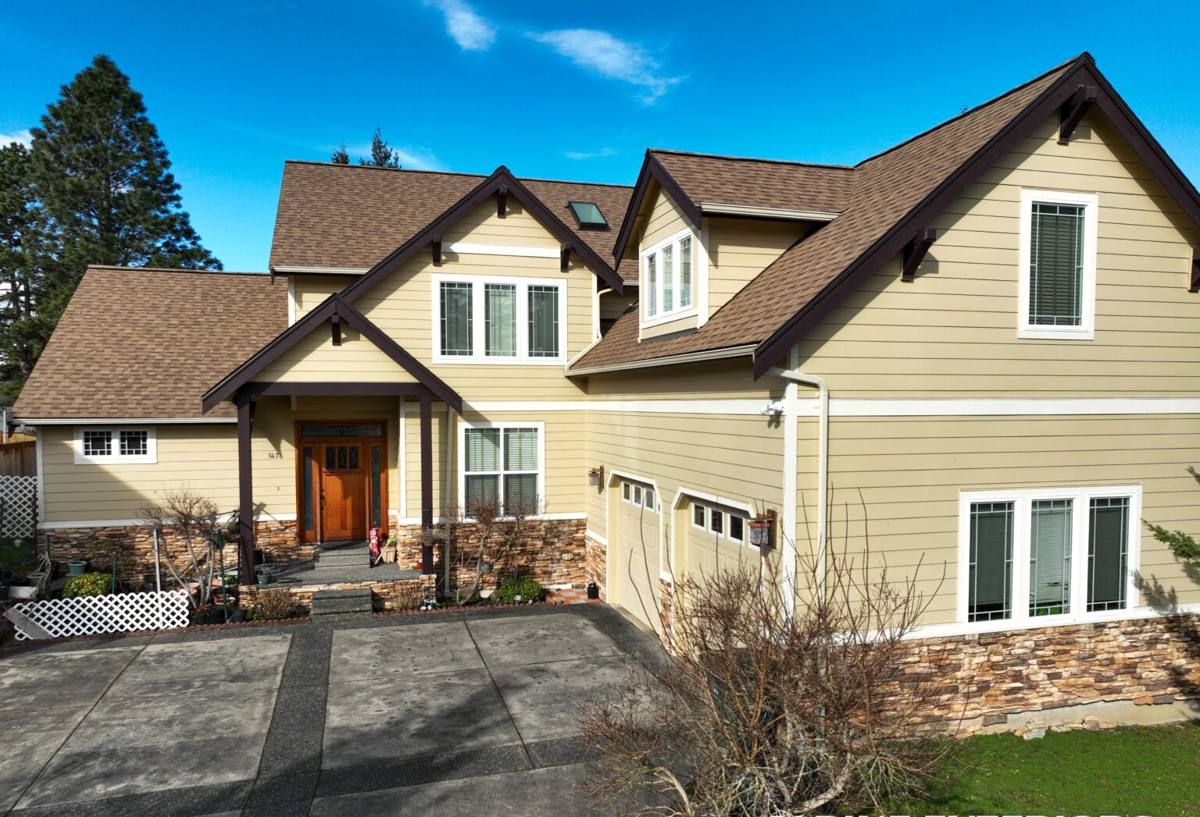
What Edgemoor's Setting Asks of a New Siding System
Salt Air Off the Bay
Homes closer to the water in Edgemoor deal with a steady drift of salt-tinged air that accelerates corrosion on exposed metal and slowly degrades finishes that aren't built to handle it. Fastener choice and the quality of the factory finish on the siding itself both matter more here than they would on a home further inland.
Driving Rain and Wind Exposure
Bellingham's rain rarely falls straight down, and Edgemoor's elevated, bay-facing lots catch more of that wind-driven rain than sheltered inland streets do. Water gets pushed sideways into seams, laps, and trim joints, so how those details are built and flashed matters as much as the siding material itself.
Heavy Tree Canopy and Moss
The same mature trees that give Edgemoor its character also mean a lot of homes have walls that stay shaded and damp for long stretches of the year, especially on north-facing sides and anywhere branches overhang the roofline. Moss season here runs long, and siding that can't shed moisture or resist moss growth ends up needing constant pressure washing and touch-up just to look presentable.
None of these three conditions is unique to Edgemoor on its own, but the neighborhood is one of the few places in Bellingham where a single home can face all three at once — salt exposure on the bay side, deep shade and moss pressure on the tree-covered side, and driving rain hitting whichever walls face the weather. A siding replacement here has to work for the whole house, not just the easy walls.
Signs Your Edgemoor Home Needs Siding Replacement
Because moisture damage develops slowly and often behind the siding itself, a lot of homeowners don't realize replacement is overdue until the problem has already spread. Some signs worth checking for:
- Persistent moss or dark staining that returns within a season or two of cleaning, especially on shaded or tree-covered walls
- Soft, spongy, or discolored spots when you press on the siding, particularly near the bottom of walls or below windows
- Paint that's peeling, bubbling, or failing faster than it should on a house of this age
- Visible warping, cupping, or gaps opening up at siding seams and corners
- Rising energy bills without another clear explanation, which can point to a compromised weather barrier behind the siding
- Siding that's simply reached the end of its realistic service life for its material — cedar and engineered wood age faster than fiber cement in this climate
One or two of these on their own might be a repair. Several at once, especially on a home that's had multiple wet seasons to accumulate damage, usually points to full replacement being the more honest recommendation.
Why Product Choice Matters More in This Setting
A neighborhood that combines salt air, heavy shade, and driving rain is not a forgiving place for a siding material with any weakness in moisture handling. That's a big part of why we don't offer LP SmartSide, vinyl, Cemplank, Allura, primed spruce, or cedar. Those are legitimate products, and other contractors install them competently, but in a setting like Edgemoor's we standardized on one system we're confident performs across all three of these conditions at once.
| Material | Behavior in Salt Air | Behavior in Deep Shade / Moss | Realistic Lifespan Here |
|---|---|---|---|
| James Hardie fiber cement | Non-combustible core, corrosion-resistant fastening options, factory finish holds up | Doesn't feed moss growth the way wood-based products can; sheds moisture well | 30+ years with proper install |
| LP SmartSide (engineered wood) | Cut edges and fastener holes are moisture-sensitive near salt exposure | Prolonged dampness under canopy shortens service life if edge sealing lapses | 15-25 years, climate-dependent |
| Vinyl | Can chalk, fade, or become brittle over time with salt and UV exposure | Doesn't rot, but hidden moisture behind it can go unnoticed for years | 20-30 years, variable |
| Cedar | Needs regular sealing to resist salt-driven moisture absorption | High moss and mildew risk in shaded, damp conditions without upkeep | 15-25 years with consistent maintenance |
Fiber cement's dimensional stability is the property that matters most here — it doesn't swell, cup, or absorb moisture the way wood-based sidings do, which means it holds its shape and its seal in exactly the conditions Edgemoor throws at it most consistently. James Hardie's factory-applied ColorPlus finish also means the color and protective coating are baked on before the material ever reaches the job site, rather than depending on field-applied paint to hold up against salt air and years of shade-driven dampness.
What a Correct Siding Replacement Actually Involves
Replacing siding looks straightforward from the curb, but a job done to spec has a lot happening behind the new boards:
- Full tear-off of the old siding so the wall assembly underneath can actually be inspected, not just covered over
- Repair of any rot, soft sheathing, or water damage found during tear-off before anything new goes up
- A properly lapped house wrap or weather-resistive barrier installed correctly around every window, door, and penetration
- A drainage gap or rainscreen behind the siding so moisture that does get past the surface can dry out instead of sitting against the wall — especially important on Edgemoor's shaded, slow-drying walls
- Corrosion-resistant fasteners at manufacturer-specified spacing, sized correctly for the salt exposure closer to the bay
- Properly flashed and lapped transitions at windows, doors, corners, and the base of the wall
- Field-cut edges primed before installation to protect the factory finish where it's been exposed
Skip any one of these steps and the wall can still look fine for a year or two. The problems that come from skipping them — trapped moisture, soft sheathing, premature paint failure — take a few wet seasons to surface, which is exactly why a corner-cutting install can get away with it until the homeowner is the one dealing with the consequences.
Our Process for an Edgemoor Siding Replacement
Walkthrough and Assessment
We start by walking the specific home — which walls face the bay directly, which sit under heavy shade, where tree cover has likely kept moisture in play longer than average. On an older home in a neighborhood like this, we're also checking for any existing rot or drainage issues that need to be addressed before new siding goes up, since replacement over an unaddressed problem just hides it for a while.
Planning Before Install Day
We work out flashing details, fastening specs, and how the new siding will meet existing trim, windows, and rooflines before crews start cutting material. Deciding these details on paper first, rather than improvising in the field, is part of what keeps the finished wall performing the way it's supposed to.
Installation to Manufacturer Spec
Every fastener, gap, and flashing detail follows James Hardie's published installation requirements for this climate zone. That's what keeps the manufacturer's warranty intact and what determines whether the wall performs for decades rather than years.
Final Walkthrough
We walk the finished job with you, explain what little maintenance the material actually needs, and make sure you know what to look for if you ever want to check the wall yourself down the road.
Why Hire a Crew That Already Works Edgemoor
Edgemoor's mix of bay exposure and heavy tree canopy rewards experience in a way that's hard to fake. A crew that's replaced siding across this neighborhood through multiple wet seasons already knows which orientations need extra attention because of shade, how much clearance a rainscreen gap needs in a setting this damp, and where salt exposure calls for a different fastener spec than a home a mile inland. That judgment doesn't show up on a generic estimate, and it's the difference between a wall that still looks and performs the same in fifteen years and one that's showing moss staining and soft spots by year five.
Cost Factors for Siding Replacement in This Area
Every siding replacement project has its own numbers, but a few factors tend to move the price on Edgemoor homes specifically:
| Factor | Why It Matters |
|---|---|
| Existing wall condition | Rot or moisture damage found during tear-off needs repair before new siding goes up |
| Wall height, slope, and access | Edgemoor's hillside lots and mature landscaping can add labor time and equipment needs |
| Salt exposure and proximity to the bay | Homes closer to the water may need upgraded fastener specs |
| Trim, window, and roofline detailing | More openings and transitions mean more flashing and finish work |
| Siding profile and finish selection | Lap, shingle, and panel profiles carry different material and labor costs |
We'll walk your specific home and give you real numbers based on its actual condition and exposure, rather than a rough estimate off square footage alone — two homes on the same street can need very different scopes of work depending on how these factors play out.
Getting a Replacement That's Built for This Neighborhood
Siding replacement is not a project worth redoing in ten years because the first install cut corners on details that don't show up until a few wet seasons in. In a setting that combines salt air, driving rain, and heavy shade the way Edgemoor does, the planning and detailing behind the siding matter as much as the material itself — and getting it right the first time costs a lot less than tearing out a wall that was never built to handle its actual exposure.
If you're considering siding replacement for a home in Edgemoor, we're happy to walk the property, talk through what your specific walls are dealing with given their orientation and tree cover, and give you a straightforward, no-pressure estimate. There's a form below — reach out and we'll set up a time to take a look.