 Bellingham Siding
 Why Window Installation in Columbia Demands a Climate-Specific Approach
Columbia sits close enough to Bellingham Bay that its homes take on a combination most inland neighborhoods never deal with: salt-laden air off the water, driving rain that comes in sideways during fall and winter storms, and a moss season that stretches for months in the shade of mature trees and north-facing walls. None of that is dramatic on its own, but stacked together year after year, it's exactly the kind of environment that exposes a mediocre window installation. A window that was installed correctly can handle decades of this. One that wasn't will show it within a few winters — soft trim, fogged glass, drafts around the frame, or moss creeping into the sill.
That's the real reason window installation is worth thinking about carefully in this part of Whatcom County. It's not the window itself that usually fails first — it's the installation around it. Flashing, sealant, and how the window ties into the wall assembly matter as much as the window's brand or price tag.
What We See in Columbia's Housing Stock
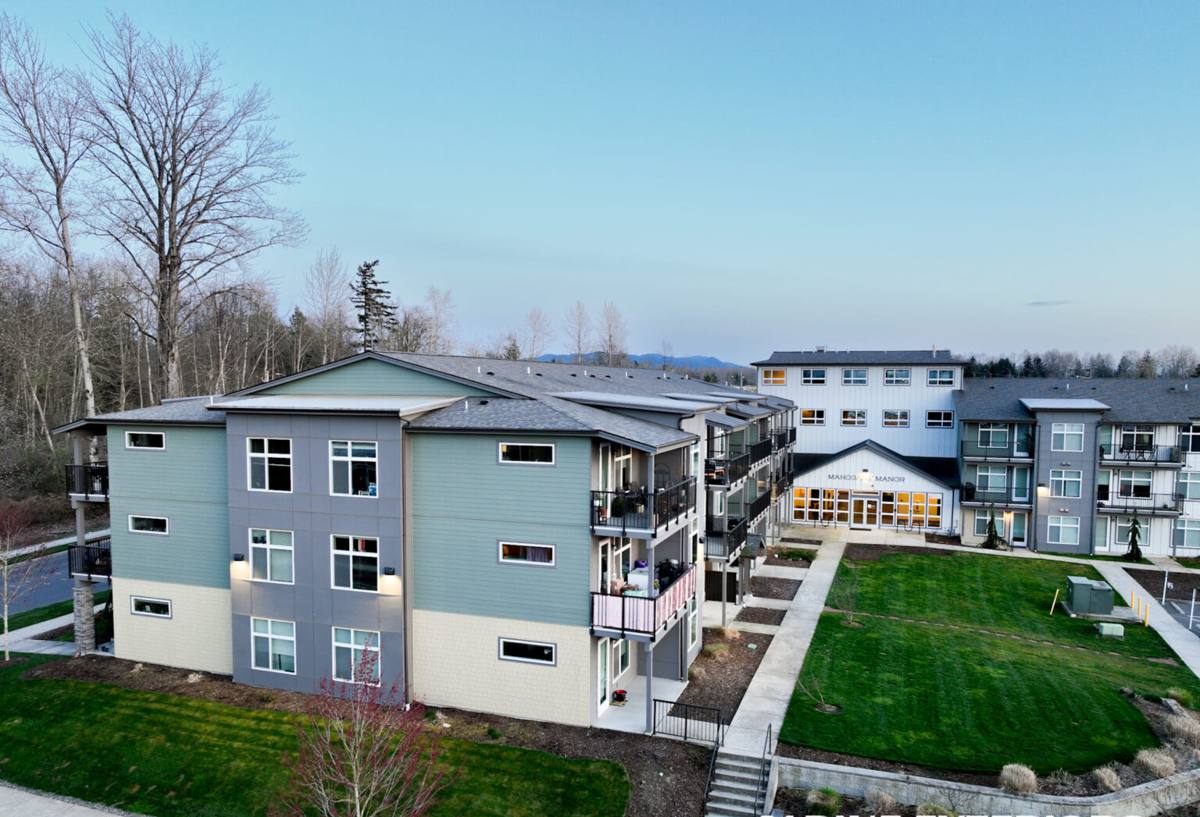
Columbia is one of Bellingham's older, established neighborhoods, so the housing mix leans toward homes built well before modern window and moisture-barrier standards existed. That means older wood-framed windows, single or double-pane glass from a previous renovation era, and wall assemblies that weren't originally designed around today's house-wrap and flashing systems. It's common to find a window opening that's been reworked once or twice already, sometimes with shortcuts that weren't visible until the trim was pulled off.
What This Means for a Replacement
Every opening in an older home needs to be treated as its own project, not a standard swap. Rough openings settle out of square over decades, sills develop soft spots from years of moisture exposure, and older buildings sometimes lack a continuous water-resistive barrier behind the siding. A careful contractor checks all of this before ordering windows, not after they show up.
What a Correct Window Installation Actually Involves
Flashing and Water Management
This is the part that determines whether a window lasts. Correct installation means flashing tape and a sill pan that direct any water that gets past the window back out — not into the wall cavity. In a climate with as much driving rain as Bellingham sees, a window installed without proper flashing will eventually leak, even if the window itself is a high-quality unit. Water finds the path of least resistance, and a shortcut at the sill or head flashing is exactly that path.
Insulation and Air Sealing
The gap between the window frame and the rough opening needs to be filled with a compatible low-expansion foam or backer rod and sealant — not stuffed with fiberglass batt, which does nothing to stop air movement and can actually hold moisture against the frame. Done right, this step is also what keeps a home comfortable in winter and quiet during storms.
Fastening and Fit
Windows need to be shimmed level, plumb, and square before they're fastened, then checked for smooth operation before the opening is closed up. A window that's slightly racked will bind, won't seal evenly against weatherstripping, and will telegraph gaps that let in both air and moisture over time.
Where Window Installations Fail in This Climate
Most of the problems we get called out to fix in neighborhoods like Columbia trace back to a handful of recurring issues, all of them tied to how this region's weather works on a building over time:
- Missing or improperly lapped flashing that lets wind-driven rain track behind the siding
- Caulk used as the only water barrier instead of proper flashing — caulk fails long before the window does
- Moss and organic debris building up on sills and in track channels, holding moisture against wood trim
- Sills without enough slope to shed water, so it pools instead of draining
- Gaps around the frame that were foamed over without addressing the water path first
None of these show up on install day. They show up two, five, or ten winters later, which is why the installation details matter more than they seem to at the time.
Our Installation Process for Columbia Homes
We run the same disciplined process on every window job, adjusted for the specific opening and the home's age:
- Inspect each opening for rot, square, and existing flashing before ordering anything
- Remove the old window carefully to avoid unnecessary damage to trim or siding
- Repair or rebuild any compromised framing or sill material found underneath
- Install a sill pan and properly lapped flashing tied into the existing water-resistive barrier
- Set the new window level, plumb, and square, and confirm smooth operation
- Air-seal the perimeter with the correct foam or sealant — never batt insulation alone
- Finish exterior trim and flashing so water sheds away from the opening, not into it
- Walk the finished window with the homeowner and explain what was found and fixed
That last step matters. On older homes especially, we'd rather show you what we found behind the old trim than just quietly patch over it.
Choosing a Window Frame Material for Bellingham's Climate
Material choice affects how much upkeep a window needs in a climate with this much moisture and salt exposure. Here's how the common options compare for a home in Columbia:
| Material | Moisture Behavior | Maintenance | Notes for This Climate |
|---|---|---|---|
| Vinyl | Doesn't absorb water, won't rot | Low — occasional cleaning | Reliable, budget-friendly baseline for most replacements |
| Fiberglass | Very stable, minimal expansion/contraction | Low | Holds up well to temperature swings and salt air over time |
| Wood (unclad) | Absorbs moisture if finish fails | High — needs regular repainting/sealing | Requires diligence in a climate this wet; we're upfront about the ongoing commitment |
| Wood-clad | Exterior protected by cladding, interior wood exposed | Moderate | Good option when interior wood look matters and cladding is properly sealed |
| Aluminum | Conducts cold, can condense | Low | Less common here due to thermal performance in our winters |
There's no single "right" material for every house — it depends on your home's style, your budget, and how much upkeep you want to take on. We'll talk through the honest trade-offs for your specific windows rather than pushing whatever's easiest for us to install.
What Window Installation Costs Depend On
Pricing varies enough from house to house that we don't quote numbers before seeing the actual openings, but the factors that move the price are consistent:
| Factor | Why It Matters |
|---|---|
| Number and size of openings | Larger and more numerous windows mean more material and labor |
| Condition of the existing framing | Rot or water damage found behind old trim adds repair time before the new window goes in |
| Retrofit vs. full-frame replacement | Full-frame work takes longer but is often necessary when flashing or framing has failed |
| Window material and glass package | Frame material and glass options (double vs. triple pane, coatings) affect unit cost |
| Trim and siding work required | Matching or repairing exterior trim around a resized or relocated opening adds scope |
| Access and site conditions | Second-story windows or tight side-yard access affect labor time |
A written estimate after an on-site look is the only way to get an accurate number, and it's the only way we'll give you one.
Maintaining Your New Windows Through Moss Season
A correctly installed window still needs some basic upkeep in this climate, especially once moss season sets in under fall's shorter days and steady rain. A little attention twice a year keeps small issues from becoming replacement-level problems:
- Clear moss, leaves, and debris from sills and tracks before they hold moisture against the frame
- Check exterior caulking lines each fall and touch up any that have cracked or pulled away
- Make sure gutters and downspouts near windows are clear so runoff isn't sheeting across the glass and sill
- Operate each window through its full range a few times a year so weatherstripping doesn't seize up
- Watch for soft spots or paint failure on wood trim and address them early, before rot sets in
Why Hire a Crew That Already Works Columbia
A contractor who works regularly in this neighborhood already knows what tends to be hiding behind an older Columbia home's trim, how the salt air off Bellingham Bay affects certain materials faster than it would inland, and what flashing details actually hold up against the driving rain this area gets. That's not something you can shortcut with a generic install crew working from a national playbook. It shows up in the small decisions — how much slope to build into a sill, which sealant actually stays flexible through a Whatcom County winter, when a "simple" retrofit needs to become a full-frame repair instead.
If you're weighing a window project for your Columbia home, we're glad to take a look and walk you through what we find — no pressure, no sales script. Reach out for a free estimate using the form below.