 Bellingham Siding
 Decking That Has to Earn Its Keep in Silver Beach
Silver Beach sits along Lake Whatcom on the south side of Bellingham, and while it isn't directly on salt water, the broader marine climate of Whatcom County reaches every corner of the area. That means driving rain off the Sound, damp air rolling in off the lake, and long stretches of gray, wet weather that don't let up until well into spring. Any deck built here spends more months of the year wet than dry, and that changes what "good decking" actually means. A deck that looks fine on a sunny install day in July has to survive eight or nine months of standing moisture, low sun angles, and moss spores looking for somewhere to land.
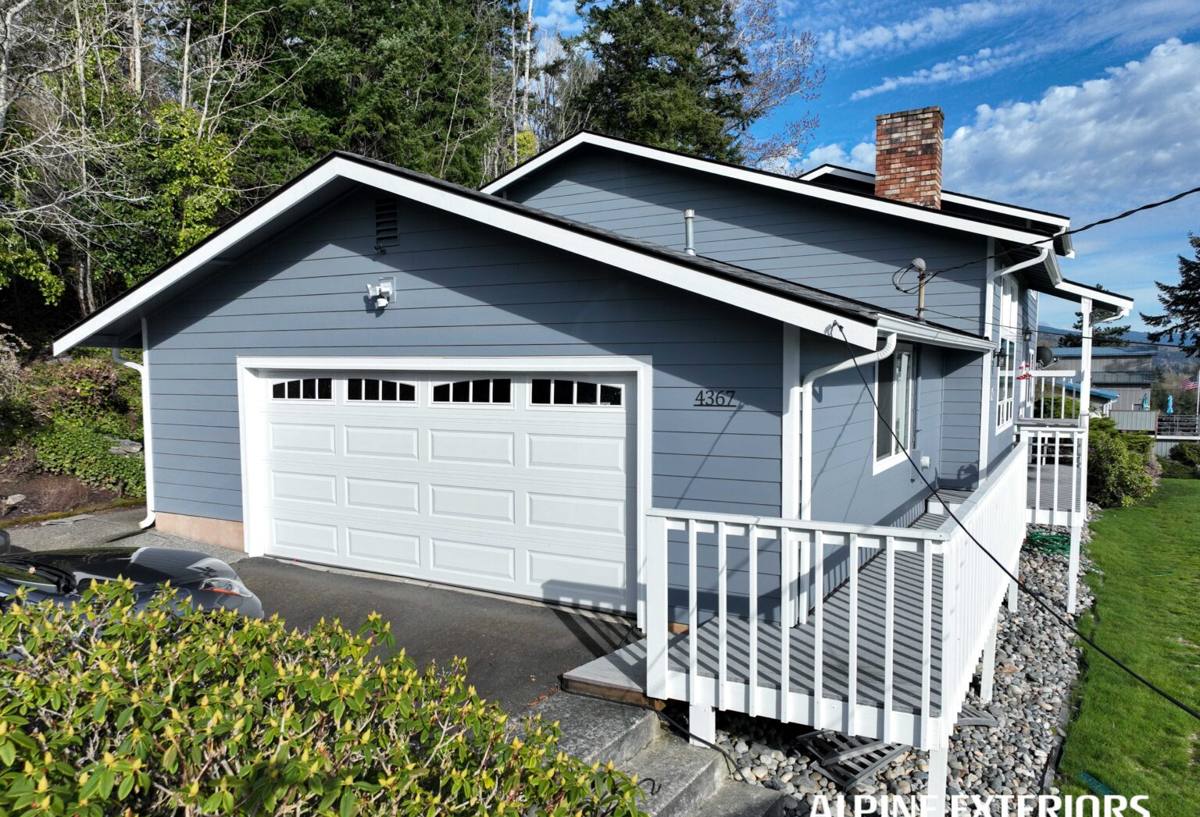
We build and replace decks across Bellingham and Whatcom County, and Silver Beach comes with its own set of conditions worth planning around: sloped lots near the water, mature tree cover that keeps decks shaded and damp longer than open lots, and homes where the deck is the main outdoor living space for a good chunk of the year. Composite decking, installed correctly, is the material that holds up best to that combination. This page covers what that actually looks like — not the marketing version, the practical one.
What Bellingham's Climate Does to an Ordinary Deck
Wood decking fails in this climate in fairly predictable ways. Untreated or lightly treated boards absorb moisture through the grain, swell, and then dry unevenly when the sun finally does come out, which cracks and cups the wood over a few seasons. Fasteners work loose as the wood moves. And because Whatcom County rarely gets a hard, sustained freeze, we don't get the kind of deep-freeze die-off that keeps moss and algae in check in colder climates — moss just keeps growing, season after season, on any wood surface that stays damp and shaded.
Why Moss Season Is a Real Design Problem, Not Just a Cleaning Chore
Moss and algae aren't just cosmetic. On wood decking, they hold moisture against the board surface, which speeds up rot underneath a surface that still looks intact from a few feet away. On a shaded deck near mature landscaping — common on Silver Beach lots — moss can re-establish within weeks of a cleaning if the underlying moisture problem (poor drainage, tight board spacing, no airflow underneath) isn't fixed at the same time. That's the core issue with a lot of deck problems we get called out for: the surface was treated, but the moisture path underneath never was.
Why Composite Decking Fits This Climate
Composite decking is made from a blend of wood fiber and plastic, and in most modern boards, that core is wrapped in a protective cap layer. That combination matters here for a specific reason: the material doesn't absorb water the way solid wood does, so it doesn't swell, cup, or splinter through repeated wet-dry cycles. It also doesn't feed moss and algae the way untreated wood fiber does, since there's no exposed organic surface for spores to root into on a properly capped board.
Capped vs. Uncapped Composite
Not all composite is built the same, and this is where we're honest with homeowners rather than upselling. Capped composite boards have a polymer shell around the wood-plastic core, which is what actually resists staining, fading, and moisture intrusion at cut ends and fastener holes. Uncapped or lower-grade composite can still take on moisture at exposed edges over time, which shows up as swelling or discoloration at board ends and stair nosings first. For a climate that stays wet as long as ours does, we default to capped composite for anything near grade, near water, or in a shaded location — the extra material cost up front is small compared to redoing edge damage in six or seven years.
Color and Grain Choices That Actually Matter Here
Lighter, cooler-toned boards show pollen, mineral deposits from lake-adjacent moisture, and green algae staining faster than mid-tone or streaked colors. It's a small thing, but it affects how often a deck needs a simple rinse-down to look its best, and it's worth discussing before you pick a color, not after.
What a Correct Composite Deck Installation Involves
Composite boards are forgiving compared to wood, but they still fail if the structure underneath is wrong. Most of the "composite decking problems" we get called to fix started with a substructure built for wood, or corners cut on drainage and fastening.
Substructure and Drainage
Composite decking is heavier than most wood decking and has different span ratings, so joist spacing needs to match the manufacturer's specification for that specific board — not a generic 16-inch layout. On Silver Beach's sloped and often shaded lots, grading and drainage under the deck matter as much as the framing itself. Water and debris need somewhere to go; a deck built tight to the ground with no slope or airflow underneath will trap moisture regardless of what decking material sits on top.
Fasteners and Board Spacing
Hidden fastener systems are standard on quality composite installs now, and for good reason: exposed screw heads are a common point where moisture works into the board core over time. Board gapping also needs to account for our climate's humidity swings — composite expands and contracts less than wood, but it still moves, and gaps set too tight in dry weather can buckle boards once the wet season sets in.
Railings, Stairs, and Fascia
These are the parts of a deck that take the most direct weather exposure and the most foot traffic. Stair treads and landings near ground level are where moss and algae take hold first because they stay shaded and damp longest. We pay particular attention to drainage and material choice in these zones rather than treating them as an afterthought to the main deck surface.
Comparing Decking Materials for a Wet, Shaded Climate
Homeowners in Silver Beach are usually weighing composite against pressure-treated wood or cedar. Here's how they generally compare under our actual weather conditions, not manufacturer marketing conditions:
| Factor | Pressure-Treated Wood | Cedar | Capped Composite |
|---|---|---|---|
| Moisture absorption | High — swells and cups over time | Moderate — better than PT but still absorbent | Low — resists swelling at properly sealed edges |
| Moss/algae resistance | Low without regular treatment | Low to moderate | High on capped surfaces |
| Maintenance | Annual cleaning, periodic sealing/staining | Annual cleaning, staining to maintain color | Occasional rinse; no sealing or staining |
| Upfront cost | Lowest | Moderate | Highest, roughly $35–$60+ per sq. ft. installed depending on board and structure |
| Expected lifespan here | 10–15 years with upkeep | 15–20 years with upkeep | 25–30+ years typical |
None of these are wrong choices in every case — a small budget deck replacement might reasonably use treated wood. But for a primary deck that sees regular use and sits in a shaded, damp spot, the maintenance savings on composite tend to pay for the cost difference over the life of the deck.
Our Process, Start to Finish
- On-site assessment — we look at grade, drainage, sun exposure, and existing structure if it's a replacement, not just square footage.
- Material selection — we walk through board options, capped vs. uncapped where relevant, and color against your home and shade conditions.
- Written estimate — scope, materials, and timeline in plain terms, no vague allowances.
- Permitting — Bellingham and Whatcom County have specific requirements for deck height, railings, and footings; we handle the paperwork so it isn't on you.
- Framing and structural work — built to the decking manufacturer's actual span and fastening specs, with drainage and airflow addressed, not assumed.
- Decking, railing, and finish work — hidden fasteners, correct board gapping, and attention to stair and landing zones.
- Final walkthrough — we go over basic care with you before we consider the job done.
Keeping a Composite Deck Looking Right in a Moss-Prone Climate
Composite decking cuts maintenance significantly, but "low-maintenance" isn't "no-maintenance," especially with our winters. A few habits keep a deck performing the way it should:
- Rinse or sweep debris off the deck regularly through fall and winter — trapped leaves hold moisture against the board surface even on composite.
- Clean shaded areas and stair treads more often than open, sun-exposed sections, since that's where algae film builds first.
- Use a soft-bristle brush and a mild soap-and-water solution for routine cleaning; avoid pressure washing at close range, which can damage the cap layer on some boards.
- Check that gaps between boards and any drainage points underneath the deck stay clear, especially after storms.
- Inspect railing posts and ledger connections annually for movement, which is the more common failure point on older decks, composite or wood.
Why Local Experience Matters for This Job
A composite deck installed to a generic national spec sheet, without accounting for a shaded Silver Beach lot's drainage or a Whatcom County permitting detail, is the kind of job that looks fine at handoff and causes problems two winters later. Crews that work this area regularly already know which lots hold water, which slopes need extra grading attention before framing starts, and what the county actually wants to see on a permit application. That local familiarity shows up in fewer surprises during the build and fewer callbacks after it — not in anything flashy, just in a job that's built right the first time for the conditions it actually has to survive.
If you're weighing a new deck or a replacement in Silver Beach, we're happy to come take a look, talk through material options honestly, and put together a straightforward estimate — no pressure, no obligation. Use the form below to get started.