 Bellingham Siding
 Decks Built for Silver Beach, Not a Generic Job Site
Silver Beach is one of those Bellingham neighborhoods where the setting does a lot of the work for you — mature trees, sloped lots, and homes tucked close to the water. That same setting is exactly what wears a deck out faster than it would in a drier, more open part of Whatcom County. Shade from tree canopy keeps wood and composite decking damp longer after every rain. Lake-adjacent humidity, combined with Bellingham's broader marine climate off Bellingham Bay, means moisture is almost always in the air, not just falling from it. A deck built here needs to be planned around that reality from day one, not patched for it later.
We build and repair decks across Bellingham and Whatcom County, and Silver Beach jobs come with a specific set of decisions — footing placement on uneven ground, drainage away from the house, and material choices that hold up to shade and standing moisture rather than direct sun exposure. This page covers what actually matters for a deck in this neighborhood, not a one-size-fits-all pitch.
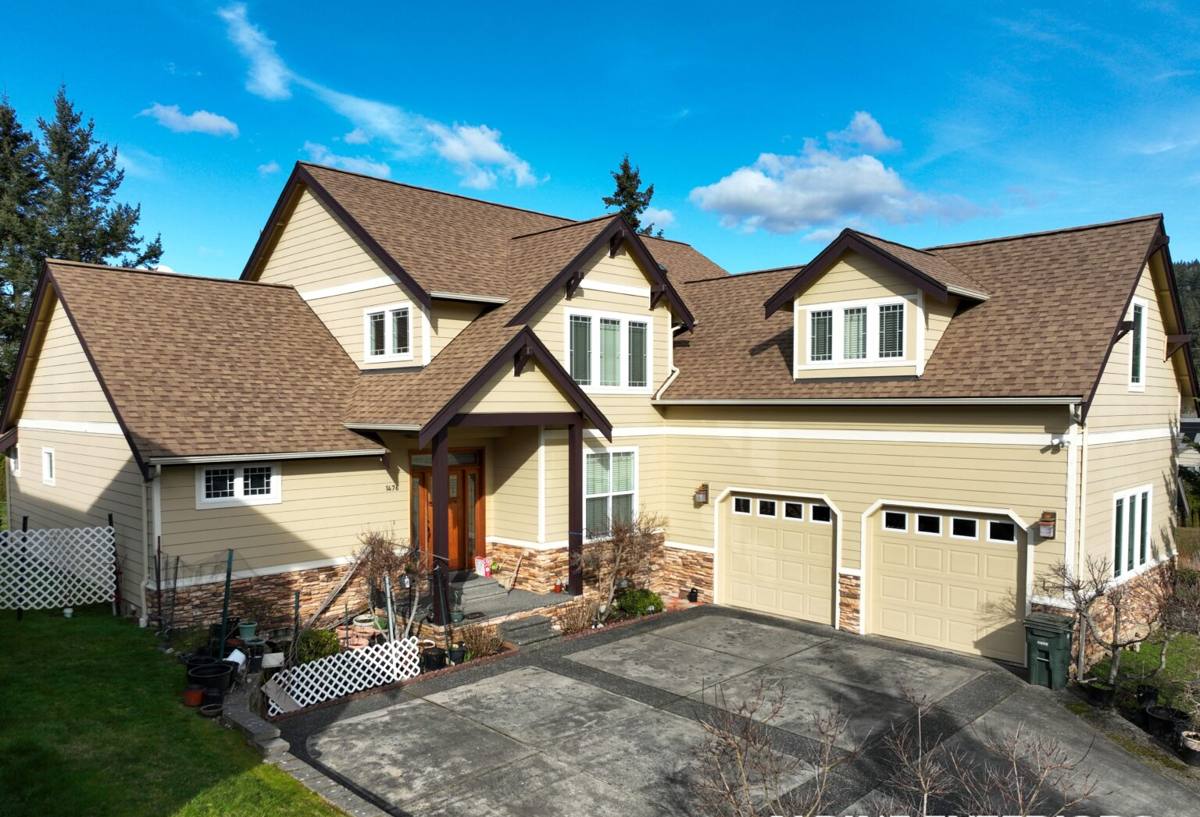
What Whatcom County's Climate Does to an Outdoor Deck
Western Washington's marine climate — salt-tinged air moving in off the Sound and Bellingham Bay, long stretches of driving rain, and a moss season that can run from fall through spring — is hard on every exterior surface, and decks take more direct abuse than siding because they're horizontal. Water doesn't run off a deck the way it sheds off a wall; it sits, pools in low spots, and works its way into joints, fastener holes, and end grain.
Moss and Algae Growth
Shaded, lake-adjacent lots like the ones common around Silver Beach are prime conditions for moss and algae on deck boards. Beyond looking bad, moss holds moisture against the board surface and creates a slip hazard on stairs and walkways — a real liability concern, not just a cosmetic one.
Wood Movement and Fastener Failure
Constant wet-dry cycling makes wood swell and shrink repeatedly. Over years, that movement works fasteners loose, opens gaps at butt joints, and can telegraph through as cupped or splitting boards. It's one of the most common reasons we get called out to older Silver Beach decks — not rot everywhere, just failed connections at predictable stress points.
Hidden Moisture at the Ledger
The ledger board — where the deck attaches to the house — is the single most common failure point on decks in this climate. Flashing that wasn't installed correctly, or wasn't installed at all, lets water track behind the ledger and into the house framing. It's invisible until it's a serious repair, which is why we treat ledger flashing as non-negotiable, not an upgrade.
Choosing Materials for a Shaded, Wet Lot
There's no universally "best" decking material — there's the right material for the site conditions and how the homeowner wants to maintain it. On a shaded, moisture-heavy lot, some choices age much more gracefully than others.
| Material | Moss/Moisture Behavior | Maintenance | Typical Lifespan |
|---|---|---|---|
| Pressure-treated wood | Absorbs moisture readily; needs airflow and regular cleaning to resist moss in shade | Annual cleaning, periodic sealing/staining | 15-20 years with upkeep |
| Cedar | Naturally moisture- and insect-resistant, but still needs sealing in shaded spots to fight moss and graying | Sealing every 2-3 years, occasional cleaning | 20-25 years with upkeep |
| Composite decking | Doesn't absorb water into the board itself, but moss and algae can still grow on the surface film in constant shade | Periodic washing; no sealing or staining | 25-30+ years, manufacturer warranty dependent |
| PVC/capped polymer | Fully moisture-resistant board; still needs surface cleaning to prevent surface algae | Lowest maintenance of the group | 25-30+ years, manufacturer warranty dependent |
On a shaded lot, we generally steer homeowners away from bare, unsealed wood as a long-term-low-maintenance choice — not because the wood is bad, but because shade removes the natural drying time that makes wood decking behave well elsewhere in a sunnier yard. Composite and PVC hold up with less intervention, but they cost more up front and still need occasional washing — they are not maintenance-free, just lower-maintenance.
Fasteners and Framing Hardware
Whatever decking surface goes on top, the framing underneath matters just as much. We use fasteners and structural connectors rated for exterior, moisture-heavy exposure — coated or stainless hardware, not standard interior-grade fasteners that will corrode and stain the decking within a few seasons in this climate.
Site Conditions Specific to Silver Beach Lots
Sloped and tree-lined lots near the lake bring design questions that flatter, open lots don't.
Footings on Uneven Ground
Sloped sites often need taller posts, additional bracing, or stepped footings to keep the deck level and structurally sound. Footing depth and design have to account for local soil and frost conditions, and on a slope that usually means more engineering attention up front, not just longer posts.
Drainage Away From the Foundation
A deck built on sloped ground can inadvertently redirect water toward the house foundation if grading and drainage aren't planned together. We look at where water goes once it leaves the deck surface, not just how the deck itself sheds water.
Railings and Guards
Elevated decks on sloped lots typically require code-compliant guardrails at a specific height, with baluster spacing that meets current building code. This isn't optional design flair — it's a permit and safety requirement, and we build to it as a baseline, not an add-on.
What a Correct Deck Build Actually Involves
A deck that's "fine to look at" and a deck that's built correctly aren't always the same thing. The parts that matter most are usually the parts a homeowner never sees once the project is finished.
- Proper ledger flashing and house-side waterproofing before the ledger board goes up
- Footings sized and placed for the actual soil and slope conditions on site, not a generic spacing
- Joist spacing and hardware rated for the decking material and expected loads
- Corrosion-resistant fasteners and structural connectors throughout
- Positive drainage so water sheds off the deck and away from the house, not toward it
- Code-compliant railings, stair rise/run, and baluster spacing on any elevated structure
- Permit pulled and inspected where required by the local jurisdiction
Skipping any one of these doesn't usually show up right away — it shows up in year three or four, as a soft spot, a loose railing, or water intrusion at the house wall.
How We Work With Silver Beach Homeowners
Every project starts with a site visit, because a deck plan for a flat, open backyard doesn't transfer to a sloped, shaded lot near the lake. We walk the site, look at drainage patterns, existing structures, and sun/shade exposure, and talk through material options based on how much upkeep the homeowner actually wants to do.
Our General Process
- On-site assessment of the lot, existing structure (if replacing a deck), and drainage
- Material and layout discussion based on budget, maintenance preference, and shade exposure
- Written estimate with a clear scope — no vague allowances
- Permit application where the project requires it
- Framing and structural work, including footings, ledger flashing, and hardware
- Decking installation, railings, and stairs
- Final walkthrough and inspection sign-off
We don't rush the framing stage to get to the visible decking faster — the framing is what determines whether the deck is still solid in ten years.
Maintaining a Deck in a Moss-Prone Climate
Whatever material goes down, a Silver Beach deck needs a maintenance rhythm suited to shade and moisture, not the light upkeep that works for a sunny, open lot.
- Sweep debris and organic matter off the deck surface regularly, especially under tree canopy
- Wash the deck at least once a year to remove moss and algae buildup before it takes hold
- Check and clear gaps between boards so water and debris don't accumulate
- Inspect fasteners and railings annually for looseness or corrosion staining
- Reseal or restain wood decking on the manufacturer's recommended schedule — don't wait for visible graying
- Confirm gutters and downspouts near the deck aren't dumping extra water onto the structure
Skipping annual cleaning is the single most common reason we see moss damage and slip hazards develop on decks in this part of Whatcom County.
Why a Crew That Already Works Silver Beach Matters
A contractor who builds decks across different climates day to day doesn't always default to the details that matter here — extra attention to ledger flashing, footing design for slopes, and material choices that account for shade rather than sun. Working regularly in and around Bellingham means we're not guessing at how a particular material or detail performs under this area's rain and moss conditions — we've seen it hold up, or fail, over real seasons on real local homes.
That local familiarity also means fewer surprises during permitting, since local requirements and inspection expectations are already part of how we plan a job, not something we look up after the fact.
If you're planning a new deck or replacing an aging one on your Silver Beach property, we're happy to walk the site and give you a straight, no-pressure estimate — just fill out the form below.