 Bellingham Siding
 Windows in Edgemoor Face a Tougher Climate Than Most Homeowners Realize
Edgemoor sits close to Bellingham Bay, in the shade of mature trees and within reach of salt-laden air that moves in off the water. That combination is hard on windows in ways that inland Whatcom County neighborhoods don't experience to the same degree. Salt-tinged moisture works into metal hardware and finishes faster than plain rain does. Driving rain off the bay, pushed sideways by wind, finds gaps that a calm-weather installation might get away with. And the long, damp moss season that defines this part of Washington keeps wood trim, sills, and siding wet for months at a stretch, which accelerates rot wherever a window wasn't sealed correctly the first time.
None of this means Edgemoor homes need exotic solutions. It means the installation has to be done with this specific environment in mind — the right materials, the right flashing details, and a crew that has actually worked on homes in this part of Bellingham before.
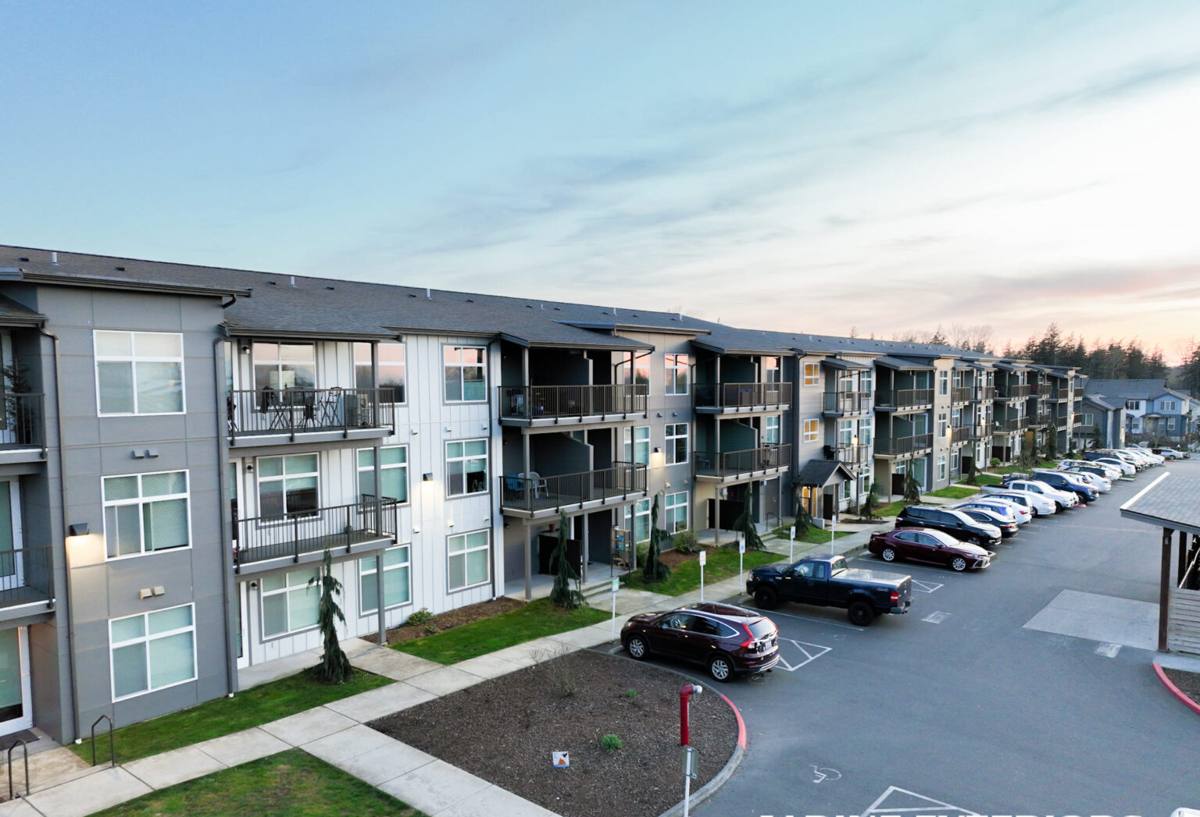
What Edgemoor's Housing Stock Means for Window Work
Edgemoor is one of Bellingham's more established residential areas, with a mix of older homes and custom-built houses on larger, often wooded lots. That mix creates a few recurring realities for window projects here:
- Older homes frequently have original wood-frame windows with decades of paint, glazing repairs, and settling around the openings — none of which shows up until the old unit comes out.
- Wooded, shaded lots stay damp longer after rain, which means sills and framing near tree cover are more prone to hidden moisture damage than windows on an open, sun-exposed wall.
- Larger or custom homes often have oversized openings, picture windows, or non-standard shapes that need accurate field measurement rather than assuming a stock size will fit.
- Proximity to the bay means south- and west-facing walls take the brunt of wind-driven rain and salt air, so those elevations deserve extra attention regardless of the home's age.
A generic, one-size-fits-all installation approach misses these details. A crew that treats every Edgemoor home as if it's a standard suburban tract house is more likely to leave gaps in the flashing or overlook rot that's already started under an old sill.
Signs Your Current Windows Are Losing the Fight
Homeowners usually notice window failure long before they think to call it that. In Bellingham's damp, salt-air, moss-prone conditions, watch for:
- Soft or spongy wood at the sill or bottom corners of the frame, especially on shaded or bay-facing walls
- Fogging or condensation between panes, which means the seal on a double-pane unit has failed
- Visible corrosion, pitting, or stiff operation on aluminum or steel hardware
- Persistent moss or dark staining on the exterior trim right around the window opening
- A draft you can feel with your hand along the frame edge on a windy day
- Paint that keeps bubbling or peeling at the same spot every year no matter how often it's touched up
- Higher heating bills than similar-sized homes without an obvious cause
Any one of these can be a minor fix. Several at once, especially on a wall that faces the bay or sits under heavy tree cover, usually points to a window and flashing system that's reached the end of its service life.
What a Correct Installation Actually Involves
Window installation looks simple from the outside — pull the old unit, set the new one, caulk the edges. Done that way, it fails in this climate within a few years. Done correctly, it involves several steps that matter far more in Bellingham than they would in a drier region:
Removing the Old Window Without Guessing
Once the old unit is out, the opening tells the real story: whether the framing is sound, whether water has already been getting in, and whether the sheathing behind the old trim needs repair before a new window goes anywhere near it. Skipping this inspection is the single most common reason a "new" window starts failing within a few seasons.
Sill Pan and Flashing, Not Just Caulk
A sloped sill pan directs any water that does get past the window back outside instead of letting it pool against the framing. Flashing tape integrated with the house's weather-resistive barrier — shingled correctly so water always sheds downward and outward — is what actually keeps driving rain out during a bay-wind storm. Caulk is a finishing touch, not a substitute for this.
Insulation and Air Sealing Around the Frame
Gaps around the new frame need to be filled with a proper low-expansion foam or backer rod and sealant — not stuffed with fiberglass insulation, which does nothing to stop air movement and can hold moisture against the frame.
Correct Fastening and Shimming
A window that isn't shimmed level and square will bind, won't seal evenly, and puts uneven stress on the frame that shows up as failures years later. This is a slow, careful step, not one to rush through.
Exterior Trim and Finish Work
The trim details are the last line of defense against moss and moisture staining. Back-priming trim boards, sealing end grain, and using a finish suited to a shaded, damp exposure all extend the life of the work well beyond the window itself.
Choosing Materials That Hold Up Near the Bay
Not every window product performs the same way in salt air and constant dampness. Here's how the common options compare for a home in Edgemoor's conditions:
| Material | Behavior in Salt Air / Moisture | Maintenance | Typical Fit for Edgemoor |
|---|---|---|---|
| Vinyl | Won't corrode or rot; performs consistently in damp, salty air | Low — occasional cleaning | Strong all-around choice, especially bay-facing walls |
| Fiberglass | Very stable in moisture and temperature swings; resists warping | Low | Good for larger or custom openings on higher-end homes |
| Aluminum-clad wood | Cladding protects wood core, but any breach lets moisture in behind the metal | Moderate — depends on seal integrity over time | Workable if installed and sealed with extra care |
| Bare wood | Attractive but absorbs moisture readily; original finish needs constant upkeep | High — repainting/refinishing on a recurring cycle | Best reserved for historically accurate restorations, with eyes open about upkeep |
| Uncoated steel/older aluminum hardware | Prone to pitting and corrosion in salt-influenced air | High once corrosion starts | We typically recommend replacing rather than patching around it |
We'll walk through these trade-offs honestly for your specific home — there's rarely a single "best" material, just the one that matches your home's exposure, your maintenance appetite, and your budget.
Our Installation Process
- On-site assessment: we look at every window opening individually, checking framing condition, exposure to wind-driven rain, and shading from trees.
- Accurate measurement and product selection: especially important for older or custom Edgemoor homes where openings aren't always standard.
- Removal and opening inspection: any rot or moisture damage found gets addressed before a new window is set, not covered up.
- Sill pan, flashing, and air sealing: installed to shed water outward and keep air infiltration to a minimum.
- Precise setting, shimming, and fastening: so the window operates smoothly and seals evenly for the long haul.
- Interior and exterior finish work: trim, caulking, and paint or stain matched to a damp, shaded exposure where needed.
- Final walkthrough: operation, seal, and appearance checked with you before we consider the job done.
Why a Crew That Already Works in Edgemoor Makes a Difference
A contractor who regularly works this neighborhood already knows what to expect: the way tree cover keeps certain walls damp longer, how bay-facing exposures take more weather than the rest of the house, and what condition to expect behind trim on homes of a certain era. That familiarity shows up in fewer surprises during removal, fewer change orders, and a finished job that accounts for conditions a crew unfamiliar with Bellingham's coastal microclimates might not anticipate. It also means realistic expectations from the start about what your home's exposure actually requires, rather than a generic recommendation copied from a drier or more inland job.
Living With the Result: Maintenance in Moss Season
Even a correctly installed window benefits from basic upkeep in this climate. A few habits go a long way:
- Rinse pollen, salt residue, and moss spores off frames and sills a couple of times a year, especially after the wettest stretches
- Keep gutters and nearby tree cover trimmed back so water and debris don't sit against the upper frames
- Check exterior caulking annually and touch it up before small gaps become entry points
- Operate windows periodically through the year, even in winter, so seals and hardware don't seize up from disuse in damp weather
None of this is heavy maintenance — it's the kind of seasonal attention that Whatcom County's climate rewards and that neglect punishes over time.
Ready to Talk About Your Windows?
If your Edgemoor home has windows showing any of the signs above, or you're planning ahead rather than waiting for a failure, we're happy to take a look and give you an honest read on what's needed. There's no pressure and no obligation — just a straightforward assessment and a free estimate using the form below.