 Bellingham Siding
 Building Decks That Actually Hold Up in Fairhaven
Fairhaven sits close enough to Bellingham Bay that its homes take a different kind of weather beating than houses further inland in Whatcom County. Salt-laden air off the water, long stretches of driving rain, and a moss season that can run from October well into May all work on exterior wood and fasteners in ways that catch a lot of homeowners off guard. A deck built with generic, one-size-fits-all methods might look fine the first summer and start showing problems — soft spots, rust streaks, slick green film, fasteners backing out — within a couple of wet seasons. Building for Fairhaven means starting with the site conditions, not a catalog spec sheet.
This page covers what a deck built specifically for this neighborhood needs to get right, how we approach the work, and what questions are worth asking any contractor before they set foot on your property.
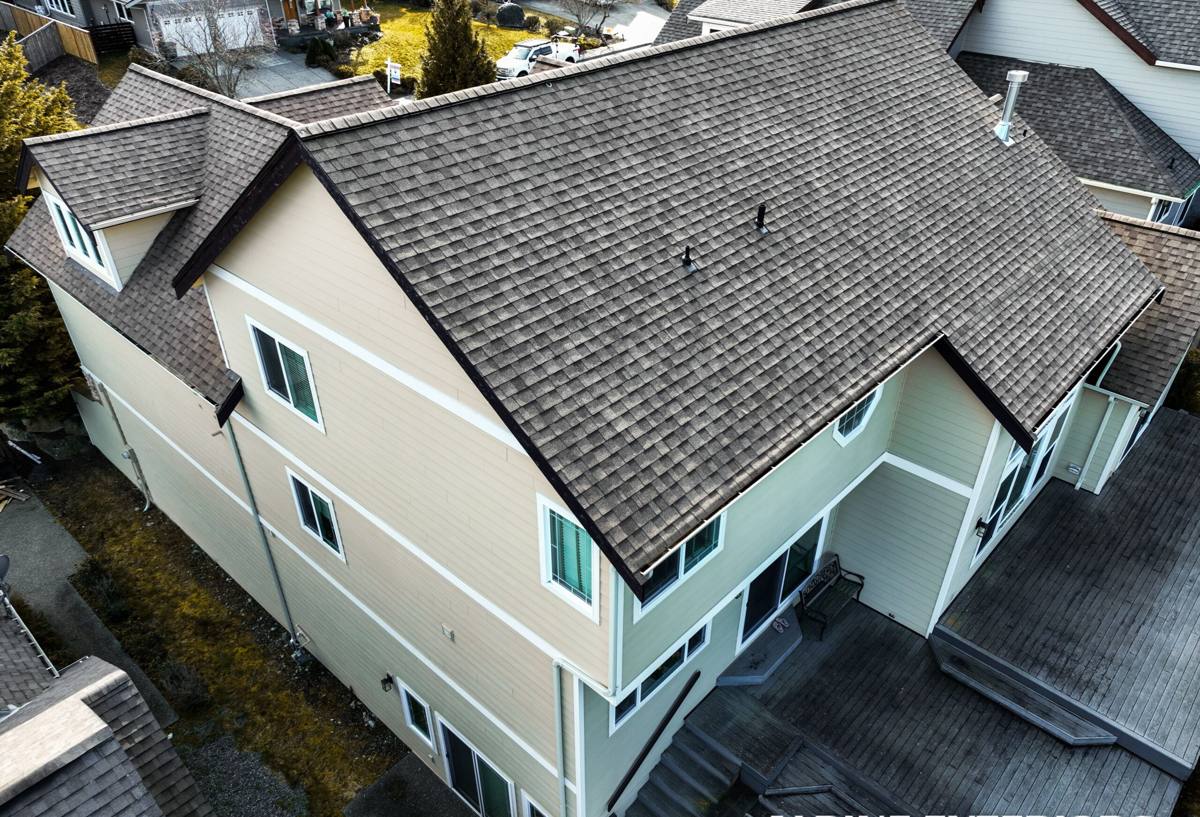
What Fairhaven's Climate Actually Does to a Deck
Salt Air and Metal Fasteners
Proximity to the bay means airborne salt settles on exposed surfaces more than it would a few miles inland. Over time, salt exposure accelerates corrosion on hardware that isn't rated for it — screws, joist hangers, structural connectors, and railing brackets. Once a fastener starts rusting, it doesn't just look bad; it loses holding strength, and on a structure that carries live load, that's not cosmetic.
Driving Rain and Water Intrusion
Bellingham gets a lot of rain, but the wind-driven rain common to Fairhaven's exposure pushes water sideways into places a calm rain never would — under railing caps, into ledger board connections, behind fascia. A deck built without deliberate flashing and drainage detailing will trap that water instead of shedding it, and trapped water is what rots framing from the inside where you can't see it until it's a real problem.
Moss, Algae, and Surface Buildup
The long damp season creates ideal conditions for moss and algae on any horizontal wood or composite surface that doesn't drain and dry quickly. Beyond looking neglected, a mossy deck surface gets genuinely slick and dangerous underfoot, and moss holds moisture against the decking material longer than bare wood would on its own, compounding rot risk.
What "Building It Right" Means Here
None of the issues above are exotic. They're well understood in coastal Pacific Northwest construction, and they're solved with correct material choices and correct detailing — not with a premium product slapped onto a standard build. Here's what we treat as non-negotiable on a Fairhaven deck.
Fastener and Hardware Selection
We use fasteners and structural connectors rated for coastal/high-moisture exposure — typically stainless steel or heavy-duty coated hardware, matched to the decking and framing material, not just whatever's cheapest at the yard. Mixing incompatible metals (say, standard hardware with certain treated lumber chemistries) can accelerate corrosion, so the combination matters as much as the individual parts.
Ledger Attachment and Flashing
The ledger board — where the deck attaches to the house — is the single most common failure point on decks in wet climates. Proper flashing directs water away from the house band joist instead of letting it wick in behind the ledger. This is also a life-safety item, since the ledger connection carries a significant share of the deck's structural load.
Drainage and Airflow Underneath
A deck built low to grade with poor airflow underneath stays damp long after a storm passes, which is exactly what moss and rot need. We grade and detail the substructure so water has somewhere to go and air can circulate, rather than pooling under the framing.
Decking Material Suited to the Exposure
Wood species, treatment, and composite products all behave differently under constant damp-dry cycling. We'll walk you through the honest trade-offs — maintenance burden, expected lifespan in this specific exposure, upfront cost — rather than pushing whatever has the best margin.
Decking Material Options: The Honest Trade-Offs
| Material | Upfront Cost | Maintenance | How It Handles Fairhaven's Climate |
|---|---|---|---|
| Pressure-treated lumber | Lowest | Needs regular sealing/staining | Good structural value; surface needs upkeep to resist moss and graying, especially on the shaded or north-facing side |
| Cedar | Mid | Periodic sealing to hold color and resist moisture | Naturally moisture- and insect-resistant, but still benefits from sealing given the long wet season here |
| Composite decking | Higher | Low — occasional washing | Doesn't rot, but can still grow surface algae/moss film if not cleaned; capped composites shed water better than uncapped |
| Tropical hardwoods (e.g. ipe) | Highest | Low to moderate | Very dense and rot-resistant, but installation is unforgiving — fastener choice and pre-drilling matter more than with softer woods |
There's no single "best" answer — it depends on your budget, how much upkeep you actually want to do, and how long you plan to be in the house. We'll give you a straight read on all of it during the estimate rather than steering you toward one product.
Our Process for a Fairhaven Deck Build
- Site assessment. We look at grade, drainage, sun/shade exposure, and how close the build is to salt air influence, since a deck two blocks from the water is treated differently than one further up the hill.
- Design and material selection. We talk through decking material, railing style, and layout against your budget and maintenance appetite, with the climate trade-offs laid out plainly.
- Permitting. Most deck builds in this area require a permit, particularly for elevated structures or anything attached to the house. We handle the paperwork and inspections as part of the job.
- Structural build. Footings, framing, ledger flashing, and hardware go in first, and this is the stage where corrosion resistance and drainage detailing actually get built into the structure — not added after the fact.
- Decking and railing installation. Surface material goes down with attention to spacing for drainage and airflow, and railing is installed to code for height and baluster spacing.
- Final walkthrough. We go over care and maintenance specific to whatever material you chose, so you know what upkeep to expect and when.
Maintenance: What Keeps a Fairhaven Deck Going Long-Term
Even a well-built deck needs some seasonal attention in this climate. What that attention looks like depends on the material, but the general pattern holds across most builds here.
- Sweep or blow off leaves and debris regularly in fall — trapped organic matter under leaves holds moisture and feeds moss growth
- Rinse or lightly scrub surfaces in late winter/early spring to knock back moss before it establishes
- Check railing hardware and structural connectors annually for early signs of corrosion or loosening
- Re-seal or re-stain wood decking on the manufacturer's recommended interval — don't wait for visible graying, since UV and moisture damage starts before it's obvious
- Confirm gaps between boards stay clear so water keeps draining through rather than pooling on the surface
- Keep an eye on the ledger board area at the house connection, since that's the highest-consequence spot if flashing ever fails
Why a Crew That Already Works Fairhaven Matters
A contractor who builds decks across a wide mix of inland and coastal Whatcom County conditions already knows which details matter more in a neighborhood like Fairhaven versus, say, a drier lot further from the water. That's not a marketing point — it changes real decisions on the job: which hardware grade to spec, how aggressive the flashing detail needs to be, whether a given decking product is worth its price here versus somewhere with less salt exposure. It also means we're familiar with the local permitting process and typical lot conditions in the area, which keeps the project moving instead of hitting avoidable delays.
We'd rather build a deck that's still solid in ten years than one that looks good in photos on day one and needs structural repair by year four. That approach costs the same at the estimate stage — it just means the choices along the way are made with this climate in mind rather than against it.
Questions Worth Asking Before You Hire
Whoever you choose to build your deck, a few questions will tell you quickly whether they're thinking about your specific conditions or just running a standard build:
- What fastener and hardware grade do you use, and why for this location?
- How do you flash and waterproof the ledger board connection?
- Are you pulling a permit, and who handles inspections?
- What's the realistic maintenance schedule for the decking material we choose?
- Can you walk me through the drainage and airflow plan under the deck?
If you're planning a new deck or replacing one that's showing its age, we'd be glad to take a look and put together a straightforward estimate — no pressure, no upsell, just an honest read on what your property needs. The form below gets you started.