 Bellingham Siding
 Why Fairhaven Homes Wear Out Siding Faster Than Inland Neighborhoods
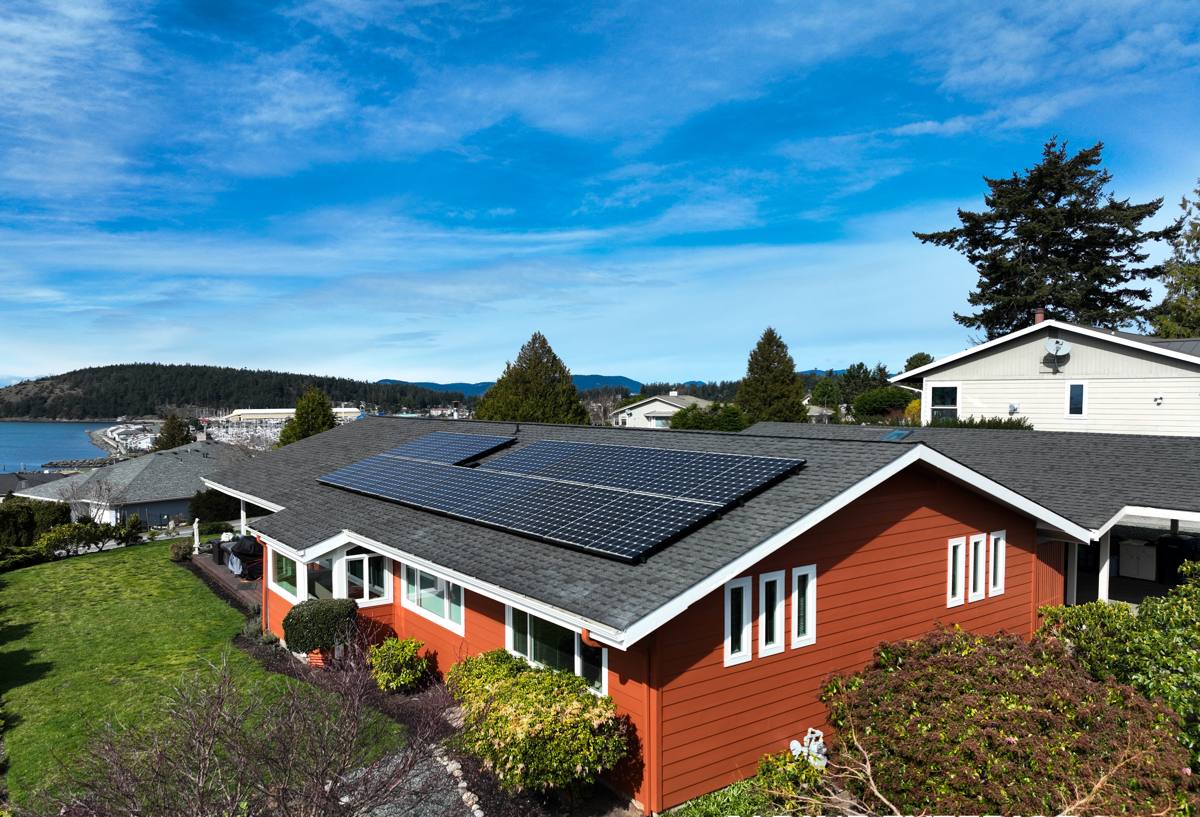
Fairhaven sits close enough to Bellingham Bay that salt-laden air is a daily fact of life for the homes here, not an occasional nuisance. Combine that with Whatcom County's long, wet winters and the driving rain that comes off the water, and you have a climate that is genuinely harder on exterior siding than what homes fifteen miles inland deal with. Add in the deep shade from mature trees common in Fairhaven's older residential streets, and you get long stretches of the year where siding simply doesn't dry out between storms.
That combination — salt exposure, wind-driven moisture, and shade-driven moss growth — is exactly the profile that breaks down the wrong siding material years before it should fail. It's also why a siding replacement in Fairhaven needs to be planned differently than the same job in a drier, more sheltered part of the county.
What Salt Air, Rain, and Moss Actually Do to Siding
Salt Air
Airborne salt is corrosive to fasteners and trim metal, and it accelerates the breakdown of finishes that aren't engineered to resist it. Paint films chalk and fade faster, caulk joints degrade sooner, and any exposed wood substrate absorbs moisture more readily once salt has worked into its surface.
Driving Rain
Wind off the bay doesn't just drop rain straight down — it drives it sideways into wall assemblies, which puts real stress on lap joints, seams, and anywhere siding meets a window, door, or corner trim. A siding system that isn't detailed correctly at these transitions will let water behind the cladding long before the surface material itself looks worn.
Moss and Mildew
Bellingham's moss season runs most of the year in shaded, moisture-retentive spots. Moss holds water against a wall surface, and organic growth on siding is more than cosmetic — it keeps the substrate damp, which is the single biggest driver of rot, delamination, and paint failure on the wrong products.
What a Correct Siding Replacement Actually Involves
A siding replacement is not just swapping old panels for new ones. Done right, it's a full reset of the wall's ability to manage water, and that's especially true in a climate like Fairhaven's. The scope of a proper job includes:
- Full removal of the old siding down to the sheathing, not an overlay or partial re-side
- Inspection of the sheathing for hidden moisture damage or rot before anything new goes up
- Installation of a new weather-resistant barrier (housewrap) with correct shingle-style lapping
- Proper flashing at every window, door, deck ledger, and roof-to-wall intersection
- Correct fastening pattern and nailing depth specific to the siding manufacturer's requirements
- Factory-finished siding installed with the gaps, clearances, and caulk joints the manufacturer specifies
- Final trim, caulking, and paint touch-up matched to the finish system
Skipping any one of those steps is how a siding job looks fine for a year or two and then starts failing at the seams — which is the exact failure pattern we see most often on homes near the water that got a rushed re-side.
Why We Install Only James Hardie Fiber Cement in Fairhaven
We standardized on James Hardie fiber cement siding for every job we do, including here in Fairhaven, and we don't install vinyl, LP SmartSide, cedar, primed spruce, Cemplank, or Allura. That's a deliberate professional standard, not a sales preference, and in a coastal, high-moisture neighborhood like this one, the reasoning matters more than usual.
Fiber cement doesn't rot, and it isn't a food source for the moss and mildew that thrive in Fairhaven's shaded, damp microclimates the way wood-based products can be. It's also non-combustible, which matters given the wildfire risk that Western Washington summers have made a real consideration even west of the Cascades. James Hardie's ColorPlus factory finish is baked on and warranted against fading and peeling, which holds up better against salt-air UV and chalking than field-applied paint systems tend to over time. And Hardie's HZ5 product line is engineered specifically for the kind of freeze-thaw and moisture cycling that a marine climate like Bellingham's produces.
None of that means other products are junk — LP SmartSide and cedar both have real strengths in the right application. But once you weigh moisture sensitivity, maintenance burden, and long-term performance against a bay-adjacent site, fiber cement is the material we're willing to put our name behind here, and it's why we don't offer the alternatives.
What James Hardie Brings to a Fairhaven Home Specifically
- Non-combustible core — doesn't feed a fire the way wood-based siding can
- Moisture-stable — won't swell, rot, or delaminate the way untreated wood substrates can when they stay damp for months at a time
- Factory-applied ColorPlus finish — resists the fading and chalking that salt air and UV accelerate
- HZ5 engineering — built for the wet, temperate cycling common to Pacific Northwest coastal exposure
- Transferable warranty — backed by the manufacturer, which matters for resale in a neighborhood where buyers ask about exterior condition
Our Siding Replacement Process
Every Fairhaven project follows the same disciplined sequence, whether it's a small rambler or a larger two-story home closer to the waterfront:
- On-site assessment — we walk the exterior, check for moisture intrusion at trim and penetrations, and evaluate how sun and wind exposure vary across the home
- Tear-off — full removal of existing siding and trim, with sheathing inspected before we cover anything back up
- Substrate repair — any damaged sheathing or framing gets replaced before the new water-resistive barrier goes on
- Weather barrier and flashing — housewrap and flashing installed and lapped correctly at every window, door, and penetration
- Hardie installation — siding installed to James Hardie's fastening, clearance, and joint specifications
- Trim, caulk, and finish detailing — final sealing and touch-up so every joint sheds water as designed
- Final walkthrough — we review the finished exterior with the homeowner before calling the job complete
Signs Your Fairhaven Home May Need Siding Replacement Now
Some warning signs are the same everywhere; others are more specific to a salt-air, high-moisture neighborhood like Fairhaven:
- Persistent moss or dark streaking that returns within weeks of cleaning
- Soft or spongy spots when you press on siding near ground level or under windows
- Paint that's chalking, peeling, or fading unevenly, especially on bay-facing walls
- Visible gaps or cupping at lap joints and corners
- A musty smell in interior rooms along an exterior wall
- Corroded or rust-streaked fasteners and trim metal
Any one of these on its own might just need attention. Several together, especially on the side of the house that catches the most wind off the water, usually means the wall assembly behind the siding has been wet longer than it should have been.
Cost Factors for Fairhaven Siding Replacement
Every home is different, but the factors that move a siding replacement estimate up or down tend to be consistent. We won't quote a number without seeing the house, but this is what typically drives the range:
| Factor | Why It Matters in Fairhaven |
|---|---|
| Extent of hidden substrate damage | Homes with long-term moisture exposure near the bay more often need sheathing or framing repair before new siding goes on |
| Home size and wall complexity | More corners, dormers, and trim details mean more flashing and cutting labor |
| Siding profile chosen | Lap, shingle, and panel Hardie products differ in material and labor cost |
| Access and site conditions | Mature landscaping, tight lot lines, and slopes common in older Fairhaven streets can affect staging and scaffolding needs |
| Trim and detail work | Older homes often have more architectural trim to match or replace than newer construction |
| Paint and color | ColorPlus factory finishes are included in the product; custom field-painted colors add cost |
What to Ask Before Hiring Anyone for This Job
Siding replacement is a job where the parts you can't see — flashing, housewrap, fastening — matter more than the parts you can. Before hiring a contractor for a Fairhaven home, it's worth asking:
- Do you fully remove old siding and inspect the sheathing, or install over what's there?
- What weather-resistive barrier and flashing details do you use at windows and doors?
- Are you a factory-trained installer for the siding brand you're proposing?
- What warranty covers the material, and what covers your labor?
- Have you worked on homes in this neighborhood, and do you understand its exposure?
- Can you walk me through your process step by step before work starts?
A contractor who can answer these clearly and specifically, without vague reassurances, is one worth trusting with a job that protects the rest of the house.
Why Local Fairhaven Experience Matters
Siding installation done to a generic standard doesn't account for the specific way wind, salt, and shade interact on a given street. A crew that already works in Fairhaven knows which exposures need extra attention at flashing details, how much moss pressure to expect on the shaded sides of a lot, and how the neighborhood's older housing stock tends to be built underneath its existing siding. That local knowledge shows up in the details — where extra flashing gets added, how joints are sealed, which walls get watched most closely during the tear-off — and those details are what determine whether a siding job holds up through its warranty period or starts failing early.
Maintenance After Replacement
A correctly installed Hardie system is low-maintenance, but low-maintenance isn't no-maintenance, especially this close to the water. We recommend homeowners rinse siding annually to clear salt residue and moss spores, keep gutters clear so water doesn't sheet down the wall face, and do a quick visual check of caulk joints each year, particularly after a hard winter storm season. Catching a failed caulk joint early is a five-minute fix; ignoring it for a few wet seasons can turn into a much bigger repair.
If you're weighing a siding replacement for a Fairhaven home, we're happy to walk the property, look at what's going on behind the current siding, and put together a straightforward, no-pressure estimate using the form below.