 Bellingham Siding
 Energy-Efficient Windows in South Hill: A Hillside Neighborhood That Tests a Window's Limits
South Hill rises above the flatter parts of Bellingham, an elevated, tree-lined neighborhood near Western Washington University that looks out toward Bellingham Bay and the water beyond. That elevation is part of what makes the neighborhood desirable, and it's also part of what makes it hard on windows. Storms moving in off the Salish Sea don't lose much force by the time they reach a hillside this exposed, and a lot of South Hill's housing stock — older craftsman and early-20th-century homes alongside newer construction — still carries original single-pane glass or early-generation replacement windows that were never built for the combination of salt-laden marine air, driving rain, and a moss season that runs most of the year in Whatcom County. Upgrading to energy-efficient windows here isn't just about trimming a utility bill, though that's real. It's about closing up a building envelope that's likely been leaking heat, and sometimes water, for years.
We handle siding, roofing, windows, and decks for homes across Bellingham and the surrounding county, and South Hill is one of the areas where window performance and window installation quality both matter more than average. A well-rated window installed without proper flashing and air sealing will still lose heat and let water in, especially on a site this exposed to wind and weather off the water.
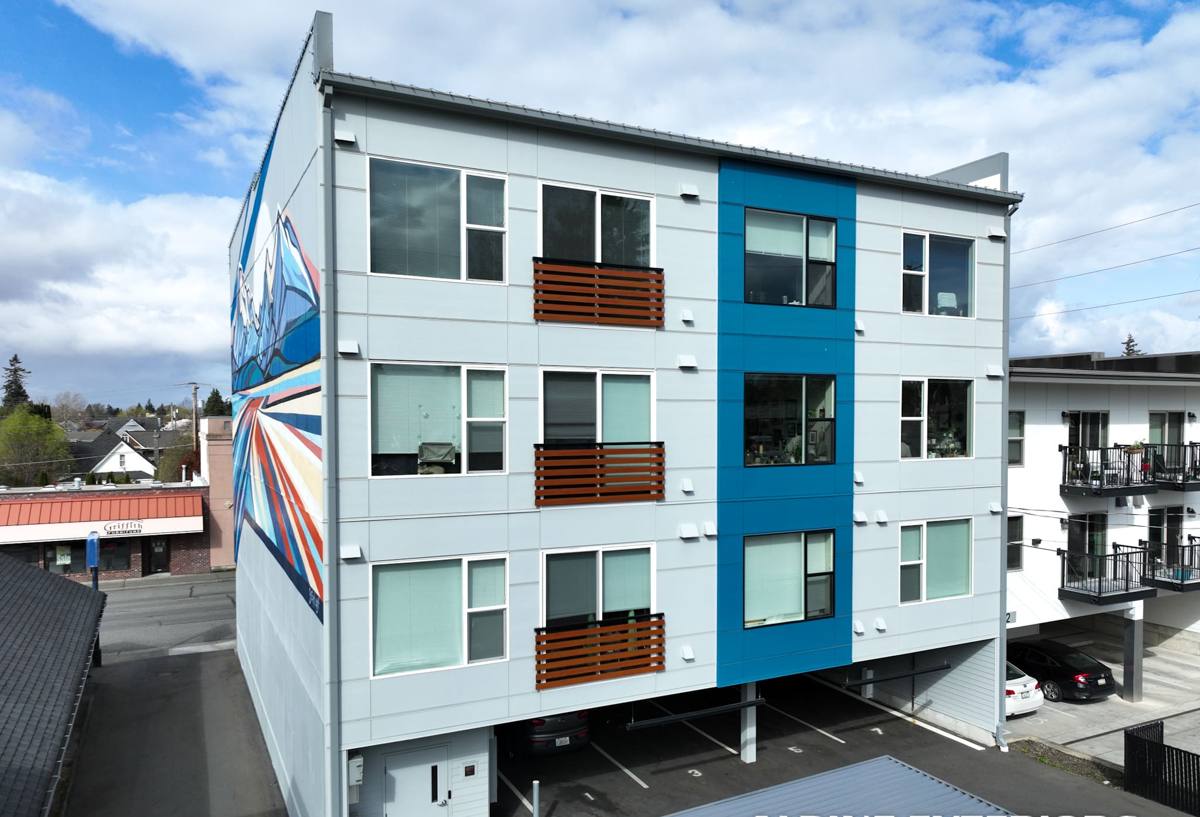
What South Hill's Elevation and Climate Do to Windows
Wind and Elevation Exposure
Sitting higher than the neighborhoods closer to the bay means South Hill homes take wind more directly, and wind is what turns ordinary rain into wind-driven rain that gets pushed sideways into window frames and seams instead of running straight down and off. Older windows with worn weatherstripping or gaps between the frame and the rough opening lose warm interior air to that wind constantly, which shows up as drafts and a furnace that runs more than it should.
Salt-Laden Marine Air
Bellingham Bay and the greater Whatcom County coastline put enough salt into the air that homes even a mile or two inland feel it over time, and South Hill's height and open exposure mean it catches more of that marine air than a sheltered, low-lying lot might. Salt air is hard on window hardware, especially older aluminum frames and lower-grade fasteners, accelerating corrosion and pitting in ways that stiffen hinges, jam locks, and eventually let seals fail years earlier than they would in a drier inland climate.
A Long Moss and Mildew Season
Whatcom County's mild, wet weather keeps moss and mildew active across most of the year, and shaded, tree-covered lots like a lot of South Hill's are exactly the conditions moss favors. Window sills, wood trim, and the corners where trim meets siding are common places it takes hold, especially on north-facing elevations that don't get much direct sun to dry out between rain events. Left alone, that moisture holds against wood trim and framing long enough to start real rot underneath a finish that still looks fine from a few feet away.
Heat Loss and Interior Condensation
Cold, damp winters against a warm interior create real condensation pressure on glass and frames, and older single-pane or early double-pane windows show it constantly — fogged glass, moisture beading on interior sills, cold spots radiating off the glass even when the window is shut tight. That's not just a comfort issue; it's heat leaving the house and, over time, moisture finding its way into wood sashes and sills that weren't built to handle it.
Signs a South Hill Home Is Losing Energy Through Its Windows
- Rooms near windows that feel noticeably colder than the rest of the house in winter
- Visible fog or moisture trapped between the panes of a double-pane window
- Drafts you can feel with a hand held near the frame, even with the window fully latched
- A furnace or heat pump that runs longer or more often than it used to
- Wood sills or trim that feel soft, look discolored, or show early rot
- Windows that are hard to open, close, or lock compared to when they were newer
- Condensation pooling on interior sills on cold mornings
What Actually Makes a Window Energy-Efficient
"Energy-efficient" gets used loosely in window marketing, so it's worth being specific about what actually drives performance, because the label alone doesn't tell you much.
Frame Material
Vinyl and fiberglass frames both resist rot and don't conduct heat the way an uncladded wood or older aluminum frame does, which matters directly in a climate that stays wet and mild most of the year. Vinyl is generally the more affordable option and performs well here; fiberglass tends to hold up better across temperature swings and can be painted if a homeowner wants more color flexibility than standard vinyl offers.
Glazing, Coatings, and Gas Fills
Double-pane glass is the baseline for real efficiency gains over single-pane, and triple-pane is worth considering on especially exposed or noise-sensitive elevations, though it adds cost and weight. Low-E coatings applied to the glass help the window hold interior heat in winter and reject unwanted solar heat in summer, and they also help cut down on the interior condensation that's common on cold South Hill mornings. Argon or krypton gas fills between the panes add a further layer of insulation compared to plain air fill.
The Whole-Window System, Not Just the Glass
A window's real-world performance comes from the frame, the glazing, and the seal between them working together — not the glass package alone. Two windows can carry similar glazing specs and perform very differently if one has a tighter, better-engineered frame and sash seal than the other. That's part of why we walk homeowners through the whole window system rather than selling on glass specs in isolation.
Comparing Window Options for a South Hill Home
| Factor | Vinyl | Fiberglass | Wood-Clad |
|---|---|---|---|
| Upfront cost | Lowest | Mid to higher | Highest |
| Rot resistance | Excellent | Excellent | Good if cladding stays intact |
| Performance in marine air | Strong | Strong | Good, but cladding seams need attention |
| Color/finish flexibility | Limited, factory colors | Can be painted | Widest range, interior wood look |
| Long-term maintenance | Low | Low | Higher — seams and interior wood need upkeep |
Most South Hill replacement projects land on vinyl or fiberglass, simply because both hold up well against this climate's moisture and marine air without the ongoing maintenance a wood-clad window asks for. Wood-clad windows still have a place for homeowners who want a specific interior wood look, but it's worth going in with clear eyes about the extra upkeep that comes with it. Costs vary a lot by size, configuration, and how many openings are involved — anywhere from a few hundred dollars per window at the low end to well over a thousand for larger or custom units — so a specific number really needs a walk-through rather than a rule of thumb.
Installation: The Detail That Determines Whether Efficiency Gains Actually Show Up
A high-performing window installed poorly will underperform a mid-grade window installed correctly, and this is where a lot of energy-efficient window projects fall short of what homeowners expect. Flashing has to lap correctly with the surrounding weather-resistive barrier and siding, directing any water that does reach the opening back out instead of trapping it behind the wall. The gap between the window frame and the rough opening needs to be properly insulated and air-sealed — a gap packed loosely with old fiberglass insulation, or left partly open, bleeds heat no matter how good the window itself is rated. Caulk has a role in this process, but it's a supplement to proper flashing and air sealing, not a substitute for either.
Common Mistakes We See on Older South Hill Homes
The most common issue we find on window calls in this neighborhood isn't a failed window unit — it's a previous installation where flashing was skipped or shortcut, or where the gap around the frame was never properly sealed. Both mistakes are invisible from the outside for a while and then show up later as drafts, higher energy bills, or water damage inside the wall.
Replacement vs. Repair: How We Make the Call
Not every window on a South Hill property needs full replacement to improve energy performance. A window with a sound frame and functional hardware but a failed seal between panes is often a reasonable repair or reglaze candidate. A window with rotted framing, a warped sash, or hardware that's been failing for years usually isn't — the labor to keep patching a compromised frame adds up faster than a proper replacement would, and a failing frame will keep undermining energy performance no matter what glass sits in it.
Our Process for South Hill Window Projects
We start with an on-site walk-through of the existing windows, checking frame condition, seal integrity, hardware function, and how the current flashing ties into the siding around each opening. From there we give a straightforward read on which windows are reasonable repair candidates and which make more sense to replace, along with a written scope before any work begins. Flashing and air-sealing detail are standard on every window we install, not an upgrade homeowners have to request separately. Lead times on ordering custom-sized replacement windows can run several weeks, so we build that into the schedule up front rather than leaving it as a surprise late in the project.
A Checklist Before Hiring for Window Work in South Hill
- Ask how the contractor handles flashing and air sealing, not just which window brand they carry
- Confirm current Washington contractor licensing and active liability insurance
- Get a written scope that separates the manufacturer's product warranty from the installer's workmanship warranty
- Ask for a specific repair-or-replace recommendation for each window, not a blanket answer for the whole house
- Ask about realistic lead times for ordering, especially for custom sizes
- Ask how they protect existing siding and trim during removal and installation
Why a Local Crew That Already Works South Hill Matters
A contractor who works this neighborhood regularly already knows how exposed a hillside lot can be compared to one closer to the bay, how much salt-laden air an elevated site catches, and how long moss and moisture sit on a shaded, tree-covered property before they start doing real damage. That knowledge shows up in the decisions that actually determine how a window installation performs — how much lap a flashing detail gets, whether the air gap around the frame gets properly sealed instead of just caulked over, which frame material gets recommended for a specific elevation's exposure. Those are the details that decide whether an energy-efficient window upgrade delivers for one winter or for decades.
If your South Hill home has drafty, foggy, or hard-to-operate windows — or you're just not sure whether repair or replacement makes more sense — we're glad to take a look and give an honest read. Reach out below for a free, no-pressure estimate.