 Bellingham Siding
 Asphalt Shingle Roofing Built for Ferndale's Climate
Ferndale sits close enough to the water and open farmland that roofs here take a different kind of beating than roofs twenty miles inland. Salt-laden air off the Strait works into metal fasteners and flashing over time. Driving rain, pushed sideways by wind off the water, finds every weak seam a roof has. And Whatcom County's long, wet moss season means organic growth is a year-round concern rather than a seasonal nuisance. An asphalt shingle roof that's installed correctly for these conditions can go the distance. One that's installed to a generic spec, without accounting for local weather, tends to show problems early — granule loss, lifted edges, moss intrusion, and slow leaks that don't show up until the damage is already done underneath.
This page is specifically about asphalt shingle roofing for homes in and around Ferndale — what the climate demands, what a correct installation actually involves, and how we approach the job so it holds up.
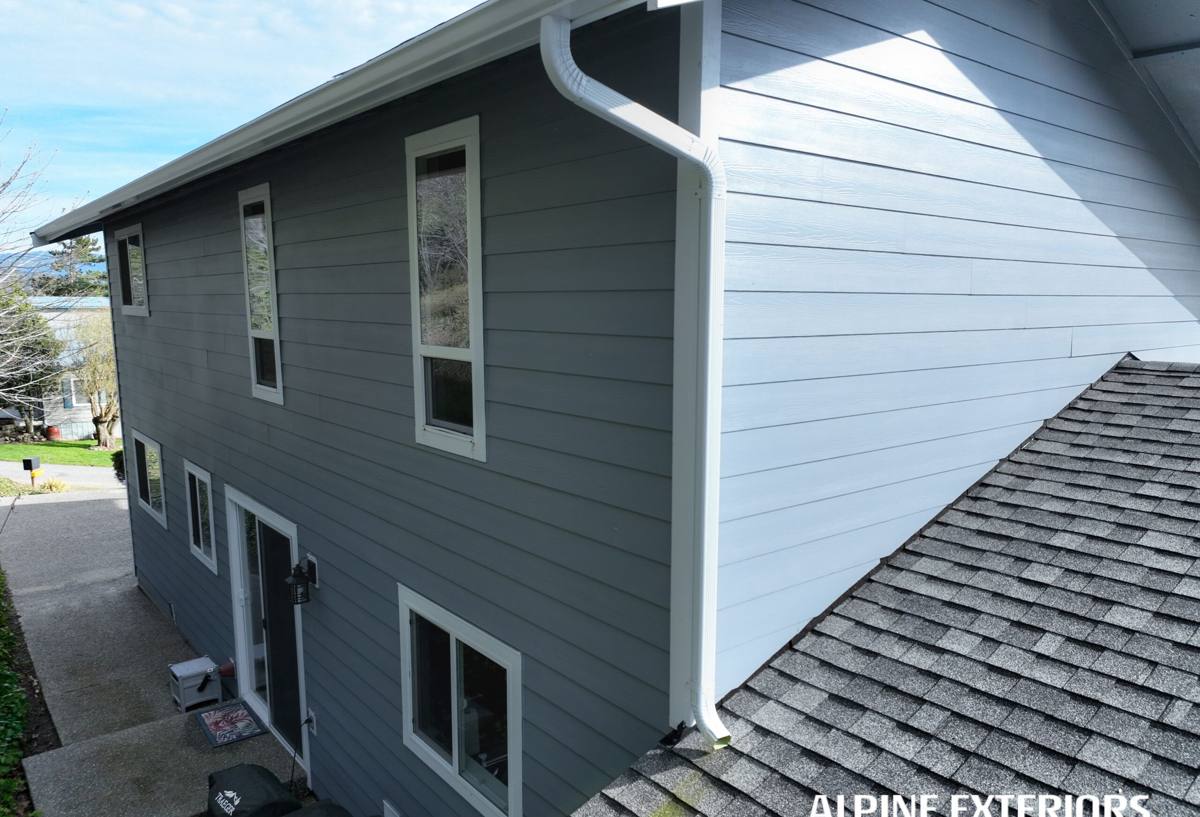
What Ferndale's Weather Does to a Roof
Salt Air and Moisture
Proximity to Bellingham Bay and the Strait of Georgia means the air here carries more salt than roofs further inland ever see. Salt accelerates corrosion on exposed metal — nail heads, flashing, vent stacks, and gutter hardware are all vulnerable if the wrong materials or fastening methods are used. It also holds moisture against roofing surfaces longer, which matters for how shingles age and how underlayment performs over years of exposure.
Driving Rain
Rain in this part of Whatcom County doesn't always fall straight down. Wind off the water pushes it sideways, which means it can work its way up under shingle edges, around chimneys, and through poorly lapped flashing if those details aren't done right. A roof that would be fine in a calmer climate can leak here simply because the installer didn't plan for wind-driven rain.
Moss and Organic Growth
Shade, moisture, and mild temperatures are exactly what moss wants, and Ferndale offers all three for a good chunk of the year. Moss holds water against the shingle surface, lifts shingle edges as it grows, and works its way into gaps over time. Left unmanaged, it shortens the life of an otherwise sound roof.
What a Correct Asphalt Shingle Installation Looks Like
Asphalt shingles are a proven, cost-effective roofing material — but their performance depends almost entirely on the installation underneath them, not just the shingle itself. For Ferndale homes, we pay particular attention to a few details that generic installations often shortcut:
- Ice and water shield at vulnerable points — valleys, eaves, and around penetrations, to guard against wind-driven rain and any freeze-thaw activity in colder stretches.
- Proper underlayment coverage — a synthetic or felt underlayment installed as a real second layer of protection, not just a formality under the shingles.
- Metal flashing at every transition — chimneys, sidewalls, skylights, and roof-to-wall connections are where leaks most often start, and they need step flashing and counterflashing done correctly, not caulk as a substitute.
- Corrosion-resistant fasteners and hardware — given the salt air, we don't cut corners on nail and flashing material quality.
- Balanced attic ventilation — intake and exhaust ventilation that keeps the roof deck at a stable temperature and moisture level, which extends shingle life and helps prevent moss and mildew from taking hold on the underside of the deck.
- Proper nailing pattern and shingle exposure — installed to manufacturer specification, not sped up with fewer fasteners or wrong nail placement, which is one of the most common causes of early wind damage.
Shingle Options and How to Think About Them
Not every asphalt shingle is built the same way, and for a climate like Ferndale's, the differences matter more than they would somewhere drier. Here's a general comparison of the common tiers homeowners choose between:
| Shingle Type | Typical Lifespan | Best Suited For | Considerations |
|---|---|---|---|
| 3-tab / standard | 15–20 years | Budget-conscious projects, simpler rooflines | Lighter weight, less wind resistance, thinner profile means less margin for error in coastal conditions |
| Architectural / dimensional | 25–30 years | Most Ferndale homes | Heavier, better wind rating, more resistant to lifting from driving rain and gusts |
| Premium / designer | 30+ years | Homes wanting maximum durability or a specific aesthetic | Higher upfront cost, often the strongest warranty structure, best long-term value in harsh-weather areas |
We don't push a single tier on every homeowner — the right choice depends on your roofline, your budget, and how long you plan to stay in the home. What we do insist on is that whichever shingle you choose gets installed the way its manufacturer specifies, with attention to the local conditions described above. A premium shingle installed poorly will still fail early, and a standard shingle installed correctly will outperform expectations.
Moss Prevention and Roof Maintenance
Because moss season runs long here, we build moss resistance into the installation itself rather than treating it as an afterthought. That means proper ventilation to reduce the moisture moss thrives on, and in many cases zinc or copper strips near the ridge, which release trace metal ions with rainfall that inhibit moss growth over time without harsh chemical treatments. We also talk through a basic maintenance rhythm with every homeowner:
- Keep overhanging branches trimmed back so the roof gets sunlight and airflow, which naturally discourages moss.
- Clear debris from valleys and gutters before the wet season sets in, since trapped organic matter holds moisture against the shingles.
- Have the roof looked at periodically rather than waiting for a visible leak — moss and flashing issues are far cheaper to address early.
- Avoid pressure washing shingles, which can strip protective granules and shorten the roof's life; gentler moss treatment methods protect the shingle surface.
Our Process for Ferndale Roofing Projects
1. On-Site Assessment
We start with a walk of the roof and attic where accessible, checking the condition of the existing deck, ventilation, flashing points, and any signs of moisture intrusion. This tells us whether it's a straightforward reroof or whether deck repair or ventilation upgrades should be part of the scope.
2. A Straightforward Quote
You get a clear breakdown of materials, labor, and any additional work like flashing replacement or ventilation improvements — no vague allowances that turn into surprise change orders once the job starts.
3. Tear-Off and Deck Inspection
Old roofing comes off down to the deck so we can actually see what's underneath. Any soft or damaged decking gets identified and addressed before new materials go down — installing over a compromised deck just hides a problem instead of fixing it.
4. Underlayment, Flashing, and Shingle Installation
This is where the details covered above — ice and water shield, proper flashing, correct fastening — actually happen. It's also the stage where corners get cut on rushed jobs, which is why we don't rush it.
5. Final Walkthrough
We walk the completed roof with you, cover what was done, and go over basic care so you know what to expect from the roof going forward.
Why a Locally Experienced Crew Matters
A roofing crew that regularly works Ferndale and the surrounding Whatcom County area already knows how the wind behaves off the water, which flashing details tend to fail first in this climate, and how aggressive moss growth gets on north-facing slopes shaded by trees. That's knowledge you don't get from a generic install checklist — it comes from doing the work here, season after season. We'd rather build that experience into your roof upfront than have you find out the hard way what a roof designed for a different climate misses.
Signs Your Ferndale Home May Need Roofing Attention
- Granules collecting in gutters or at the base of downspouts
- Shingle edges curling, cupping, or visibly lifting
- Moss or dark streaking spreading across shingle surfaces
- Daylight visible through the attic roof deck
- Water stains on interior ceilings, especially near chimneys or valleys
- A roof approaching or past 20 years old with no major work done
Any one of these is worth a look before it turns into a larger repair. Catching flashing or ventilation issues early is almost always cheaper than dealing with the water damage that follows once they're ignored.
Get a Straightforward Estimate
If you're weighing a repair against a full reroof, or just want an honest read on where your roof stands, we're happy to take a look. Fill out the form below for a free, no-pressure estimate on asphalt shingle roofing for your Ferndale home.