 Bellingham Siding
 Roof Repair Built for Happy Valley's Weather, Not a National Average
Happy Valley sits close enough to Bellingham Bay that salt-laden air is a constant, and close enough to the surrounding tree canopy that shade and moisture linger on rooflines longer than they do a few miles inland. Add in Whatcom County's long, wet winters and the short, mild summers that never quite dry a north-facing slope all the way out, and you get a roofing environment that's genuinely harder on materials than what a generic "roof repair" checklist assumes. A shingle, flashing detail, or fastener that holds up fine in a dry climate can fail here in a fraction of the time if it isn't installed with this neighborhood's conditions in mind.
This page is specifically about repairing roofs on homes in Happy Valley — what typically goes wrong, what a repair should actually include, and how we approach the job when we're called out to this part of Bellingham.
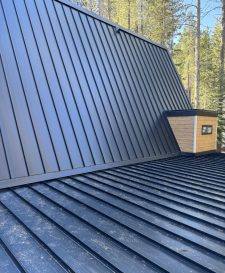
What Bellingham's Climate Does to a Roof Over Time
Moss and Organic Growth
Moss doesn't just sit on top of a roof looking bad — it holds moisture against the roofing surface for weeks at a time, works its way under shingle tabs and edges, and gradually lifts material that's supposed to lie flat and shed water. In neighborhoods with more tree cover and shaded northern exposures, moss season effectively runs most of the year rather than a few weeks. Left unaddressed, moss growth is one of the most common reasons a roof that still has years of material life left starts leaking anyway.
Driving Rain and Wind-Driven Water
Storms coming off the water don't always drop rain straight down — wind pushes it sideways, up under eaves, and into laps and seams that are designed for gravity, not pressure. Flashing around chimneys, skylights, vent pipes, and roof-to-wall transitions takes the brunt of this. A repair that only patches the visible shingle damage and ignores the flashing detail underneath tends to leak again the next time the wind shifts.
Salt Air and Metal Fatigue
Proximity to the bay means metal components — flashing, drip edge, vent caps, fasteners — corrode faster here than they would inland. Corroded flashing loses its seal well before the surrounding shingles show their age, which is why a roof can look "fine" from the ground while the actual weak point is a rusted-through flashing joint you'd only catch on inspection.
Temperature Swings and Freeze-Thaw
Whatcom County doesn't get brutal winters, but it does get enough freeze-thaw cycling to open up small cracks in sealants and caulking that were never a problem in summer. Water gets into a hairline gap, freezes, expands it, and the next rain finds a bigger opening.
Signs a Happy Valley Roof Needs Repair
- Dark streaking or visible moss/algae growth, especially on shaded or north-facing slopes
- Granules collecting in gutters or at downspout outlets
- Shingles that are curling, lifting at the edges, or missing outright
- Rust staining or visible corrosion around flashing, vent pipes, or chimney bases
- Water stains on interior ceilings, especially after a windy storm rather than a calm rain
- Soft or spongy spots when walking the roof (a sign of decking damage underneath)
- Daylight visible through the roof deck from inside an attic
- Sagging along roof lines or gutters pulling away from the fascia
Any one of these on its own doesn't necessarily mean a full replacement — but it does mean the roof needs a real look before the next heavy rain, not an assumption that it'll hold.
What an Honest Roof Repair Actually Involves
A roof repair done right isn't just swapping out a few damaged shingles and calling it done. Depending on what we find, a proper repair on a Happy Valley home typically covers:
Diagnosis Before Anything Gets Replaced
We start by tracing where water is actually getting in, which is often not directly above where the stain shows up inside. Water travels along rafters and decking before it drips, so a leak over a bedroom closet might trace back to a flashing failure several feet away.
Flashing and Sealant Work
Because flashing failure is such a common culprit in this climate, we check and typically re-seal or replace flashing around chimneys, skylights, vent stacks, and any roof-to-wall intersections while we're up there, not just at the specific spot that's leaking.
Decking Repair
If moisture has been sitting under damaged shingles for a while, the plywood or OSB decking underneath can go soft or delaminate. Patching shingles over rotten decking doesn't fix anything — it just hides the problem until it gets worse.
Underlayment
The underlayment is the actual waterproofing layer beneath the shingles. In a wet climate like this one, we use synthetic or self-adhered underlayment in vulnerable areas (valleys, eaves, around penetrations) rather than relying on shingles alone to keep water out.
Moss and Debris Removal
Before any repair, moss and debris get cleared off the work area — patching over moss just traps the moisture problem under new material.
Ventilation Check
Poor attic ventilation traps moisture, which accelerates decking rot and shortens the life of the whole roof system, not just the repaired section. We check soffit and ridge ventilation as part of any repair that involves opening up the roof.
Repair vs. Replacement: How We Make the Call
| Situation | Repair usually makes sense | Replacement usually makes sense |
|---|---|---|
| Age of roof | Under 15-20 years, isolated damage | Approaching or past material lifespan, widespread wear |
| Extent of damage | Localized to one slope, flashing area, or penetration | Multiple slopes affected, granule loss widespread |
| Decking condition | Solid, no rot found on inspection | Soft decking in multiple areas |
| Leak history | First occurrence or isolated recurring spot | Repeated leaks in different locations over time |
| Moss/algae extent | Surface growth, treatable and cleanable | Growth has already lifted shingles across large areas |
We'll always tell you honestly which side of that line your roof falls on. A repair that's likely to fail again within a year or two isn't a good use of your money, and we won't sell one just because it's the smaller job.
Our Process for Happy Valley Roof Repair Calls
- Inspection: We walk the roof (not just look from the ground) and check the attic from inside where accessible, tracing the actual water path.
- Written assessment: You get a clear explanation of what's causing the problem and what fixing it involves — no vague "it needs work" without specifics.
- Scope and estimate: A written scope covering materials, flashing work, decking repair if needed, and cleanup, with an honest cost range.
- The repair itself: Matching shingles and materials as closely as possible to the existing roof, proper flashing and underlayment work in the affected area, and decking replacement if rot is found.
- Cleanup and final check: Debris and old material hauled off, work area checked for stray nails, and a final look to confirm the repair is watertight.
Why Working with a Crew That Already Knows Happy Valley Matters
A roofer who works this specific part of Bellingham regularly already knows which flashing details tend to fail first in salt air, which slopes hold moss longest given the tree cover in this area, and what kind of underlayment and ventilation setup actually holds up through a Whatcom County winter rather than just meeting minimum code. That's not something you get from a crew that mostly works drier inland markets and treats every job the same way. It also means we're not guessing at what "normal wear" looks like for a house in this neighborhood versus something that's actually a defect worth flagging.
Simple Maintenance That Extends the Life of a Repair
- Keep gutters and downspouts clear, especially heading into fall when leaf and needle drop is heaviest
- Have moss treated or removed at the first sign of growth rather than waiting for a full season of buildup
- Trim back tree branches that overhang the roof to reduce shade, debris, and physical abrasion
- Check attic ventilation isn't blocked by insulation or storage
- Have the roof looked at after any unusually severe windstorm, even if nothing looks obviously wrong from the ground
- Address small leaks immediately — a slow drip today is decking rot in a year
What a Repair Typically Costs
Costs vary a lot depending on what's actually wrong, so we won't quote a number without seeing the roof — but broadly, a small flashing or shingle repair on an accessible roof section is a modest job, while anything involving decking replacement, multiple flashing points, or a larger affected area moves into a bigger range. We'll always walk you through what's driving the cost before any work starts, and we'd rather tell you a repair isn't worth it than talk you into one that won't hold.
If you're seeing signs of trouble on a Happy Valley roof — or just want an honest read on whether that stain in the ceiling is a small fix or something bigger — we're happy to come take a look. The estimate is free, there's no pressure, and you'll get a straight answer either way. Fill out the form below to get started.