 Bellingham Siding
 Birch Bay's Shoreline Climate Is Hard on a Roof
Birch Bay sits right on the water north of Bellingham, along the Whatcom County coastline, and that location comes with a roofing problem most inland neighborhoods don't deal with in the same way. Homes here take on salt-laden air off the bay, wind-driven rain that comes in sideways during winter storms, and long stretches of damp shade that keep moss thriving nearly year-round. A roof that would hold up fine a few miles inland can wear out early here if it wasn't built with the shoreline in mind.
We work throughout the Bellingham area, and Birch Bay is one of the places where we see the clearest difference between a roof that was installed correctly for coastal exposure and one that wasn't. Metal roofing, done right, is one of the better answers to that exposure — but "metal roofing" covers a wide range of products and installation quality, and not all of it is suited to a bay-front lot the same way.
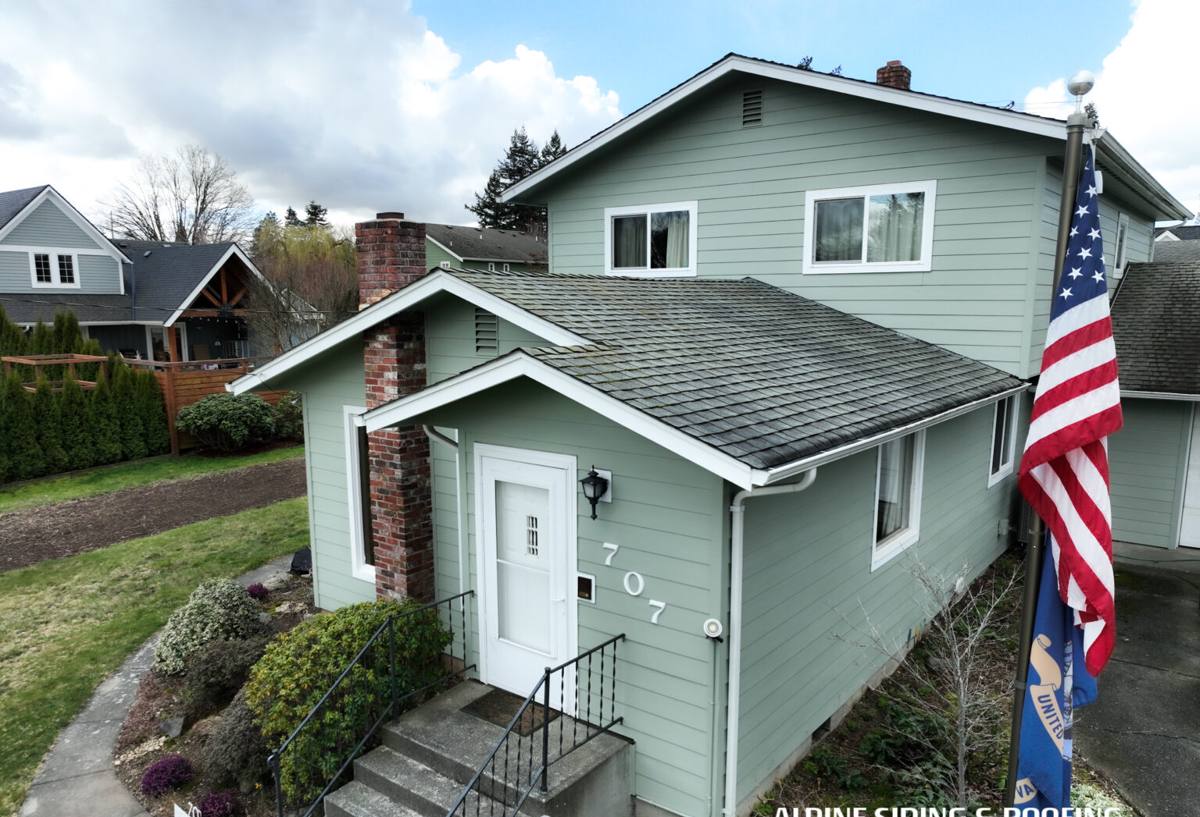
What Salt Air, Wind-Driven Rain, and Moss Actually Do to a Roof
Salt Air and Corrosion
Airborne salt is corrosive to unprotected or poorly coated metal. Fasteners, flashing, and panel edges are usually the first places it shows up, especially where two dissimilar metals touch or where a coating has been scratched during installation. Over years, that slow corrosion is what turns a small maintenance issue into a leak.
Driving Rain and Wind
Storms off the water don't just drop rain straight down — they push it sideways and up under laps, seams, and flashing that would shed water fine in a calmer setting. Roofs closer to the bay need tighter seams, properly lapped underlayment, and flashing detail that accounts for wind-driven moisture, not just gravity.
Moss and Shade
Whatcom County's wet winters and mild, overcast stretches give moss exactly what it needs — moisture and shade — and Birch Bay's tree cover and marine humidity make it worse in low-slope areas, valleys, and north-facing sections that dry out slowly. Moss holds moisture against roofing material longer than it would otherwise sit, which shortens the life of anything not suited to handle it.
Why Metal Roofing Holds Up Better on the Bay
Metal roofing isn't magic, but a correctly installed, quality metal system gives Birch Bay homeowners a few real advantages over other roofing types in this specific climate:
- Steep-profile metal sheds water and wind-driven rain faster than materials that rely on layered granules or shingles to slow water down
- Metal doesn't hold moisture the way organic or granular roofing surfaces can, which gives moss less to grab onto
- Factory-applied coatings on quality panels are built to resist coastal corrosion far better than uncoated or poorly finished material
- A well-installed metal roof typically outlasts asphalt shingle roofing by decades, which matters when you're paying a coastal-exposure premium for materials up front
That said, metal roofing is also less forgiving of installation mistakes than some other roofing types. Fastener backout, mismatched metals at flashing points, and improper panel overlap show up faster and more visibly on a metal roof — which is exactly why installation quality matters more here, not less.
Choosing the Right Metal Roofing System
Not every metal roofing product is a good match for a bay-front home. Here's how the main options compare for a Birch Bay property:
| System | Coastal Durability | Appearance | Best Fit |
|---|---|---|---|
| Standing seam | Excellent — concealed fasteners, fewer penetration points for salt air to attack | Clean, modern lines | Homes with direct or near-direct bay exposure |
| Exposed-fastener panel | Good, but fastener seals need periodic checking as they age | Traditional ribbed metal look | Budget-conscious projects set back from direct wind exposure |
| Stone-coated steel | Very good — coating adds an extra layer of protection over the steel | Mimics shingle or tile profiles | Homeowners who want a metal roof's durability with a more traditional look |
We'll walk you through which of these actually fits your home's exposure, roof pitch, and budget rather than defaulting to one product for every job. A roof on a sheltered lot set back from the water doesn't always need the same spec as one facing open water.
What a Correctly Installed Metal Roof Includes
The panel material is only part of the job. Most of the roof's actual weather resistance comes from what's underneath and around it:
- Underlayment: a synthetic or self-adhered underlayment rated for the exposure, not just whatever comes cheapest
- Ice-and-water barrier: installed at eaves, valleys, and any low-slope transitions where wind-driven rain is most likely to work its way back under panels
- Fasteners: corrosion-resistant fasteners matched to the panel metal, to avoid galvanic corrosion between dissimilar metals
- Flashing: properly formed and lapped at every penetration, valley, and wall intersection — this is where the majority of roof leaks actually originate, metal or otherwise
- Ventilation: adequate intake and exhaust airflow so moisture doesn't build up in the attic space and work against the roof from underneath
Skipping or cutting corners on any one of these will shorten the life of even a good panel system. It's the combination — the right panel, installed with the right underlayment, flashing, and fastening for this specific climate — that gets you the durability metal roofing is known for.
Our Process, Start to Finish
We keep the process straightforward and give you a clear picture of what's happening at each stage:
- Inspection and estimate: we look at your existing roof, deck condition, ventilation, and exposure to the bay, and walk you through what we find
- System recommendation: we recommend a panel type and detailing based on your home's actual exposure and roof design, not a one-size answer
- Tear-off or deck assessment: we check the decking underneath for rot or damage before anything new goes on — this gets addressed up front, not discovered halfway through
- Underlayment and flashing installation: the part of the job that does the most work over time gets done first and done right
- Panel installation: panels go on with correct fastening, overlap, and sealing for the system you chose
- Final walkthrough: we go over the finished roof with you, including what to expect for maintenance going forward
Maintenance Birch Bay Homeowners Should Expect
A metal roof needs less upkeep than most alternatives, but "less" doesn't mean "none" — especially this close to the water. A simple seasonal checklist:
- Clear debris and fallen leaves from valleys and low-slope areas where moisture and moss tend to collect
- Check gutters and downspouts before the winter storm season so wind-driven rain has somewhere to go
- Look for early moss growth in shaded sections and treat it before it spreads
- Have flashing points and fastener seals checked periodically, particularly after a major windstorm
- Rinse off salt residue on panels near direct bay exposure if it visibly builds up
What Influences the Cost of a Metal Roof
Costs vary by home, but the main factors we walk homeowners through are consistent:
| Factor | Why It Matters |
|---|---|
| Panel system chosen | Standing seam typically costs more up front than exposed-fastener panel, reflecting fewer penetration points and longer service life |
| Roof complexity | Valleys, dormers, and multiple roof planes add labor and flashing work |
| Deck condition | Rotted or damaged decking found during tear-off adds repair cost but shouldn't be skipped |
| Exposure level | Homes with direct bay exposure may warrant upgraded underlayment or flashing detail, which affects price |
| Tear-off vs. overlay | Removing old roofing adds cost but lets us properly inspect and prep the deck underneath |
We give straightforward, itemized estimates so you can see what you're paying for and why, rather than a single lump number.
Why Hire a Crew That Already Works in Birch Bay
A contractor who's worked on homes along this stretch of Whatcom County coastline already knows which details matter here — how far wind-driven rain travels up under a poorly lapped seam, which panel finishes actually hold up to salt air over time, and where moss tends to establish itself on a shaded, moisture-heavy roof. That's not something you can fully account for with a generic installation approach built for a drier, more sheltered inland climate. It shows up in fewer callbacks, fewer surprises, and a roof that's actually built for the conditions it has to survive.
If you're considering a metal roof for your Birch Bay home, we're happy to take a look and give you a straightforward, no-pressure estimate — just fill out the form below and we'll go from there.