 Bellingham Siding
 Building New in Puget? The Windows Are Where Most Callbacks Start
If you're framing a new home or an addition in the Puget area near Bellingham, the windows are one of the few components that have to be right the first time. Once siding, trim, and interior finish go on top of a window opening, a flashing mistake or a bad sealant joint is buried — and it usually doesn't show up as a problem until a wet winter two or three years down the road. New-construction window work is different from a retrofit or replacement job: you're building the water management system for that opening from scratch, not working around what's already there. That's the part worth getting right, and it's the part we focus on.
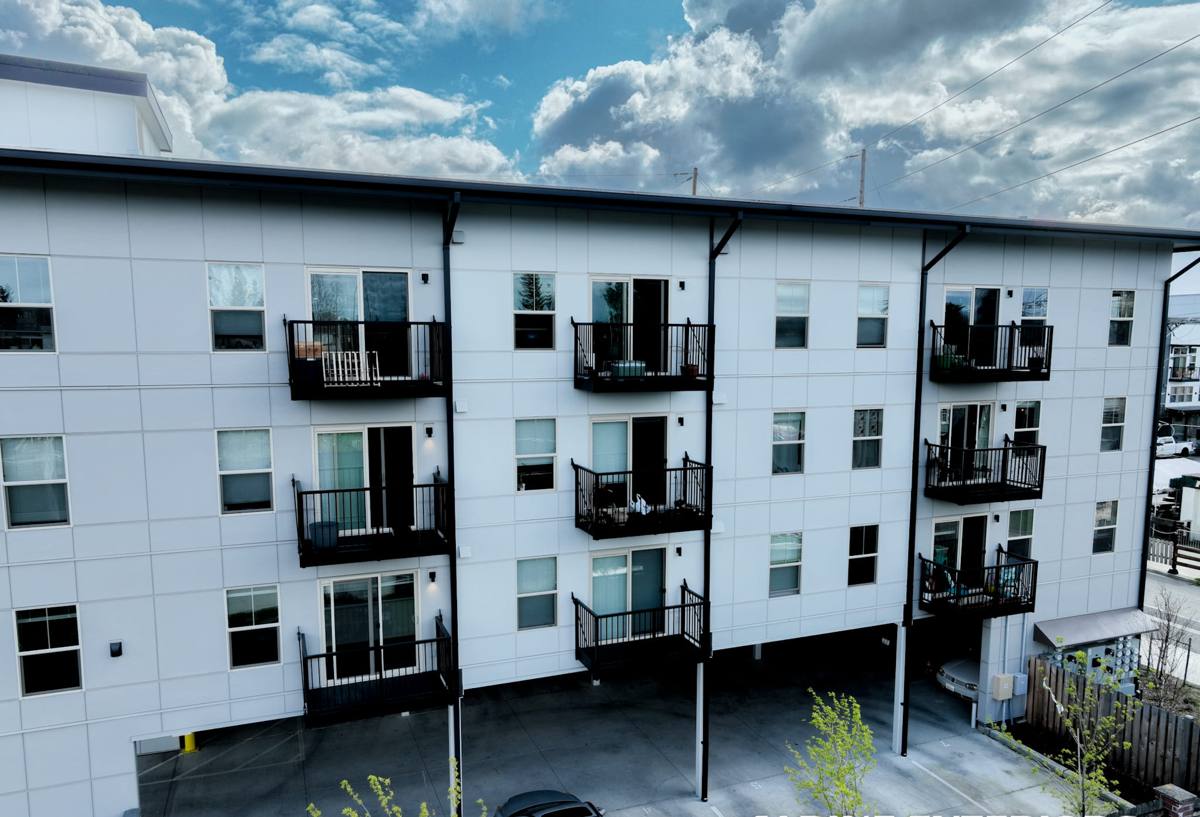
What Bellingham's Climate Asks of a New Window Opening
Whatcom County sits right where salt air off the Puget Sound, long stretches of driving rain, and a genuine moss season all overlap for months at a time. None of that is dramatic on its own, but stacked together over a full winter, it puts steady pressure on anything installed without proper drainage and sealing.
Salt Air
Homes closer to the water pick up airborne salt that accelerates corrosion on exposed fasteners, hardware, and lower-grade metal flashing. It doesn't ruin a window overnight, but it shortens the life of anything not rated for coastal exposure.
Driving Rain
Bellingham's rain doesn't just fall straight down — wind-driven rain pushes water sideways into wall assemblies, which means a window's flashing and drainage plane have to handle water arriving at an angle, not just from above. This is the single biggest factor in whether a new-construction window opening stays dry for the next 30 years.
Moss Season
Extended damp, shaded conditions during much of the year let moss and algae establish on sills, trim, and anywhere water sits instead of shedding. On a new build, that's largely a design and detailing issue — sill pitch, drip caps, and gaps that allow airflow make the difference between a window that stays clean and one that's green by its second winter.
Choosing the Right Window for a Puget New Build
Material choice matters more here than in a drier climate, because whatever you pick is going to sit in sustained moisture exposure for months of the year, every year.
| Frame Material | How It Handles Bellingham's Climate | Maintenance Reality |
|---|---|---|
| Vinyl | Good moisture resistance, no corrosion risk from salt air, stable in this climate range | Low — occasional cleaning, no painting or sealing |
| Fiberglass | Excellent dimensional stability in wet/dry cycling, strong long-term performance near the coast | Low — durable finish, minimal upkeep |
| Aluminum | Conducts cold and can be prone to condensation; needs a marine-grade or coated option near salt air | Moderate — watch for pitting on lower-grade finishes |
| Wood / Wood-Clad | Handles the look homeowners want but is the most exposed to rot if flashing or finish fails | Higher — periodic finish maintenance, especially on exterior faces |
We don't push one material on every job. The right call depends on the home's exposure — how close it sits to open water or prevailing wind, how much roof overhang protects the walls, and what the rest of the exterior is doing. We'll walk through that with you rather than defaulting to whatever's cheapest to install.
What a Correct New-Construction Window Install Actually Involves
"New construction" windows use a nailing fin that gets integrated directly into the wall's water-resistive barrier — this is what separates them from pocket replacement windows, and it's also where most of the long-term performance is decided.
- Rough opening checked for square, level, and correct sizing before the window ever goes in
- Sill pan flashing installed first, sloped to shed any water that gets past the window back to the exterior
- Window set, shimmed, and fastened per the manufacturer's structural requirements — not just "however it fits"
- Flashing tape or flexible flashing lapped correctly at the jambs and head, shingle-style, so water always drains down and out
- Integration with the housewrap or weather-resistive barrier so the window becomes part of one continuous drainage plane, not an isolated patch
- Backer rod and sealant at the interior and exterior gaps, sized and placed per code — not just a bead of caulk around the trim
- Insulation in the gap between frame and rough opening, without over-packing, which can bow the frame
Skip or rush any one of these steps and the window can look perfect from the curb while sitting on a slow, ongoing water problem. This is also exactly the kind of work that inspectors are checking for closely on new builds in this county, so doing it right the first time avoids delays too.
Our Process, Start to Finish
On a new build or addition in the Puget area, we come in at rough framing to review openings before windows arrive — catching sizing or structural issues while they're still cheap to fix. From there:
- We confirm window specs and delivery timing against your framing schedule so openings aren't sitting exposed longer than necessary
- Sill pans and flashing go in ahead of the window, keyed into your wall's drainage plane
- Windows are set, fastened, and flashed following manufacturer instructions and current code requirements for this jurisdiction
- We photograph flashing and integration details before they're covered by siding or trim, so there's a record of what's behind the finish
- Final air-sealing and interior trim-out happen after the building is weathered-in
We coordinate directly with your builder or general contractor on scheduling so window install doesn't become the bottleneck holding up siding, trim, or inspections.
Where We See New Builds Go Wrong in This Area
Most of the problems we get called to fix on newer homes in the Bellingham area trace back to a handful of repeatable mistakes: flashing installed in the wrong order (so water gets trapped instead of shed), caulk used as a substitute for proper flashing rather than a backup to it, sills without enough pitch to drain, and window openings that weren't checked for square before the window went in — which stresses the frame and the seals around it for the life of the window. None of these are exotic failures. They're all things that get caught by following the sequence correctly the first time.
What to Ask Before You Sign a Window Contract
- Will you install sill pan flashing on every opening, not just where it's "required"?
- How do you integrate window flashing with our housewrap or weather barrier?
- Are your installers trained on this specific window line's installation instructions?
- Will rough openings be checked for square and size before windows are installed?
- What's the manufacturer's warranty, and does your installation meet the terms needed to keep it valid?
- Can you work directly with our builder's schedule without becoming the delay?
Why a Crew That Already Works Puget Matters
A window install crew that mostly works dry-climate jobs will build to a general code minimum and call it done. A crew that works new construction around Bellingham and the Puget Sound regularly sees what actually happens to an under-flashed opening after a few wet winters — because we're often the ones called back to fix it. That's not a knock on any one product or builder; it's just what driving rain and a long moss season do to shortcuts over time. Knowing this climate means building in the margin that Whatcom County weather actually requires, not just what a spec sheet says is the minimum.
Cost Factors on a New-Construction Window Job
| Factor | Why It Moves the Price |
|---|---|
| Window count and size | More openings and larger units mean more material and labor hours |
| Frame material | Fiberglass and higher-end vinyl cost more upfront than builder-grade options but need less upkeep |
| Wall assembly complexity | Multiple sheathing/barrier layers or unusual wall systems take more time to flash correctly |
| Site exposure | Homes with more direct wind and rain exposure may warrant upgraded flashing details |
| Access and building height | Multi-story openings or difficult site access add labor time |
| Coordination timing | Working around a tight builder schedule can add or reduce cost depending on sequencing |
We'll walk your plans and give you a real number tied to your actual window schedule, not a rough per-opening guess.
If you've got a new build or addition going up in the Puget area and want a crew that treats window flashing as the most important step rather than an afterthought, we're glad to take a look at your plans. Reach out for a free, no-pressure estimate using the form below.