 Bellingham Siding
 Storm Damage Roof Repair for Puget-Area Homes
If you live in the Puget area near Bellingham, you already know the roof over your head works harder than roofs in drier parts of the country. Winter storms roll in off the water with sustained wind and driving rain, and the roof takes the brunt of it season after season. When a storm passes through and you're left with lifted shingles, a new leak, or debris damage, you need a repair that's built for the next storm, not just a patch that gets you through the week.
This page covers what storm damage roof repair actually involves for homes in and around Puget, why the local climate changes how the work should be done, and what to expect if you call us out for an assessment.
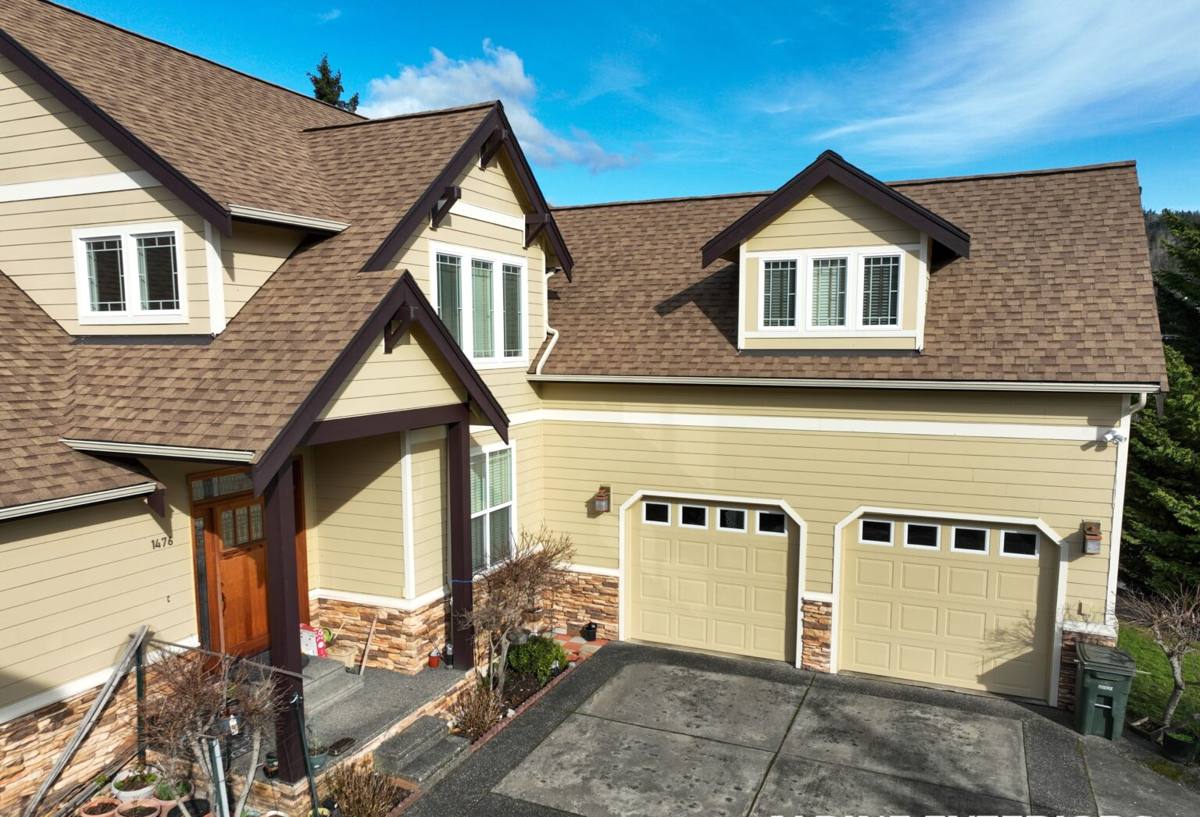
What Coastal Storms Do to a Whatcom County Roof
Whatcom County roofs deal with a specific combination of conditions that inland roofs rarely see all at once: wind-driven rain, salt-laden air off the Sound, and a long stretch of the year where moss and moisture never really let the roof dry out. Each of these stresses a roof in a different way, and storm damage repair has to account for all three, not just the obvious wind damage.
Wind and Driving Rain
Storms here don't just drop rain straight down — wind pushes it sideways and up under shingle edges, flashing laps, and vent boots. A roof that would shed a normal rain shower without issue can take on water during a wind event because the water is being forced into gaps that were never designed to face that kind of pressure. This is why storm damage often shows up as a leak somewhere other than where the shingles look obviously torn or missing.
Salt Air and Metal Fatigue
Proximity to Puget Sound means salt air is a real factor for roofing metal — flashing, fasteners, gutter hardware, and any exposed roofing nails. Salt exposure speeds up corrosion, and corroded flashing or fasteners are a common hidden cause of leaks that homeowners assume are shingle problems. A repair that reuses corroded metal instead of replacing it is a repair that fails again within a year or two.
Moss and Prolonged Moisture
Bellingham's long moss season keeps roof surfaces damp for extended stretches, which softens shingle granules over time and lets moss and moisture work into seams that would otherwise stay tight. A storm that hits a roof already carrying moss growth and trapped moisture does more damage than the same storm would do to a clean, well-maintained roof. Storm repair often needs to address the moss and drainage issue at the same time, or the same spot will fail again with the next heavy rain.
Signs Your Puget-Area Roof Has Storm Damage
Storm damage isn't always dramatic. Some of the most costly damage is the kind that isn't visible from the ground. After any significant wind or rain event, it's worth checking for the following:
- Shingles that look lifted, curled, or creased along their edges, especially on the side of the roof that faced the wind
- Granules collecting in gutters or at the base of downspouts — a sign of shingle surface wear from wind and moss combined
- New or worsening water stains on ceilings or in the attic, particularly near chimneys, vents, or valleys
- Flashing that's visibly bent, lifted, or separated from the roof or wall it's supposed to seal
- Debris damage — branches, needles, or impact marks from anything the wind carried onto the roof
- Sagging or soft spots on the roof deck, which usually means water has already gotten past the surface
- Gutters pulling away from the fascia or overflowing during rain, which lets water run down the siding instead of away from the house
Any one of these on its own might be minor. Several together, or anything involving active water intrusion, is worth a prompt look before the next storm makes it worse.
What a Correct Storm Damage Repair Involves
Start With an Honest Assessment
A correct repair starts on the roof, not with a guess from the ground. That means checking the full roof surface, not just the spot where the leak is showing up inside the house, because water travels along the deck before it drips through the ceiling. It also means checking flashing, vents, valleys, and gutter attachment — the places storm damage most often originates on a Puget-area roof.
Match the Repair to the Cause, Not Just the Symptom
If a leak is caused by corroded flashing, replacing a shingle over it doesn't fix anything — the water will find the same path again. A proper storm repair replaces the failed component, whether that's flashing, underlayment, decking, or shingles, and reseals it correctly for wind-driven rain rather than just for straight-down rain. On a roof that's dealt with a lot of moss, we'll also flag whether treatment or improved drainage should be part of the fix so the repair actually holds.
Use Materials Rated for the Exposure
Not every fastener or flashing product holds up the same way near salt air. We use corrosion-resistant materials on repairs in this area rather than whatever is cheapest, because a repair that corrodes out in two years costs more in the long run than doing it right the first time.
Repair or Replace? What Actually Drives That Decision
Storm damage doesn't automatically mean a full roof replacement, and it doesn't automatically mean a quick patch is enough either. The right call depends on a few honest factors:
| Factor | Leans Toward Repair | Leans Toward Replacement |
|---|---|---|
| Age of roof | Under 12-15 years, in otherwise good condition | Near or past its expected lifespan |
| Extent of damage | Isolated to one area — a valley, a section of flashing, a few shingles | Spread across multiple sections or slopes |
| Decking condition | Solid, dry decking under the damaged area | Soft, rotted, or water-stained decking found on inspection |
| History of prior repairs | First real issue on an otherwise sound roof | Repeated patches over the same trouble spots |
| Moss/moisture history | Manageable with cleaning and minor drainage fixes | Chronic moss buildup affecting large sections |
We'll walk you through which category your roof falls into and why, in plain terms, before recommending either option.
Our Process for Puget Storm Damage Calls
- Contact and initial questions. We ask what happened, when, and what symptoms you're seeing — this helps us prepare for the specific type of damage before we arrive.
- On-roof inspection. We check the full roof, not just the reported problem area, since wind-driven storms often cause damage in more than one spot.
- Attic and interior check when relevant. If there's an active leak, we trace it from the interior side too, since the entry point on the roof and the drip point inside aren't always in the same place.
- Clear explanation of findings. You'll know exactly what's damaged, what caused it, and what your repair options are — including if a repair isn't enough and replacement makes more sense.
- Repair work. We fix the actual cause — flashing, decking, underlayment, or shingles as needed — using materials suited to coastal exposure.
- Final check. We confirm the repair area is properly sealed and drainage is working before we consider the job done.
Storm Damage and Insurance Claims
Some storm damage repairs are covered under homeowners insurance, depending on your policy and the cause of the damage — wind and impact damage are commonly covered, while damage tied to long-term neglect or existing wear usually isn't. We're not your insurance adjuster and can't make coverage promises, but we can give you a clear, documented assessment of what happened and what it will take to fix, which is exactly what most insurers ask for when you file a claim. If you're not sure whether it's worth filing, that documentation is a good first step regardless.
Why a Crew That Already Works Puget Matters
A roof repaired by someone unfamiliar with this specific stretch of coastline can end up over-built for problems it doesn't have, or under-built for the ones it does. Knowing how hard the wind typically drives rain in this area, how much salt exposure a given roof orientation actually sees, and how aggressive the local moss season is changes real decisions — which materials to use, where to focus flashing work, and whether a repair will actually hold through the next round of Whatcom County winter storms. That's the difference between a repair that's done once and one you're calling someone back out for next year.
Get a Straight Answer on Your Roof
If your roof took a hit in a recent storm, or you're just not sure whether what you're seeing is worth worrying about, we're glad to come take a look. Fill out the form below for a free, no-pressure estimate — we'll give you an honest read on what's going on and what it would take to fix it right.