 Bellingham Siding
 Fairhaven Roofs Work Harder Than Most
Fairhaven sits close enough to Bellingham Bay that salt-laden air is part of daily life for every roof in the neighborhood, whether it's a century-old character home near the historic district or a newer build up the hill. That salt air, combined with Whatcom County's long wet season and heavy tree cover, creates a combination that ages roofing materials faster than homeowners expect. A roof that would last three decades in a drier inland climate can start showing real trouble in twenty years or less here, and the difference usually comes down to three things: moisture, moss, and marine air.
We replace roofs across Bellingham, but Fairhaven's mix of older housing stock, mature trees, and closeness to the water means the job often needs a slightly different approach than a roof replacement in a drier, more open part of the county. This page walks through what that means in practice.
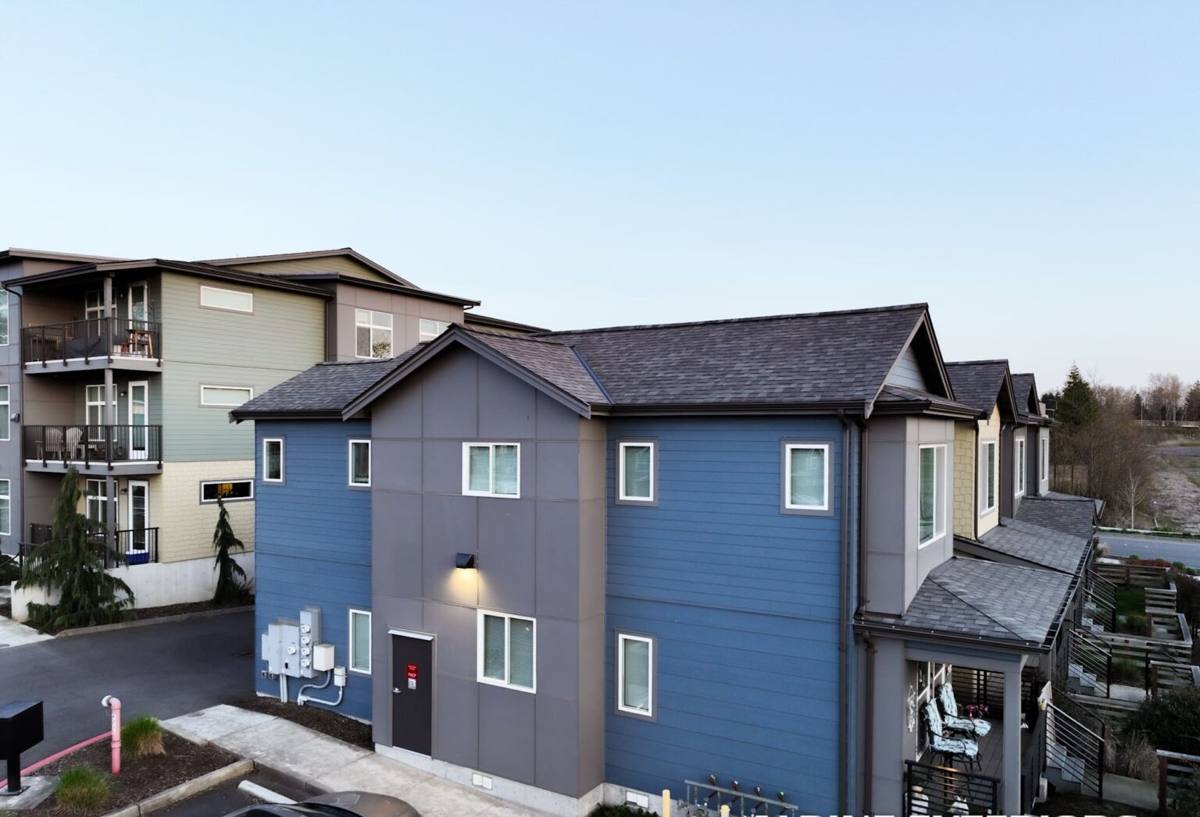
Why the Local Climate Matters More Than People Think
Salt Air and Metal Fatigue
Salt air accelerates corrosion on anything metal on your roof: flashing, fasteners, vents, and gutter hardware. Standard galvanized fasteners can start rusting years before the shingles themselves fail, and once fasteners weaken, shingles lift in wind and let water in at the nail line. This is one of the most common causes of early roof failure we see close to the water in Bellingham, and it's largely preventable with the right hardware from day one.
Driving Rain
Whatcom County doesn't just get a lot of rain, it gets a lot of wind-driven rain off the Strait and the Sound. Rain that comes in sideways finds every weak point in a roof system: under-lapped shingles, poorly sealed valleys, and flashing that was installed to code minimums instead of best practice. A roof built for a calmer climate often isn't built for what Fairhaven actually experiences several months a year.
Moss Season
Between the shade from mature trees common in Fairhaven's older streets and a moss season that can run from fall through spring, moss and algae growth is a near-constant maintenance issue for local roofs. Moss holds moisture against the roofing material, works its way under shingle edges, and lifts them over time. On an aging roof, moss isn't just cosmetic, it's actively shortening the roof's remaining life.
Signs a Fairhaven Roof Is Ready for Replacement
Not every roof problem means a full replacement, but there are signs that patching is no longer the honest answer:
- Granule loss heavy enough that you find sand-like grit collecting in gutters and downspouts
- Shingles that are cupping, curling, or cracking, especially on south and west-facing slopes
- Persistent moss or dark algae streaking that comes back within weeks of cleaning
- Daylight visible through the roof deck from inside the attic
- Soft or spongy spots when walked on, which usually means the decking underneath has taken on moisture
- Interior water stains on ceilings or in the attic, especially near valleys or chimneys
- A roof that is 20-25 years old or older and has never been fully re-roofed, only patched
- Rusted or failing metal flashing around chimneys, skylights, and roof-to-wall transitions
If several of these apply, a targeted repair is often a short-term fix that delays a bigger bill rather than avoiding it. We'll tell you honestly if repair still makes sense for your situation, because a premature full replacement isn't in anyone's interest either.
What a Correct Roof Replacement Actually Involves
A roof replacement is more than stripping old shingles and laying new ones. In a climate like Bellingham's, the parts most people never see are what determine whether the new roof lasts.
Tear-Off and Deck Inspection
Every layer of the old roofing system comes off down to the deck. This is the only point where hidden rot, soft plywood, or old water damage can actually be seen and dealt with. Any compromised decking gets replaced before anything new goes down, because covering damaged decking with new shingles just hides a problem that will resurface.
Underlayment and Water Barriers
Given how much wind-driven rain and standing moisture Fairhaven roofs deal with, underlayment selection matters. Self-adhered ice and water barrier membrane at eaves, valleys, and roof penetrations gives an extra layer of protection in the areas where water intrusion is most likely, on top of a full synthetic underlayment across the rest of the deck.
Flashing
Flashing around chimneys, skylights, sidewalls, and vent penetrations is one of the most common failure points on any roof, and it's often installed poorly or reused during cheaper replacements to save money. We install new flashing, matched to a metal that holds up to salt air rather than corroding out in a few short years.
Ventilation
Proper intake and exhaust ventilation keeps the attic temperature and moisture level balanced, which protects both the new roofing material and the decking underneath from the inside out. Poor ventilation is a quiet cause of premature roof failure that has nothing to do with the shingles themselves.
Material Options for a Salt Air, High-Moss Climate
There isn't one "best" roofing material for every home, but some options hold up better than others in Fairhaven's specific conditions.
| Material | Performance in Salt Air / Rain | Moss Resistance | Typical Lifespan Here |
|---|---|---|---|
| Architectural asphalt shingles | Good with corrosion-resistant fasteners and flashing | Moderate; benefits from algae-resistant granules | 20-30 years |
| Standing seam metal | Excellent when properly coated and fastened | High; sheds moss more easily than textured surfaces | 40-60 years |
| Synthetic/composite shingles | Good; less prone to granule loss than asphalt | Moderate to high depending on product | 30-50 years |
| Cedar shake | Requires diligent maintenance near salt air and moisture | Low without regular treatment | Varies widely with upkeep |
We'll walk through the trade-offs for your specific home, budget, and roofline rather than pushing one product. Every material has a maintenance conversation attached to it, and being upfront about that up front saves headaches later.
Our Roof Replacement Process
- On-site assessment. We inspect the current roof, attic ventilation, and any visible signs of moisture damage before quoting anything.
- Written estimate. A clear, itemized quote so you know what's included: tear-off, decking, underlayment, flashing, ventilation, and material.
- Material selection. We talk through options based on your home's exposure, roof pitch, and how much moss and moisture pressure that particular roof sees.
- Scheduling around weather. Roofing in Whatcom County means working around rain windows, and we plan the tear-off and dry-in stages to minimize the time your home is exposed.
- Tear-off and deck repair. Old materials removed, deck inspected, any damaged sections replaced.
- Underlayment, flashing, and ventilation installed. The parts that determine long-term performance, done before the finish material goes down.
- New roofing installed to manufacturer specification. Correct nailing patterns, exposure, and fastening for the material and local wind exposure.
- Final walk-through. We review the completed roof with you, including gutters, flashing lines, and any cleanup.
Cost Factors Homeowners Should Understand
Roof replacement pricing varies a lot based on the specifics of the home, and anyone quoting a number without seeing the roof is guessing. That said, these are the factors that move the price most:
| Factor | Why It Matters |
|---|---|
| Roof size and number of planes | More square footage and more complex rooflines mean more material and labor |
| Pitch and access | Steep or hard-to-access roofs require more safety setup and time |
| Decking condition | Rotted or soft decking found during tear-off adds material and labor to replace it |
| Material choice | Asphalt, metal, and composite options have very different material costs |
| Layers of existing roofing | Multiple old layers add tear-off time and disposal cost |
| Flashing and ventilation scope | Chimneys, skylights, and dormers all add detail work |
Broadly, most full roof replacements on Bellingham-area homes fall somewhere in the range of a mid-five-figure job for a straightforward asphalt roof up to significantly more for larger homes, complex rooflines, or metal roofing. We'll give you a firm, written number after seeing the roof in person, not a phone estimate.
Permits, Timeline, and Weather Planning
Roof replacement in the City of Bellingham typically requires a building permit, which we handle as part of the job. Most straightforward residential roof replacements take one to three days on site once scheduled, though that depends on roof size and complexity. The bigger variable in this climate is weather. We track forecasts closely and won't tear off a roof into an open rain window; the goal is to keep your home dry from the moment the old roof comes off to the moment the new one is sealed.
Moss and Moisture Management After Installation
A new roof still lives in the same climate that wore out the old one, so a few ongoing habits go a long way:
- Keep overhanging branches trimmed back to reduce shade and debris buildup
- Clean gutters at least twice a year, more often under heavy tree cover
- Have moss growth treated early rather than letting it establish and lift shingle edges
- Check attic ventilation isn't blocked by insulation or storage
- Schedule a periodic visual inspection, especially after major windstorms
None of this replaces a quality installation, but it protects the investment once it's in place.
Why Hiring a Crew That Already Works in Fairhaven Matters
A roofing crew that mostly works drier, inland areas may do fine work, but they're not necessarily thinking about salt-air fastener corrosion, moss-heavy tree cover, or the specific way wind-driven rain off the bay tests flashing details. We work in Fairhaven and across Bellingham and Whatcom County regularly, which means the material choices, fastener specs, and flashing details we recommend are based on what actually holds up here, not what holds up in a different climate. That's the difference between a roof that looks right on installation day and a roof that's still performing well after fifteen winters of Pacific Northwest weather.
Get a Straight Answer About Your Roof
If your Fairhaven roof is showing its age, or you just want an honest opinion on whether repair or replacement makes more sense, we're happy to take a look. Fill out the form below for a free, no-pressure estimate, and we'll give you a clear picture of what your roof needs and why.