 Bellingham Siding
 Storm Damage Roof Repair Built for Silver Beach's Conditions
Silver Beach sits in one of the wetter, greener pockets of Bellingham, and the roofs here take a beating that homeowners a few miles inland don't always deal with. Between fall windstorms rolling off the water, long stretches of driving rain, and shade from mature trees that keeps roof surfaces damp for days after a storm passes, this neighborhood asks more of a roof than most parts of Whatcom County. When a storm does damage — a lifted shingle, a cracked ridge cap, a leak that shows up two days later in a ceiling stain — the repair needs to account for all of that, not just patch the visible spot and hope it holds.
This page covers what storm damage repair actually involves for a Silver Beach home, what we look for beyond the obvious damage, and how our process works from the first call to the final check.
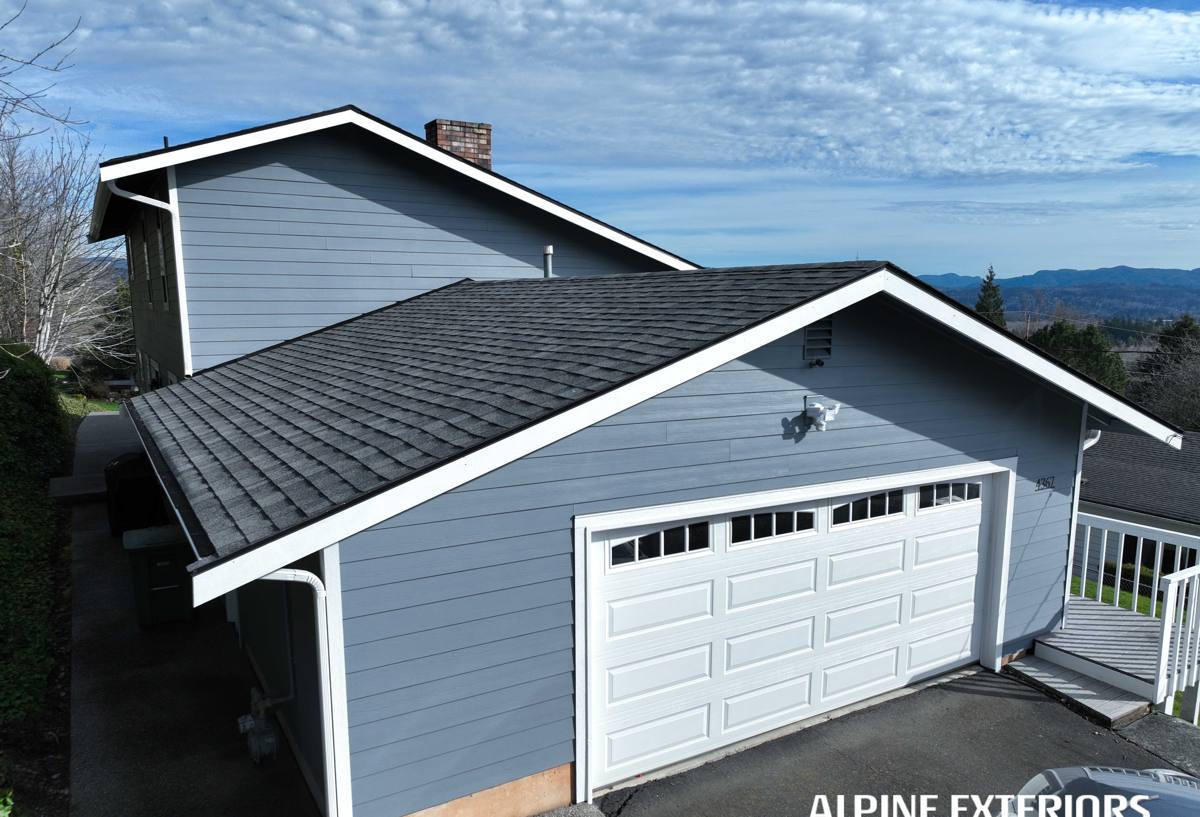
Why Storms Hit Silver Beach Roofs Differently
Wind-Driven Rain and Uplift
Whatcom County storms rarely come straight down. Wind pushes rain sideways and up under shingle edges, ridge caps, and flashing that was never designed to shed water from that angle. A roof can look fine from the ground after a storm and still have water working its way under the roofing material at every seam the wind found. That's why we never treat "no visible hole" as "no damage" — we check the vulnerable points first: ridges, valleys, pipe boots, and any place two roof planes meet.
Moss, Shade, and a Long Wet Season
Bellingham's moss season runs long, and shaded, tree-lined streets like the ones common around Silver Beach keep roofs damp well after the rest of the region has dried out. Moss holds moisture against the roofing surface, lifts shingle edges as it grows, and speeds up granule loss. A storm that would cause minor, cosmetic damage on a clean, dry roof can tear loose material that moss has already weakened. When we're called out after a storm, we're often looking at storm damage layered on top of moss damage that had been building for months — and a repair that only addresses the storm event and ignores the moss will fail again within a season or two.
Regional Moisture and Marine Air
Even away from the immediate waterfront, the broader Bellingham area sits close enough to the water that homes deal with persistent marine moisture — humid air that keeps roofing materials from fully drying between storms and accelerates corrosion on exposed metal flashing and fasteners. It's a slower kind of damage than a windstorm, but it's part of why we spec corrosion-resistant materials on repairs in this area rather than whatever happens to be cheapest.
Signs Your Roof Has Storm Damage
Some storm damage is obvious. A lot of it isn't — especially from ground level. Here's what we tell Silver Beach homeowners to watch for after any significant wind or rain event:
- Shingles that look curled, cracked, or missing granules, especially on the side of the roof the wind hit
- Ridge cap shingles that are cracked or lifted, even slightly
- Debris — branches, needles, moss clumps — piled in valleys where water is supposed to flow freely
- Gutters pulling away from the fascia, sagging, or overflowing during rain
- New or worsening stains on interior ceilings, especially near chimneys, skylights, or exterior walls
- Soft or spongy spots when walking the roof (a licensed inspector should check this, not the homeowner)
- Flashing around chimneys, vents, or skylights that looks bent, separated, or rusted
- A musty smell in the attic, which often shows up before any visible ceiling stain does
If you notice any of these after a storm, the roof should be inspected before the next round of rain, not after. A small, addressable repair today is a much smaller job than the same leak after three more storms have widened it.
What a Correct Storm Damage Repair Actually Involves
Storm repair isn't one job — it's a category, and the right approach depends on how much of the roof was affected and how the roof was holding up before the storm hit. We break it down into three tiers, and we tell homeowners honestly which one they're looking at rather than defaulting to whichever is most profitable for us.
| Repair Type | What It Covers | Best For |
|---|---|---|
| Spot Repair | Replacing individual shingles, resealing a flashing point, or fixing a single damaged section | Isolated damage on a roof that was otherwise in good condition before the storm |
| Section Repair | Tearing off and rebuilding a full slope or section, including underlayment, where damage or prior wear is concentrated | Storm damage layered on an aging roof, or damage that spans a full plane |
| Full Assessment for Replacement | Full roof evaluation to determine if repair cost approaches replacement cost, or if the roof is near the end of its service life anyway | Roofs already close to 20+ years old, or with widespread moss and granule loss found during inspection |
We walk every roof before quoting, because guessing the tier from a photo or a phone description is how homeowners end up either overpaying for a full section rebuild they didn't need, or underpaying for a spot fix that leaves the real problem — usually saturated underlayment or hidden rot — untouched.
Our Storm Damage Repair Process
- Inspection. We walk the full roof, not just the reported damage area, checking flashing, ridges, valleys, and attic access points for signs of water intrusion.
- Documentation. We record what we find with clear notes and photos — useful for your own records and for an insurance claim if you're filing one.
- Honest scope and quote. You get a written explanation of what's damaged, what's just worn, and what actually needs to happen — spot repair, section repair, or a replacement conversation.
- Repair. We remove and replace damaged material down to sound decking, install proper underlayment and flashing at every seam we touch, and match materials to what's already on the roof where possible.
- Cleanup and final check. Debris and old material are cleared, and we do a final walk to confirm the repair area sheds water correctly before we call the job done.
Materials We Use and Why
| Component | What We Use | Why It Matters Here |
|---|---|---|
| Underlayment | Synthetic, water-resistant underlayment rather than old-style felt | Holds up better through Whatcom County's extended wet season and doesn't degrade as quickly under sustained moisture |
| Flashing | Corrosion-resistant metal, properly lapped and sealed | Marine air and long wet stretches accelerate corrosion on lower-grade or poorly installed flashing |
| Fasteners | Corrosion-resistant nails sized and placed to manufacturer spec | Under-driven or over-driven fasteners are a common hidden cause of "mystery" leaks after storms |
| Shingles or roofing material | Matched to existing roof where age and availability allow | Mismatched materials can create uneven wear and voided warranty coverage on the surrounding roof |
Moss Prevention as Part of the Repair
Because moss is such a persistent factor on shaded Silver Beach lots, we don't consider a storm repair finished if we leave active moss growth untreated right next to it. As part of a repair, that typically means clearing moss and debris from the affected area and valleys, and talking through longer-term options like zinc or copper strip installation along the ridge, which discourages regrowth over time as rain washes trace metal down the roof face. We're straightforward about this: strips reduce future moss, they don't eliminate the need for periodic roof cleaning on a heavily shaded lot.
Insurance and Storm Claims
Many storm repairs in this area are at least partially covered by homeowners insurance, particularly when the damage traces to a specific wind or rain event rather than gradual wear. A few things are worth knowing going in:
- Insurers generally want documentation of the damage close to when it happened — this is part of why prompt inspection after a storm matters
- Photos and a written inspection report from a contractor carry more weight than a homeowner's own description of the damage
- Pre-existing wear, like moss damage that predates the storm, is often treated differently than storm-caused damage, so an honest assessment protects you from a denied claim later
- We can provide documentation to support a claim, but the claim itself is between you and your insurer — we won't inflate a scope of work to chase a bigger payout
Why Local Storm Repair Experience Matters
A roofing crew that regularly works Silver Beach and the surrounding Bellingham neighborhoods knows the pattern these storms leave behind — which slopes tend to take the worst wind exposure, how far moss has usually progressed on a shaded lot before it becomes a real problem, and which older flashing details common in this area tend to fail first. That local pattern recognition shortens the inspection, sharpens the quote, and means fewer surprises once the repair is underway. It also means we're a known, findable crew if a follow-up question comes up months later — not a storm-chasing outfit that worked the neighborhood for a week after a big blow and then moved on.
Simple Maintenance That Reduces Storm Damage
A few habits between storms meaningfully reduce how much damage the next one causes:
- Keep gutters and downspouts clear so storm water has somewhere to go instead of backing up under roofing material
- Trim back branches overhanging the roof, which reduces both physical impact damage and the shade that feeds moss growth
- Schedule a roof check after any major windstorm, even if nothing looks wrong from the ground
- Address small issues — a lifted shingle corner, minor moss patches — before the next storm finds them
If a recent storm has you wondering about your roof's condition, we're glad to take a look. Fill out the form below for a free, no-pressure estimate — we'll tell you honestly what we find, whether that's a small spot repair or something more, and what it would take to fix it right.