 Bellingham Siding
 Building Decks for Sudden Valley's Particular Conditions
Sudden Valley sits in a part of Whatcom County where the weather doesn't ease up on outdoor structures. Homes here deal with a long, wet season, heavy tree cover on many lots, and the kind of humidity that keeps wood surfaces damp long after a storm has passed. A deck built the same way you'd build one in a drier climate simply won't hold up the same way out here. The framing, the fasteners, the spacing between boards, and even the direction a deck faces all matter more in this neighborhood than they would somewhere with a shorter rainy season.
We build and repair custom decks for homeowners throughout Bellingham and the surrounding Whatcom County communities, including Sudden Valley, and the lessons we've learned from this specific climate shape every deck we put up. This page walks through what that actually means in practice — not marketing language, just the real factors that determine whether a deck lasts twelve years or thirty.
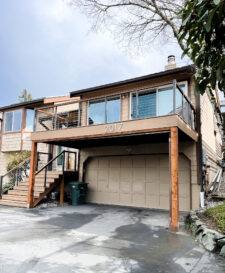
What the Regional Climate Does to a Poorly Built Deck
Bellingham and Whatcom County sit in a marine-influenced climate, with salt air moving in off the bay, driving rain through the fall and winter, and a moss season that can stretch for months on shaded or wooded lots. None of that is unusual for this region, but it adds up fast on an exterior structure that's exposed to it year-round.
On a deck, the damage shows up in predictable places if the build wasn't done right:
- Ledger board rot where the deck attaches to the house, if flashing was skipped or installed incorrectly
- Trapped moisture between boards spaced too tightly, which keeps wood wet long after rain stops
- Moss and algae buildup on shaded surfaces, which holds moisture against the wood and makes the deck surface slick
- Corroded fasteners when standard hardware is used instead of coated or stainless fasteners rated for wet, sometimes salt-tinged air
- Warped or cupped boards from repeated wet-dry cycling, especially with lower-grade lumber
Every one of these is preventable. They're not signs that decks "just wear out" in this climate — they're signs of shortcuts taken during the original build.
Choosing the Right Decking Material for a Wooded, Wet Lot
There's no single "best" decking material for every property — it depends on how much shade your lot gets, how much maintenance you want to do, and your budget. What we can tell you honestly is how each common option actually performs once it's been through a few Whatcom County winters.
| Material | How It Handles This Climate | Maintenance | Typical Lifespan Here |
|---|---|---|---|
| Pressure-treated wood | Good if properly sealed and re-sealed; needs airflow underneath to avoid trapped moisture | Annual cleaning, re-sealing every 1-2 years | 15-20 years with upkeep |
| Cedar | Naturally rot- and insect-resistant, but still needs sealing to fight moss and graying | Cleaning and sealing every 1-2 years | 20-25 years with upkeep |
| Composite decking | Handles moisture well, resists rot, but can still grow moss/algae film in heavy shade and needs periodic washing | Occasional washing, no sealing required | 25-30+ years |
| PVC decking | Fully moisture-resistant, best option for consistently shaded or damp areas | Occasional washing | 30+ years |
On heavily wooded Sudden Valley lots with a lot of shade, we lean toward recommending composite or PVC for anyone who wants to minimize the moss-and-algae battle. For homeowners who prefer the look and feel of real wood and are willing to keep up with sealing, cedar is a solid choice — it's just an honest tradeoff between appearance, cost, and maintenance time.
A Note on Board Spacing
Regardless of material, gap spacing between boards is one of the most overlooked details on a deck build. Too tight, and water and debris sit on the surface instead of draining through. Too wide, and you lose structural feel and create a tripping hazard for narrow heels or dropped items. We set spacing based on the specific material's expansion characteristics and the amount of rainfall the deck will see — not a one-size-fits-all number.
Framing and Structural Details That Actually Matter Here
The decking boards are what you see, but the framing underneath is what determines how long the whole structure lasts. In a climate with this much sustained moisture, a few framing choices make an outsized difference:
Ledger Board Flashing
The ledger board — where the deck bolts to the house — is the single most common failure point on decks in wet climates. Without proper flashing and a moisture barrier between the ledger and the house sheathing, water works its way behind the board and rots both the ledger and the wall framing behind it. This is invisible from the outside until the damage is severe, which is exactly why it has to be done right the first time.
Joist Protection
Joists that sit exposed to standing water — especially cut ends — rot from the inside out faster than any other framing member. We flash or cap joists, particularly at cut ends, to keep water from wicking into the exposed wood grain.
Post Footings and Drainage
On sloped or wooded lots, water doesn't always drain the way you'd expect. Footings need to be set below frost depth and positioned so water sheds away from the post base rather than pooling around it. On lots with heavier tree cover and slower-draining soil, we pay extra attention to grading around footings during the build.
Fastener Selection
Standard galvanized screws corrode faster in this region's humidity and salt-tinged air than most homeowners expect. We use stainless steel or high-grade coated fasteners rated for coastal and marine-influenced climates, which costs more upfront but avoids the rust streaks and loosening hardware that show up on lower-grade builds within a few years.
Drainage and Moisture Management Below the Deck
A deck isn't just what's on top — what happens underneath matters just as much, especially for decks attached to the house or built low to the ground. Poor airflow under a deck traps humidity against the framing and accelerates rot, even on treated lumber. For decks that also serve as a roof over a patio or walkout basement door, we install proper under-deck drainage systems so water doesn't just fall through the gaps onto whatever's below.
On wooded lots, we also think about how tree cover affects drying time. A deck in full shade under mature trees stays damp far longer after rain than one in open sun, which affects everything from board spacing decisions to how often we'd recommend cleaning and treating the surface.
Our Process, Start to Finish
We keep the process straightforward and transparent, from the first conversation to the final walkthrough:
- On-site assessment — We look at your lot's sun exposure, tree cover, drainage, and the condition of any existing structure before recommending anything.
- Material and design discussion — We walk through material options honestly, including the maintenance tradeoffs of each, so you're choosing based on real information rather than a sales pitch.
- Written estimate — Clear scope, materials, and pricing before any work begins. No surprise change orders for things we should have caught during the assessment.
- Permitting — We handle the permit process where required so you don't have to navigate it yourself.
- Build — Proper flashing, framing, fastener selection, and drainage details handled correctly the first time, not shortcuts hidden under finished decking.
- Final walkthrough — We go over the finished deck with you, including basic care guidance specific to the material you chose.
Maintenance Checklist for Sudden Valley Deck Owners
Even a well-built deck needs some seasonal attention in this climate. Here's what we recommend homeowners stay on top of:
- Clear leaves, needles, and debris from between boards regularly, especially in fall
- Wash down the surface at least once or twice a year to remove moss, algae, and pollen film
- Check and clear gutters and downspouts that drain near or onto the deck
- Inspect fasteners annually for rust, looseness, or popped screws
- Re-seal wood decking on the schedule appropriate to the product (typically every 1-2 years)
- Check the ledger board area and any flashing for signs of water staining or soft wood
- Trim back overhanging branches to reduce shade and debris buildup where practical
- Watch for slick, mossy patches in shaded corners and treat them before they become a fall hazard
None of this requires a professional visit every time — most of it is basic upkeep. But catching a small issue like a loosening fastener or a damp ledger area early is the difference between a quick fix and a much larger repair.
Permits and Local Considerations
Deck projects in and around Bellingham typically require a permit once they exceed a certain height or size, and homes within a managed community may also have design or setback guidelines to follow. We handle the permitting side of new deck builds and larger repairs so you're not left figuring out requirements on your own, and we build to code rather than treating permit requirements as optional paperwork.
Repair, Rebuild, or Start Fresh?
Not every aging deck needs to be torn out. If the framing and footings are sound but the surface boards are failing, a resurface can extend the life of a structurally solid deck at a fraction of the cost of a full rebuild. If the ledger board, joists, or footings show rot or movement, though, patching the surface just hides a structural problem rather than fixing it. Part of our on-site assessment is giving you an honest answer about which situation you're actually in, rather than defaulting to whichever option costs more.
Why Local Build Experience Matters
A deck built by a crew that hasn't worked much in Whatcom County's wet, wooded conditions can look fine on the day it's finished and still develop the same rot and moss problems within a few years — because the details that matter here (flashing, fastener grade, board spacing, drainage under the structure) aren't obvious unless you've seen what this climate actually does to a deck over time. We've built and repaired decks across Bellingham and nearby communities long enough to know which shortcuts cause problems down the road, and we build to avoid them from the start rather than fixing them later.
If you're planning a new deck, replacing an aging one, or just want an honest read on the condition of what you already have, we're glad to take a look. Fill out the form below for a free, no-pressure estimate.