 Bellingham Siding
 Siding Repair in Sunnyland: What This Neighborhood's Homes Are Up Against
Sunnyland is one of Bellingham's older, established neighborhoods, which means a lot of its homes are carrying siding that's decades into its service life. Add in Whatcom County's marine climate — salt-tinged air moving in off Bellingham Bay, long stretches of driving rain through fall and winter, and a moss season that can run most of the year on shaded north- and west-facing walls — and siding here ages differently than it does in drier inland parts of Washington. A repair job that ignores those conditions tends to fail again within a season or two. One that accounts for them can add years of service life to a wall system that's otherwise sound.
This page is about siding repair specifically — not full replacement — for homes in and around Sunnyland. If your siding has isolated damage but the rest of the wall is doing its job, a well-executed repair is usually the right call. The trick is knowing which repairs are truly isolated and which are a symptom of a bigger moisture problem underneath.
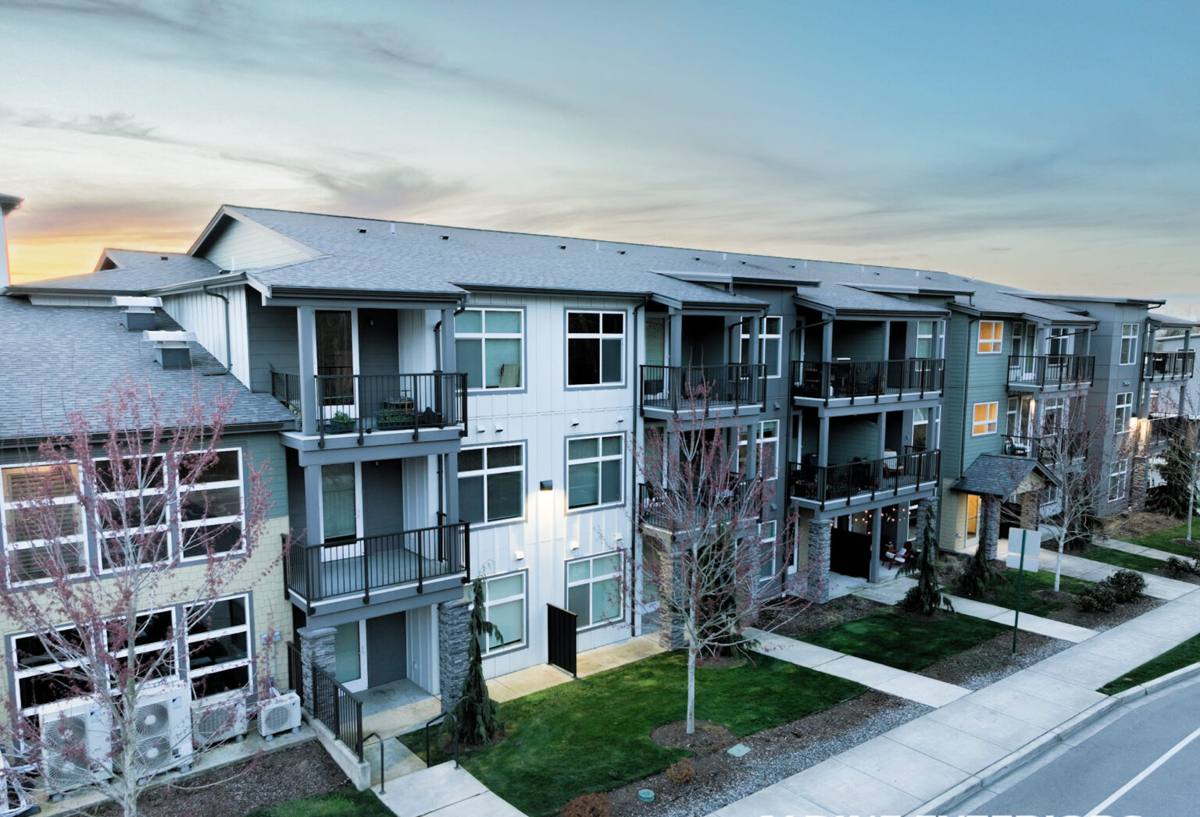
How Bellingham's Climate Shows Up in Siding Damage
Salt Air and Fastener Corrosion
Homes closer to the water deal with airborne salt that accelerates corrosion on exposed fasteners, flashing, and any metal trim tied into the siding system. Rusted nail heads bleeding through paint, streaking stains below fastener lines, and loosening panels are common early signs. This is a slow, steady process — it doesn't announce itself until paint starts to fail or a panel starts to work loose in wind.
Driving Rain and Wind-Driven Moisture
Bellingham doesn't just get rain — a lot of it arrives sideways off Bellingham Bay and the Strait, driven by wind that pushes water into laps, seams, and butt joints that would stay dry in a calmer climate. Siding that was installed with tight or improperly caulked joints, or without correct lap overlap, lets that wind-driven moisture behind the cladding. Once water gets behind siding, it's the sheathing and framing that pay the price, not just the siding face.
Moss, Algae, and Prolonged Dampness
Shaded walls, tree cover, and the region's long damp stretches give moss and algae plenty of time to take hold. Beyond the cosmetic issue, moss holds moisture against the siding surface for extended periods, which is hard on any material that isn't dimensionally stable when wet. It also tends to establish first in the same low, shaded spots — behind shrubs, under eaves without much overhang, along ground-contact trim — which is exactly where we start when we walk a Sunnyland property.
Signs Your Sunnyland Home Needs a Siding Repair
- Soft or spongy spots when you press on the siding, especially near the bottom courses or below windows
- Visible cracking, splitting, or buckling in individual boards or panels
- Paint that's peeling, bubbling, or failing in a specific area rather than uniformly across the wall
- Dark staining or streaking running down from a seam, corner, or fastener
- Persistent moss or algae growth that keeps coming back after cleaning
- Gaps opening up at butt joints, corner boards, or trim where caulking has failed
- A musty smell or visible staining on the interior wall opposite a suspect section of siding
- Woodpecker damage or insect activity in older wood-based siding
Any one of these can be a contained, fixable problem. Several of them clustered in the same area, or interior staining paired with exterior damage, usually means water has been getting behind the siding for a while and the repair needs to include an inspection of the sheathing and moisture barrier, not just the visible surface.
What a Correct Siding Repair Actually Involves
A siding repair that's done right is not just pulling off a damaged board and nailing up a new one. It's a short sequence, and skipping steps is exactly how a "repair" turns into a repeat visit a year later.
1. Diagnose Before You Patch
The damaged siding is removed carefully enough to see what's underneath — sheathing, house wrap or building paper, and flashing at any penetrations. This is the step that tells you whether you're looking at a cosmetic fix or a moisture-intrusion problem that needs to be addressed before new siding goes back on.
2. Fix the Water Management Layer First
If the weather-resistive barrier is torn, the flashing is missing or misdirecting water, or the sheathing has soft spots, that gets corrected before anything new goes up. New siding over an unresolved moisture problem just hides it for a while.
3. Match the Existing Material and Profile
Whatever is going back up needs to match the reveal, profile, and finish of the surrounding siding closely enough that the repair doesn't stand out as a patch. This is where working with a manufactured, consistent product line matters — matching a discontinued or badly weathered material is far harder than matching a current product with documented specs.
4. Correct Installation Detailing
Proper nailing pattern and fastener type, correct lap and clearance, and sealed joints where the product calls for sealant — done to the manufacturer's installation instructions, not just "close enough." This is what determines whether the repair holds up through the next few winters of driving rain.
5. Finish and Blend
Caulking, touch-up paint or factory-finish color matching, and a final check that the repaired section sheds water the same way the rest of the wall does.
Repair or Replace? How We Help You Decide
| Factor | Leans Toward Repair | Leans Toward Replacement |
|---|---|---|
| Extent of damage | Isolated to one or two areas | Spread across multiple walls or elevations |
| Underlying sheathing | Sound once exposed | Soft, rotted, or repeatedly compromised |
| Age of existing siding | Mid-life, otherwise performing well | Near or past expected service life |
| Material availability | Current product line, matchable | Discontinued or badly faded, hard to blend |
| Cause of damage | One-time event (impact, isolated flashing failure) | Systemic moisture or installation issue |
We won't push a full replacement when a targeted repair genuinely solves the problem — but we also won't patch over damage that's clearly going to resurface a few feet away next season. We'll tell you honestly which situation you're in and why.
Why We Only Repair and Install with James Hardie Fiber Cement
When a repair calls for new material, we use James Hardie fiber cement — it's the only siding product we install, on repairs or full jobs. A few reasons that matters specifically for a repair:
- Non-combustible material that doesn't add fuel load to a wall assembly, which matters for insurance and long-term risk regardless of climate
- ColorPlus factory finish gives us a consistent, documented color to match against when we're blending a repair into existing Hardie siding, rather than guessing at a field-mixed paint match
- HZ5 climate-engineered formulation is built for the Pacific Northwest's wet, mixed-humidity conditions rather than a generic national spec
- Dimensional stability — fiber cement doesn't swell, cup, or crack the way wood-based products can when moss and prolonged dampness hold moisture against the surface
- A strong transferable warranty that stays meaningful because the material and finish are consistent and well documented
We don't install LP SmartSide, vinyl, Cemplank, Allura, or primed wood siding, and that applies to repair work too. If your existing siding is one of those materials, we'll say so plainly, explain what a repair on that material realistically looks like, and give you our honest read on whether patching it or transitioning that section to Hardie is the smarter long-term move.
Our Repair Process for Sunnyland Homes
- On-site inspection — we walk the affected area and the rest of the exterior, since damage in one spot often has a related, less obvious issue nearby
- Honest diagnosis — we tell you what we find, including whether it's a simple patch or points to something bigger
- Written scope and estimate — clear about what's being repaired, what material is used, and why
- Correct repair, not a shortcut — water management layer addressed first, then siding matched and installed to spec
- Final walkthrough — we show you the completed work and explain what to watch for going forward
Because we work regularly in Bellingham neighborhoods with the same climate exposure as Sunnyland, we're not guessing at how salt air, wind-driven rain, and moss behave on a wall here — we see it repeatedly and know what a durable repair needs to hold up to it.
Why Local Experience Matters for a Repair Like This
A contractor who mostly works in drier climates will diagnose Sunnyland's siding problems differently than one who works Whatcom County walls every week. Local experience means recognizing moss-driven moisture patterns before they become structural, knowing which corner and trim details tend to fail first under sideways rain, and understanding how salt exposure changes fastener selection near the water. It also means we're a known, reachable local crew if a repaired section needs a follow-up look — not a company that did one job and moved on to the next region.
If you're noticing damage, staining, or persistent moss on your siding in Sunnyland, we're happy to come take a look. A free, no-pressure estimate gives you an honest read on whether you're looking at a straightforward repair or something that needs a closer look — either way, you'll know what you're dealing with. Use the form below to get started.