 Bellingham Siding
 Windows Built for the Puget Side of Bellingham
Homes in the Puget area sit close enough to the water and open air that windows take a different kind of beating than they would a few miles inland. Salt-laden air works on metal hardware and finishes. Wind-driven rain finds its way into gaps that would stay dry in a calmer climate. And the long gray stretch of fall through spring keeps wood trim and sills damp for weeks at a time. None of that is a reason to panic about your windows — it's just the reality of Whatcom County's marine climate, and it's exactly what a correct window replacement needs to account for.
This page is about one job, done right, in one area: replacing windows on a home in or around Puget. Not a general overview of window brands, but the practical details that matter when your house is exposed to salt air, driving rain, and months of moss and mildew pressure every year.
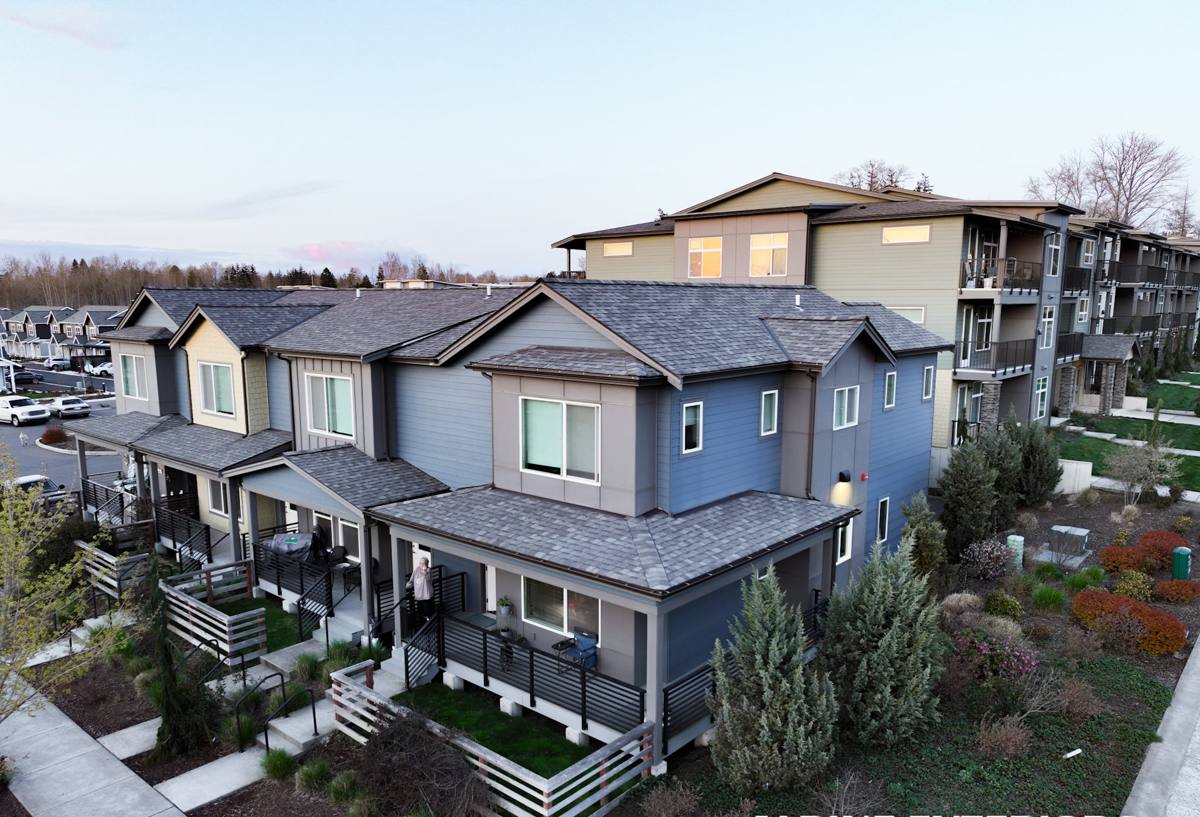
Why Windows Wear Out Faster Near the Water
Every window eventually fails in one of a few predictable ways: the seal between glass panes breaks down and lets moisture fog the glass, the frame material degrades or rots, or the weatherstripping and hardware stop doing their job. In a coastal Whatcom County microclimate like Puget, all three happen sooner than they would in a drier, calmer part of the state.
- Salt air accelerates corrosion on window hardware — hinges, cranks, locks, and screws — especially on lower-quality or unprotected metal components.
- Driving rain, pushed sideways by wind off the water, tests flashing and seals in ways that vertical rain never does. A window that's fine in a light drizzle can leak in a windstorm if it wasn't detailed correctly.
- Extended damp seasons keep wood sills, jambs, and trim wet longer, which is what actually causes rot — it's rarely a single storm, it's weeks of moisture that never fully dries.
- Moss and mildew growth on and around window trim holds moisture against the wood and finish, slowly breaking both down even when the window itself is otherwise sound.
None of this means windows near Puget need to be exotic or overbuilt. It means the material choices, the flashing details, and the installation sequence all need to match the actual exposure the house sees — not a generic install done the same way it would be done in a dry inland climate.
Signs a Puget-Area Home Needs Window Replacement
Most homeowners don't think about their windows until something is obviously wrong, but there are earlier signals worth acting on:
- Fogging or a milky haze between panes of double-pane glass — the seal has failed and the insulating gas or dead air space is gone.
- Drafts you can feel near the frame on windy days, especially during a storm coming off the water.
- Soft, spongy, or discolored wood at the sill or lower corners of the frame.
- Windows that are difficult to open, close, or lock — often a sign the frame has swollen, warped, or shifted.
- Visible moss, algae, or persistent black streaking on trim and sills that keeps coming back no matter how often it's cleaned.
- Noticeably higher heating bills in winter without any other explanation.
Any one of these can be a minor fix. Several together, or a home with the original single-pane or early-generation double-pane windows, usually means replacement is the more honest recommendation than another round of caulk and patch.
What a Correct Installation Actually Involves
Flashing and Water Management Come First
The window unit itself gets most of the attention, but the flashing details around it are what actually keep a home dry through a driving rainstorm. That means proper head flashing above the window, side flashing that overlaps correctly with the water-resistive barrier, and a sill pan that gives any water that does get past the exterior a way to drain back out instead of soaking into the framing. Skipping or rushing this step is the single most common cause of hidden rot behind window frames — and it's invisible from the outside until the damage is already done.
Sealing and Insulation
Gaps between the new window frame and the rough opening need to be sealed and insulated correctly — not overfilled with expanding foam, which can bow the frame, and not left with unsealed gaps, which invite drafts and moisture. Low-expansion foam or backer rod and sealant, applied correctly, keeps the window performing the way it's rated to.
Hardware and Finish Selection
Given the salt air exposure common to homes near Puget, hardware finish matters more here than it would inland. Corrosion-resistant hardware and finishes hold up noticeably better over time than budget-grade components, and it's worth confirming what's actually specified before installation, not assumed.
Choosing a Frame Material for This Exposure
There's no single "best" window frame material for every home — it depends on budget, the home's age and style, and how much long-term maintenance you're willing to take on. Here's how the common options generally compare for a coastal Whatcom County home:
| Frame Material | Moisture & Salt Air Behavior | Maintenance | Typical Cost Position |
|---|---|---|---|
| Vinyl | Won't rot or corrode; performs well in damp, salty air | Low — occasional cleaning | Lower to mid |
| Fiberglass | Very stable in temperature swings and moisture; strong long-term durability | Low | Mid to higher |
| Wood (unclad) | Attractive but vulnerable to rot without diligent upkeep in a wet climate | High — regular painting/sealing | Mid to higher |
| Wood-clad (exterior vinyl/aluminum, wood interior) | Good exterior moisture resistance with a traditional interior look | Moderate | Higher |
For most homes in this area, vinyl or fiberglass frames offer the best balance of moisture resistance and low upkeep. We'll still install wood or wood-clad windows when that's the right call for a home's style or a homeowner's preference — we just make sure you understand the maintenance commitment that comes with it before you decide, rather than after.
Energy Performance in a Marine Climate
Bellingham's climate doesn't hit the temperature extremes some other regions do, but the persistent damp and wind still matter for comfort and heating costs. Two ratings are worth understanding when comparing window options:
- U-factor measures how well a window resists heat loss — lower is better for keeping heat in during our cool, wet winters.
- Solar Heat Gain Coefficient (SHGC) measures how much solar heat passes through the glass — less critical here than in sunnier climates, but still worth factoring in for rooms with significant western or southern exposure.
Double-pane windows with a Low-E coating and an argon or krypton gas fill are the standard choice for this climate — they strike a reasonable balance between performance and cost without requiring specialty glazing.
Moss, Mildew, and Long-Term Care
Even a well-installed window needs a little help from routine upkeep in this climate. A few habits go a long way:
- Rinse pollen, salt residue, and grime off frames and glass a couple of times a year.
- Keep gutters and downspouts clear so water isn't sheeting down over window heads during storms.
- Trim back vegetation that shades window trim and keeps it damp longer than it should be.
- Check exterior caulking annually and touch it up before gaps open up, not after.
- Address any moss or algae on trim promptly — it holds moisture against the material and accelerates wear.
None of this is unique to Puget, but it matters more here than it would in a drier climate, simply because the window has less time each year to fully dry out between rain events.
Our Process, From Estimate to Cleanup
- On-site assessment — we look at your existing windows, framing condition, and any signs of moisture intrusion before recommending anything.
- Straightforward proposal — clear scope, materials, and pricing, with options explained honestly rather than upsold.
- Careful removal — old units come out with attention to protecting the surrounding siding, trim, and interior finishes.
- Inspect and repair the opening — any hidden rot or water damage found during removal gets addressed before the new window goes in, not covered up.
- Correct installation — proper flashing, sealing, and insulation sequence, every time, regardless of how small the job is.
- Walkthrough and cleanup — we confirm everything operates correctly and leave the work area clean.
What to Ask Before You Hire
Whatcom County has no shortage of window installers, but not all of them detail flashing and sealing the same way. Before hiring anyone for a window replacement near Puget, it's worth asking:
- Do you install a sill pan and proper head/side flashing on every window, or only "when needed"?
- Are you licensed and insured to work in Washington State, and can you provide proof?
- What happens if you find rot or water damage once the old window is out?
- What's the warranty on both the window product and your installation labor — are they the same thing or separate?
- Can you explain, in plain terms, why you'd recommend one frame material over another for this specific house?
A contractor who answers these clearly and without hedging is generally one worth trusting with the job.
Why Local Experience With Puget Homes Matters
A crew that regularly works in and around Puget already knows how this specific stretch of coastline behaves — which wall orientations take the worst of the driving rain, how quickly moss establishes itself on north-facing trim, and where salt air tends to do the most damage to hardware first. That's not something you get from a general install checklist; it comes from doing this work, on homes like yours, in this exact climate, over and over. It shows up in the small decisions — flashing laps, sealant choice, hardware finish — that determine whether a window replacement holds up for twenty years or starts causing problems in five.
If your windows near Puget are fogging, drafty, sticking, or just showing their age, we're happy to take a look and walk you through honest options — no pressure, no upsell, just a clear picture of what your home needs. Fill out the form below for a free estimate.