 Bellingham Siding
 Window Replacement in York: Built for This Neighborhood's Weather
York is one of Bellingham's older, established neighborhoods, and the windows in a lot of its homes are original or close to it. That's not automatically a problem — older windows were often built with solid materials — but decades of Whatcom County weather eventually catch up with any window. Salt air drifting in off Bellingham Bay, driving rain that hits siding sideways for months at a time, and a moss season that seems to stretch longer every year all put steady pressure on glazing, frames, and seals. Window replacement here isn't a cosmetic upgrade project. It's about keeping water out of wall cavities and keeping heat in during the wet, gray stretch of the year that defines a Pacific Northwest winter.
We treat window replacement in York as a local service, not a generic one. The right approach depends on how a specific home is oriented, how exposed it is to wind-driven rain, and what condition the surrounding trim and siding are in — all things we look at in person before recommending anything.
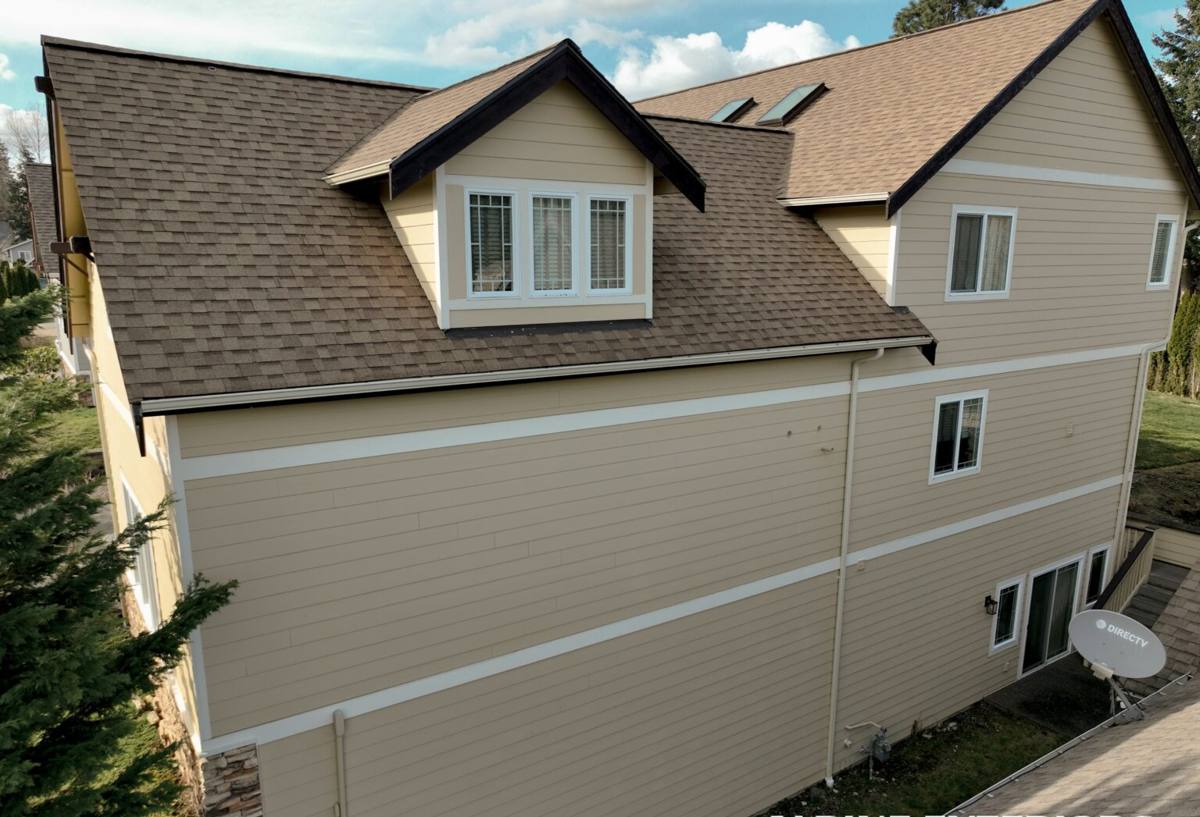
How Bellingham's Climate Actually Damages Windows
It helps to understand the mechanism, not just the symptom. A few climate factors do most of the damage here:
Salt Air and Metal Components
Homes closer to the water deal with airborne salt that accelerates corrosion on window hardware, aluminum frames, and fasteners. Over years, that shows up as pitted or seized cranks, stained frames, and hinges that stop closing tight.
Driving Rain and Wind-Driven Moisture
Bellingham doesn't just get rain — it gets rain pushed sideways by wind off the water, which finds any gap in flashing or caulking that a calmer climate would never expose. Once water gets behind a window frame, it doesn't dry out quickly in our humidity, and rot starts working from the inside where you can't see it.
Moss and Sustained Dampness
A long moss season means constant shade and moisture sitting against siding, trim, and window sills for months. Moss holds water against wood surfaces, and that sustained dampness is harder on window sills and lower sashes than a single hard storm.
None of this means windows fail overnight. It means small issues — a soft spot in a sill, a foggy double-pane seal, a sash that's started to stick — are early warnings worth acting on before they become structural.
Signs a York Home's Windows Need Attention
Most homeowners notice a problem long before they act on it. Here's what we'd flag as worth a closer look:
- Fogging or a hazy film between panes (means the seal has failed and insulating gas has escaped)
- Soft, spongy, or discolored wood at the sill or lower frame
- Windows that are hard to open, close, or lock, or that rattle in wind
- Visible gaps between the frame and siding, or cracked/missing caulk
- Noticeable drafts near the window on a windy day
- A cold room that never quite matches the rest of the house's temperature
- Moss or dark staining building up on the sill or exterior trim
- Condensation forming on the inside of the glass regularly, even with normal ventilation
Any one of these on its own might just need a repair. Several at once, especially on a home with original windows, usually points to replacement being the more practical long-term fix.
What a Correct Window Replacement Job Actually Involves
The window itself is only part of the job. Most window failures we see in this climate trace back to installation shortcuts, not the product. A correct job includes:
Proper Flashing and Water Management
Flashing tape and pans that direct water out and away from the wall, not just caulk relied on to do all the work. Caulk fails eventually; flashing done right doesn't depend on it.
Sealing the Full Rough Opening
Sealing and insulating the gap between the window frame and the rough opening so there's no air path for drafts or moisture to travel behind the siding.
Matching the Window to the Wall Assembly
Confirming the new window's depth and flange type actually fit the existing wall construction, rather than forcing a standard unit into an opening it wasn't designed for.
Trim and Siding Tie-In
Reinstalling or replacing trim so the transition between window and siding sheds water instead of trapping it — a detail that matters more here than in drier climates.
Skipping any of these steps is how a brand-new window ends up with the same rot problem five years later. We'd rather take the extra time on flashing and sealing than have a callback for water damage.
Choosing Materials for Coastal Whatcom County Conditions
There's no single "best" window material — it depends on exposure, maintenance appetite, and budget. Here's how the common options compare for a home dealing with salt air, rain, and moss:
| Material | Moisture Behavior | Maintenance | Best Fit |
|---|---|---|---|
| Vinyl | Won't rot; good seal life | Low — occasional cleaning | Budget-conscious replacement, most York homes |
| Fiberglass | Very stable in wet/humid swings | Low | Higher-exposure walls, longer-term ownership |
| Wood (clad exterior) | Good if cladding is intact; interior wood look | Moderate — watch cladding seams | Homes prioritizing a traditional interior finish |
| Aluminum | Prone to corrosion near salt air over time | Higher near the water | Generally not our first recommendation this close to the bay |
We don't install bare aluminum-frame windows near the water as a rule — it's not that the material is bad everywhere, it's that salt air shortens its service life here, and we'd rather set expectations honestly than sell something that needs early hardware replacement. Vinyl and fiberglass both hold up well and cover most budgets, which is why they're what we recommend most often in York.
Our Process, Start to Finish
The steps are the same on every job, in York or anywhere else in our service area:
- On-site assessment — we look at the actual windows, sills, and surrounding siding, not just take measurements over the phone.
- Honest recommendation — repair versus replace, and which material fits the home and the budget, explained in plain terms.
- Written estimate — clear pricing with no vague allowances buried in the fine print.
- Scheduled installation — timed around weather where possible, since installing into an open wall during a driving rainstorm isn't good practice for anyone.
- Flashing and sealing done right — the water-management details covered above, every time.
- Cleanup and walkthrough — old windows and debris hauled off, and a final check of every unit before we call the job done.
What Affects the Cost of Window Replacement
Every home is different, but the same handful of factors drive most of the price variation we see:
| Factor | Why It Matters |
|---|---|
| Number and size of windows | More units and larger openings mean more material and labor |
| Material choice | Vinyl, fiberglass, and clad-wood carry different price points |
| Condition of existing framing | Rot or water damage found during removal adds repair work |
| Access and window placement | Second-story or hard-to-reach windows take more time |
| Trim and siding tie-in needed | More extensive trim replacement adds labor |
We'd rather give a homeowner a realistic range up front, including what could change it, than a number that looks good on paper and grows once work starts. If we find hidden rot behind an old window, we'll show it to you before doing anything about it.
Why Hire a Crew That Already Works in York
Window replacement done wrong in this climate doesn't fail in a week — it fails in three to five years, quietly, behind the siding, after the crew that did it is long gone. A contractor who works regularly in Bellingham and Whatcom County has already seen how salt air, wind-driven rain, and moss-season dampness play out on real homes over time, not just on a spec sheet. That experience shapes small decisions — flashing details, material picks, how tight to seal a rough opening — that a crew unfamiliar with this coastline might not think twice about.
For York specifically, that means understanding the age and construction of the housing stock in the area and matching the replacement approach to it, rather than treating every job the same way a national franchise might.
If your windows in York are drafty, fogged, sticking, or just old enough that you're wondering, we're glad to come take a look. The estimate is free, there's no pressure to move forward, and you'll get a straight answer about whether you need replacement now or can reasonably wait — just fill out the form below to get started.