 Bellingham Siding
 Why Edgemoor Roofs Wear Differently
Edgemoor sits along the bluff above Bellingham Bay, and that location cuts both ways. The same elevation and tree cover that make it one of the more desirable pockets of Bellingham also put roofs here under a specific kind of stress you won't find on a flat inland lot. Wind off the bay drives rain sideways into eaves, valleys, and wall-roof intersections rather than letting it fall straight down and run off. Add in the mature tree canopy that shades much of the neighborhood, and you get roofs that stay damp longer after every storm — which is exactly the condition moss, lichen, and moss-related shingle wear needs to take hold.
None of this means Edgemoor roofs fail faster across the board. It means the details matter more here: how the underlayment is lapped, how the flashing is sealed, how much attic ventilation is designed in, and whether moss prevention was actually built into the job instead of left as an afterthought. A roof replacement done without accounting for salt air, driving rain, and constant shade is a roof that will look tired again well before its shingles are technically "worn out."
What Whatcom County's Marine Climate Actually Does to a Roof
Salt Air and Metal Components
Homes closer to the water deal with airborne salt that accelerates corrosion on exposed metal — flashing, fasteners, gutters, and vent stacks. Standard galvanized fasteners can start showing surface rust years before an inland roof's would. This is a material selection issue as much as an installation one; the right corrosion-resistant fasteners and flashing metals cost more up front and save you from streaking, staining, and premature flashing failure later.
Driving Rain and Wind-Driven Water
Bellingham Bay generates wind patterns that push rain at an angle instead of straight down, which means water finds its way under shingle edges, around chimney flashing, and into valleys that would shed a vertical rain just fine. Roofs here need underlayment and flashing details rated for wind-driven water, not just a base felt layer that assumes gravity is doing all the work.
Moss, Shade, and Prolonged Moisture
Tree cover keeps roof surfaces cooler and damper for longer stretches after rain, which is the single biggest driver of moss and algae growth on Whatcom County roofs. Moss isn't just cosmetic — its root structure lifts shingle edges, holds moisture against the roof deck, and shortens the usable life of even a high-quality shingle if it's left unmanaged.
What a Correct Roof Replacement Involves Here
A roof replacement in Edgemoor should go beyond stripping old shingles and nailing down new ones. Here's what we treat as non-negotiable on every tear-off in this area:
- Full tear-off to the deck — never a layover — so we can actually see the sheathing condition underneath
- Deck inspection and replacement of any rotted, delaminated, or soft sheathing before new material goes down
- Ice-and-water shield at eaves, valleys, and any low-slope transitions, not just where code minimums require it
- New flashing at every chimney, skylight, and wall-roof intersection — reused flashing is a common shortcut and a common leak source
- Balanced attic ventilation (intake at the eaves, exhaust at the ridge) sized to the actual attic, not a generic assumption
- Corrosion-resistant fasteners and flashing appropriate for a bay-adjacent, salt-air environment
- A moss-management plan built into the install — zinc or copper strips near the ridge, or a shingle product with algae-resistant granules, depending on the home
- Careful debris containment and cleanup around mature trees and landscaping that's often part of the value of an Edgemoor property
Ventilation Deserves Its Own Mention
Under-ventilated attics trap moisture, and moisture trapped under a new roof shortens its life no matter how good the shingles are. On tree-covered, shaded lots like most of Edgemoor, we pay close attention to intake-to-exhaust balance because these roofs don't get the sun exposure that helps dry things out on their own. This is one of the most skipped steps in a low-bid roof replacement, and it's one of the most consequential.
Material Options: What Actually Makes Sense for This Neighborhood
Edgemoor has a mix of older character homes and newer construction, and the right roofing material depends on the home's age, roof pitch, and how much shade and moss exposure the specific lot gets.
| Material | Typical Lifespan | Moss/Algae Resistance | Cost Position | Notes for This Area |
|---|---|---|---|---|
| Architectural asphalt shingle | 25–35 years | Good with algae-resistant granules | Moderate | Best all-around value; wide color range fits both older and newer homes |
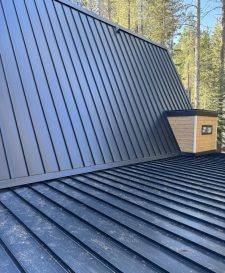
| Standing seam metal | 40–60 years | Excellent — sheds moss naturally | Higher | Sheds water fast in driving rain; needs marine-grade fasteners near the bay |
| Cedar shake | 25–30 years with upkeep | Poor without regular treatment | Higher | Traditional look some Edgemoor homes carry, but shade and moisture here mean real maintenance commitment |
| Synthetic/composite shake | 40–50 years | Good | Higher | Gets the cedar look with far less moss vulnerability — worth a look on shaded lots |
We're honest about cedar shake here: it can look great on the right home, but on a shaded, damp lot it demands a maintenance schedule most homeowners underestimate when they choose it. That's a trade-off we'll walk through with you rather than talk you out of a product you have your heart set on — you should just know what you're signing up for before we start.
Our Process for an Edgemoor Roof Replacement
- On-site inspection — we walk the roof and attic, check the deck condition where accessible, and look at how the tree canopy and slope direction affect that specific home
- Written estimate — material options, ventilation plan, and flashing scope laid out plainly, no vague allowances
- Permitting — handled through the City of Bellingham or Whatcom County depending on the property, before work starts
- Tear-off and deck repair — old material removed, deck inspected and repaired as needed, debris contained
- Underlayment, flashing, and ventilation install — the layer of work that determines whether this roof handles a wet Bellingham winter or not
- New roofing material installed to spec, including moss-prevention details
- Final walkthrough — we go over what was done and what to expect going forward
Why a Crew That Already Works Edgemoor Matters
Edgemoor's bluff-side lots, mature trees, and narrower or curving access streets aren't unusual for a crew that already works this neighborhood — but they trip up outfits that mostly work flat, open-lot subdivisions elsewhere in Whatcom County. Knowing how to stage equipment on a sloped lot, protect established landscaping during tear-off, and route debris removal without blocking a narrow street isn't something you figure out on your first job in an area — it's something you already know before you show up.
Local permitting is the other piece. Working regularly with the City of Bellingham means we know what inspectors look for and don't cause delays by guessing. That familiarity translates into a smoother project timeline, which matters more on a house you actually live in than it does on paper.
A Practical Checklist Before You Hire
- Do they specify full tear-off, or is a layover being offered as a shortcut?
- Is deck/sheathing repair addressed as a possibility in writing, not just verbally?
- Does the estimate name specific underlayment and ice-and-water shield locations?
- Is attic ventilation discussed at all, or only the shingles?
- Are corrosion-resistant fasteners specified for a bay-adjacent home?
- Is there an actual plan for moss and algae, or just a shingle color choice?
- Are they licensed, insured, and pulling the correct local permit?
- Do they have experience on shaded, sloped, or tree-covered lots like yours?
Signs an Edgemoor Roof May Be Overdue
A few things worth watching for, especially on shaded sections of the roof: visible moss or dark streaking that keeps coming back after cleaning, granules collecting in gutters, soft spots or sagging along the roofline, daylight visible through the attic decking, or interior water stains after a wind-driven storm. Any one of these is worth a look before it turns into a deck repair job on top of a roof replacement.
What This Costs
Roof replacement pricing depends on square footage, pitch, deck condition, and material choice, and honest ranges vary widely from home to home — which is why we don't quote a number without seeing the roof. What we can tell you upfront is that skipping ventilation upgrades or proper flashing to hit a lower bid usually costs more in repairs within a few years, especially in a climate that doesn't give a roof much room for error.
If your Edgemoor roof is showing moss, wear, or you just want a straight assessment of where it stands, we're happy to take a look. The estimate is free, there's no pressure, and you'll get a plain answer about what your roof actually needs — just fill out the form below to get started.