 Bellingham Siding
 Board & Batten Siding in Sehome: Built for the Weather It Actually Faces
Sehome sits close enough to Bellingham Bay to catch salt-laden air off the water, and close enough to the hills and tree cover around it to stay damp and shaded for long stretches of the year. That combination is hard on any exterior cladding, but it's especially hard on vertical board and batten siding, where the seams, battens, and butt joints create more opportunities for water to find a way in than a standard lap profile does. Homes in this part of Whatcom County deal with driving rain that comes in sideways during winter storms, and a moss season that can run from fall through spring on anything that stays shaded and wet.
Board and batten looks great on Sehome's mix of older bungalows, mid-century homes, and newer infill construction — the vertical lines read as craftsman, farmhouse, or modern depending on the trim and color choices around it. But the style only holds up long-term if it's installed with the right materials and the right details for this climate. That's the whole focus of this page: what board and batten needs to survive Bellingham's weather, what a correct installation actually involves, and why it matters that the crew doing the work already knows this neighborhood.
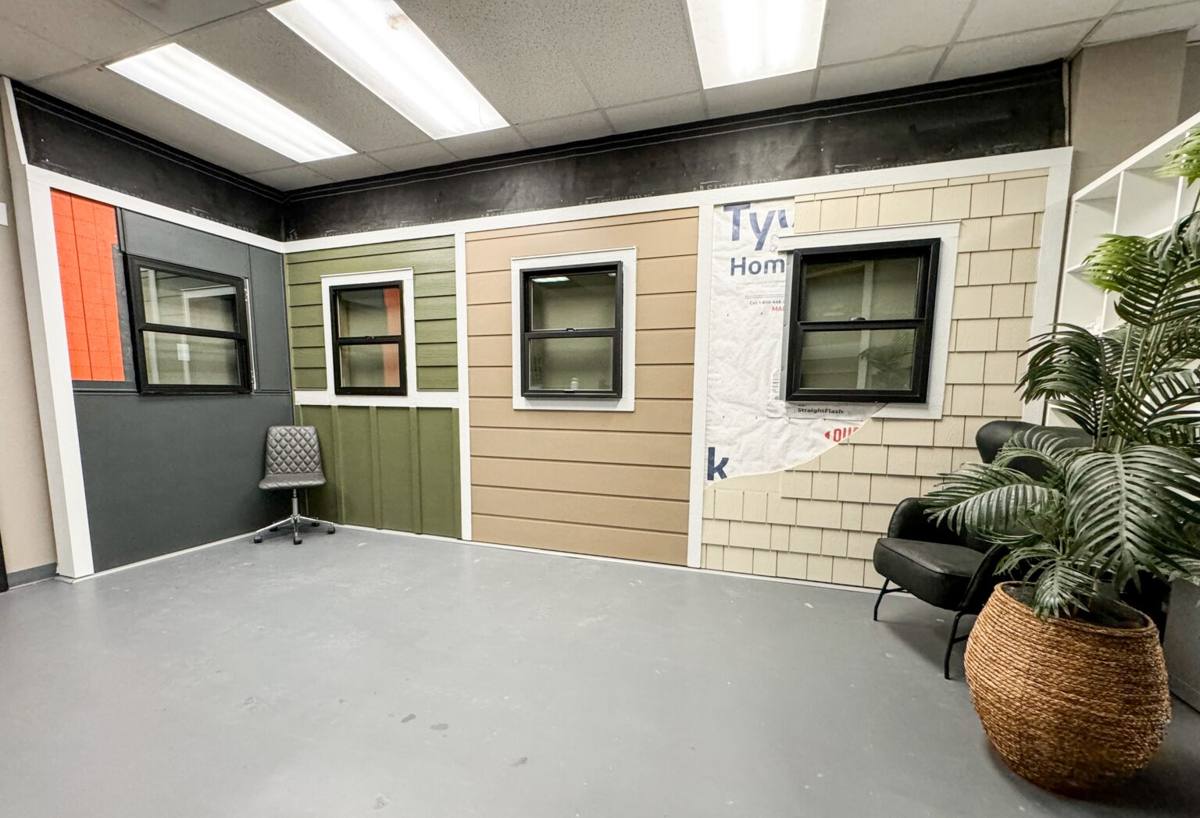
Why Board & Batten Is More Sensitive to Moisture Than Lap Siding
Traditional horizontal lap siding sheds water by design — each course overlaps the one below it, so gravity does most of the work. Board and batten runs vertically, with wide boards butted edge to edge and narrow battens covering the seams. Done correctly, it still sheds water well. Done without attention to detail, those vertical seams and horizontal butt joints (where one board ends and another begins, common on taller walls or gable ends) become the exact spots where moisture gets trapped against the wall assembly.
Where Sehome's Climate Adds Pressure
Salt air accelerates corrosion on fasteners and metal flashing that aren't rated for coastal exposure. Wind-driven rain pushes water sideways into vertical joints that would stay dry in a calmer climate. And persistent shade and moisture — common on tree-covered and hillside lots throughout Sehome — feed moss and algae growth on any siding surface that doesn't dry out between rain events. None of these are exotic problems, but they compound if the underlying installation wasn't built to handle them.
What a Correct Board & Batten Installation Actually Requires
A board and batten job that's going to hold up in this climate isn't just about nailing boards to the wall. The details that matter most are almost all invisible once the siding is up, which is exactly why it's worth understanding them before you hire someone.
The Water-Resistive Barrier and Drainage Gap
Behind every board and batten installation should be a properly lapped weather-resistive barrier, correctly flashed at every window, door, and penetration. On top of that, a drainage gap — created with vertical furring strips — lets any water that does get behind the siding drain out and lets the wall assembly dry rather than staying saturated. Skipping this gap is one of the most common corner-cutting we see on vertical siding, and it's the single biggest factor in whether a board and batten wall stays dry over 20+ years or starts trapping moisture within the first few winters.
Fastening and Joint Details
Boards and battens both need to be fastened according to the manufacturer's nailing pattern — the wrong nail size, spacing, or placement can split fiber cement or leave fasteners exposed to weather. Butt joints between boards need to land on framing and be properly flashed or backed, not just butted together and caulked. Battens should be sized and spaced to cover the seam with room for the material to expand and contract, not glued or caulked solid, which can trap water instead of shedding it.
Caulking — Less Is Often More
Caulk has a place at specific transitions, but it's not a substitute for correct flashing and gapping. Over-caulking board and batten seams is a common shortcut that looks tidy on install day and fails within a few years, because it seals moisture in rather than letting the assembly breathe and drain as designed.
Our Process for a Sehome Board & Batten Project
- On-site assessment: we look at your current siding, wall assembly, moisture history, and how much sun/shade and wind exposure the home actually gets in its specific spot in Sehome.
- Tear-off or recover decision: most correct board and batten installs mean removing the old siding down to the sheathing so we can inspect for hidden rot and install the water-resistive barrier properly — we'll tell you honestly if your home is one of the rare cases where a recover approach is viable.
- Barrier, flashing, and furring: weather-resistive barrier, window and door flashing, and drainage furring strips go on before a single piece of siding is hung.
- Board and batten installation: boards and battens installed to manufacturer spec for fastening, spacing, and joint treatment.
- Trim, caulk, and final detailing: corners, trim boards, and the limited caulk joints that actually belong in the system.
- Walkthrough: we go over the finished work with you before we call the job done.
Board & Batten Cost and Maintenance Factors
Every board and batten quote should account for more than square footage. The table below covers the factors that most affect price and long-term upkeep on a project like this.
| Factor | Why It Matters |
|---|---|
| Full exterior vs. accent areas | Board and batten on gables or a porch accent costs less and is a common way to get the look without full-house pricing |
| Existing siding removal | Tear-off adds labor cost but is usually the only way to properly install the water-resistive barrier and drainage gap |
| Board width and reveal | Wider boards and battens change the material quantity and the visual scale of the vertical lines |
| Trim and corner complexity | Homes with more windows, dormers, or architectural detail take more trim work and time |
| Height and access | Two-story walls and steep or hillside lots — common around Sehome — require more staging and time |
| Coastal-grade fasteners and flashing | Salt air exposure calls for corrosion-resistant hardware, which affects material selection and cost |
Why We Install James Hardie Board & Batten — and Not Vinyl or LP SmartSide
We only install James Hardie fiber cement siding, and that standard applies to board and batten just as much as it does to lap siding. Vinyl board and batten is lightweight and inexpensive, but it's an engineered plastic product that expands and contracts more with temperature swings, which can telegraph through the panel joints over time, and it isn't fireproof. LP SmartSide is a wood-strand product with an engineered exterior coating — it can perform well when detailed and maintained correctly, but wood-based substrates are inherently more vulnerable to moisture intrusion at cut edges and joints than fiber cement is, which matters in a climate that stays wet and shaded for long stretches.
James Hardie board and batten is non-combustible fiber cement engineered specifically for the Pacific Northwest's moisture exposure (Hardie's HZ10 product line). It comes with a factory-applied ColorPlus finish that's baked on and sealed at the edges, rather than field-painted, which matters a great deal on a profile with as many exposed cut edges and joints as board and batten has. It carries a strong transferable warranty when installed to Hardie's specifications — which is exactly why correct installation, not just the material choice, is the other half of this page.
Signs Your Current Siding May Be Ready for Replacement
- Persistent moss or algae growth that returns within weeks of cleaning
- Soft spots, bubbling, or visible warping, especially near the bottom courses or around windows
- Paint that's peeling or failing faster than a normal repaint cycle would suggest
- Visible gaps opening up at seams, corners, or trim boards
- A musty smell or signs of moisture inside walls near exterior corners
- Siding that's more than 20-25 years old, especially if it's never been fully inspected behind the surface
Why a Local Sehome Crew Matters for This Kind of Work
Board and batten installation is detail-sensitive work, and the details that matter change depending on where a home sits. A crew that already works in Sehome and around Bellingham knows how much wind-driven rain a given orientation typically takes, how shaded and slow-drying certain lots stay through the moss season, and how salt air exposure trends as you move closer to the water. That local knowledge shapes real decisions — fastener selection, drainage detailing, and where extra attention at flashing and joints actually pays off — rather than applying a generic installation approach and hoping it holds up.
Working locally also means we're not far away if a question comes up after the job is done, and we're familiar with the permitting and inspection expectations for exterior work in Whatcom County.
Caring for Board & Batten Siding After Installation
Correctly installed Hardie board and batten is low-maintenance, but "low" doesn't mean "none," especially in this climate. A periodic rinse to knock back moss and algae before it establishes, keeping gutters clear so runoff doesn't sheet down the wall face, and trimming back vegetation that shades and dampens a wall section will all extend the life of the finish and reduce the work the siding has to do to shed water on its own.
If you're weighing board and batten for a home in Sehome, we're happy to walk the property with you, look at your current siding's condition, and talk through what a correct installation would involve for your specific lot. There's no pressure and no cost to get our honest read — just fill out the form below to schedule a free estimate.