 Bellingham Siding
 Why Roofs Near Bellingham Bay Wear Differently
Silver Beach sits close enough to the water that homes there deal with a combination most inland Whatcom County neighborhoods don't have to think about as much: salt-laden air off Bellingham Bay, wind-driven rain that hits roofs at an angle instead of falling straight down, and a moss season that can run eight or nine months out of the year under the tree cover common in this part of town. None of those three things is dramatic on its own. Together, over years, they're what actually shortens a roof's life here.
Salt air accelerates corrosion on any exposed metal — flashing, nail heads, gutter fasteners, vent caps. Driving rain finds the weak points in a roof system that would never leak in a calm, straight-down downpour, because it pushes water sideways and upward under laps and edges. And moss doesn't just look bad; it holds moisture against the roofing material and lifts shingle edges as it grows, which is how a small moss problem turns into a leak two winters later. A roof repair in this neighborhood needs to account for all three, not just patch the spot that's currently dripping.
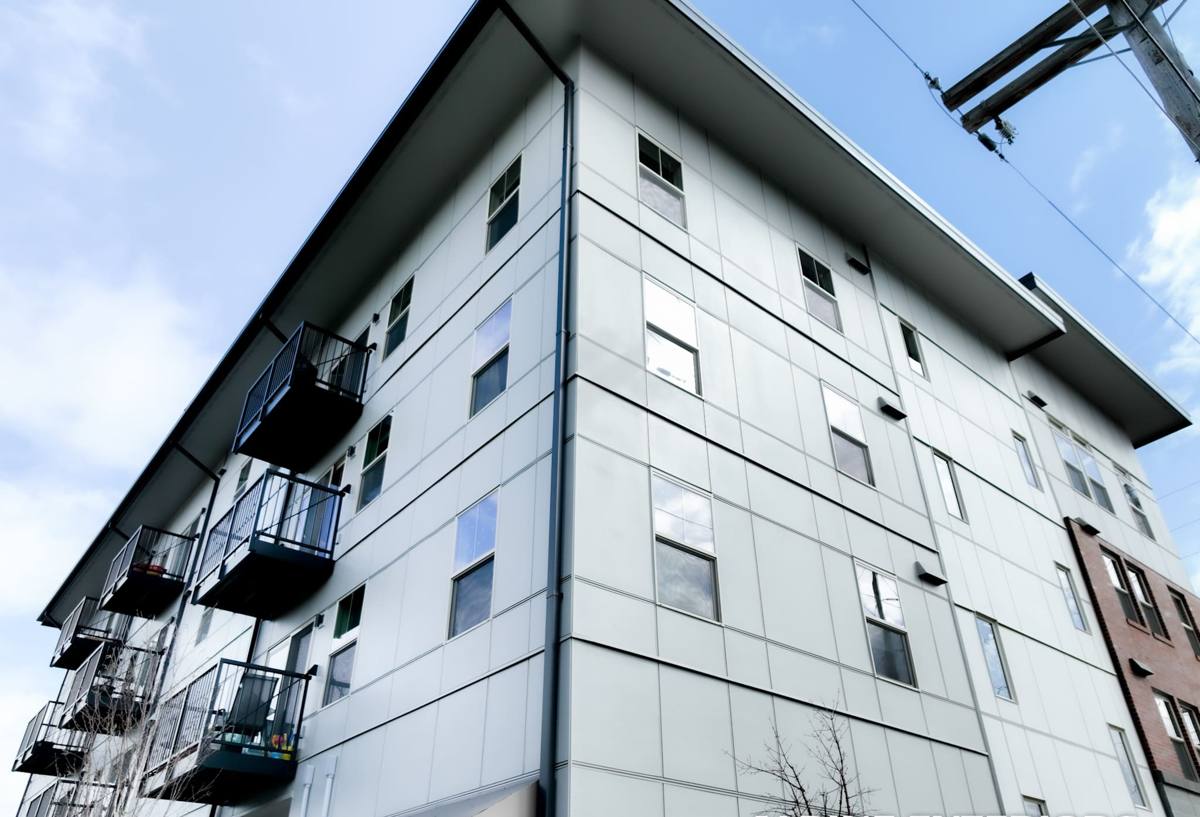
Signs Your Roof Needs Attention, Not Just a Cleaning
Homeowners often call us after noticing a stain on a ceiling, but by the time water shows up inside, the roof has usually been compromised for a while. Catching problems earlier saves money and avoids interior damage. Watch for:
- Granules collecting in gutters or at the base of downspouts (a sign asphalt shingles are wearing thin)
- Dark streaks or green-black patches on north-facing or shaded slopes — early moss and algae growth
- Curling, cupping, or cracked shingles, especially on slopes that get the most wind exposure
- Rust streaks below metal flashing or vent boots
- Daylight visible through the roof deck from inside an attic
- Soft or spongy spots when walking the roof (a sign the decking underneath has taken on moisture)
- Missing or lifted shingles after a windstorm, even if nothing looks wrong from the ground
Any one of these is worth a look. Several together usually mean the repair needs to be more thorough than a single patch.
What a Correct Roof Repair Actually Involves
Diagnosis Before Anything Gets Touched
A repair that doesn't start with finding the actual source of a leak is a repair that comes back. Water travels — it can enter at a flashing seam and show up on a ceiling ten feet away, following a rafter or a seam in the decking. We inspect the full roof plane, not just the spot where the stain appeared, and we check attic ventilation and insulation while we're up there, since poor airflow contributes to both moisture problems and premature moss growth.
Matching Materials, Not Just Covering the Hole
Patching a repair with mismatched shingles or the wrong underlayment weight is a shortcut that shows up later — either visually, as a mismatched patch, or functionally, as a repair that doesn't shed water the way the surrounding roof does. We match shingle profile, color run when possible, and underlayment type to what's already on the roof, or explain clearly when an exact match isn't available and what the honest alternative looks like.
Flashing and Underlayment Get the Same Attention as Shingles
Most leaks in this climate trace back to flashing — around chimneys, skylights, valleys, and where a roof meets a wall — rather than to the field of the roof itself. Driving rain exploits flashing that's slightly loose, under-lapped, or corroded from years of salt exposure. A proper repair reseats or replaces flashing as needed, not just the shingles around it.
Dealing with Moss the Right Way
Scraping moss off without treating the surface underneath just delays regrowth, and scraping too aggressively can strip granules or damage the shingle mat. We remove moss carefully, treat the area to slow regrowth, and — where a roof has heavy shade and persistent moss pressure — talk through longer-term options like zinc or copper strips along the ridge, which use rainwater runoff to inhibit moss over time.
Repair vs. Replacement: How We Help You Decide
| Factor | Repair Usually Makes Sense | Replacement Should Be Considered |
|---|---|---|
| Roof age | Under 15 years (asphalt) or well within a metal roof's service life | Nearing or past the material's expected lifespan |
| Extent of damage | Isolated to one section, flashing point, or slope | Widespread granule loss, curling, or moisture damage across multiple slopes |
| Decking condition | Solid, no soft spots found during inspection | Soft, delaminating, or water-stained decking in multiple areas |
| Leak history | First occurrence, clear single source | Repeated leaks in different spots over recent years |
| Material availability | Matching shingles or panels still obtainable | Discontinued product with no reasonable match |
We won't push a replacement when a repair will hold up, and we won't recommend a repair when the roof's underlying condition means you'd just be paying twice. We tell you which category your roof falls into and why, in plain terms.
Our Roof Repair Process
- Inspection and honest assessment. We walk the roof (weather permitting) and check the attic, documenting what we find.
- Written scope and estimate. You get a clear description of the repair, the materials involved, and the price before any work starts.
- Repair work. Flashing, decking, underlayment, and shingles or panels are addressed as needed — not just the visible symptom.
- Cleanup and debris removal. Old material, nails, and moss debris are cleared from the roof and the ground around the house.
- Final walkthrough. We show you what was done and what to watch for going forward, including a rough timeline for when the roof might need attention again.
Materials We Work With
Silver Beach has a mix of roof types, and repair approach differs by material.
Asphalt Shingle
Still the most common roofing material in the area, and generally the most straightforward to repair when granule loss or wind damage is isolated. The key is matching the existing shingle's weight and profile closely enough that the repair blends and performs the same as the surrounding field.
Standing Seam and Panel Metal
Metal roofs handle driving rain well when seams and fasteners are intact, but salt air is harder on exposed fasteners and cut edges over time. Repairs typically focus on fastener replacement, sealant renewal at penetrations, and correcting any panel that's come loose at a seam.
Wood Shake (Older Homes)
Some older Silver Beach homes still have cedar shake roofing. It requires more frequent maintenance in a moss-prone, damp climate, and repairs need to account for both individual shake replacement and treating the surrounding material so moss doesn't immediately reclaim the repaired area.
What Roof Repair Typically Costs, and Why It Varies
| Cost Factor | Why It Matters |
|---|---|
| Roof pitch and access | Steeper slopes and limited access (tight lots, tall trees) add labor time and safety setup |
| Extent of hidden damage | Decking or flashing damage found once shingles come off adds material and labor |
| Material match | Discontinued or specialty products can cost more or require a larger repair area |
| Number of penetrations | Chimneys, skylights, and vents each add flashing detail work |
| Moss severity | Heavy, long-standing moss growth takes more time to remove and treat properly |
Simple, isolated repairs are typically a modest cost measured in a few hundred dollars; repairs involving flashing rebuilds, decking replacement, or multiple problem areas run higher. We give you a firm number after inspection, not a phone estimate, because too much of the real cost depends on what's actually happening under the shingles.
Why Local Experience with Silver Beach Roofs Matters
A roof repair crew that regularly works in Silver Beach and the surrounding Bellingham waterfront neighborhoods already knows which slopes take the worst of the driving rain off the bay, which tree-shaded roofs tend to hold moss longest, and how salt exposure typically shows up on flashing and fasteners in this specific area. That's not something you can fully substitute with general roofing knowledge from a crew that mostly works inland. It means fewer surprises during the job and a repair that's built for the conditions your roof actually faces, not generic conditions.
It also means a crew that's easy to reach if a repair needs a follow-up look, and one with a track record other homeowners nearby can vouch for directly, not just through online reviews.
Questions to Ask Before Hiring a Roof Repair Contractor
- Will you inspect the attic and decking, or only the visible shingle surface?
- Is the estimate in writing, with materials and scope specified?
- Are you licensed and insured for roofing work in Washington?
- What's your plan if you find additional damage once the repair area is opened up?
- Do you address flashing and ventilation, or just the shingles?
- What warranty applies to the workmanship, separate from the material's manufacturer warranty?
If a contractor can't answer these clearly before work starts, that's worth noticing.
Get a Straightforward Look at Your Roof
If your Silver Beach home has a leak, moss buildup, storm damage, or you just want an honest read on where your roof stands, we're glad to take a look. The estimate is free, there's no pressure attached to it, and you'll get a clear explanation of what we find and what it would take to fix it. Fill out the form below to get started.